Hosts making several dishes
If cream might go into dessert and a savoury dish, check that the product suits both uses and that the pack covers the quantities in your recipes.


Choose standard double cream if one ingredient needs to be poured over dessert, whipped or used in cooking; check the quantities for every dish before choosing a pack. Extra-thick cream suits a spooned topping, while a prepared dessert saves assembly but cannot replace plain cream in recipes. If milk sourcing matters to you, compare the stated provenance alongside pack size and storage instructions.
If cream might go into dessert and a savoury dish, check that the product suits both uses and that the pack covers the quantities in your recipes.
If you want to add cream by the spoonful, an extra-thick format is more relevant than a cream chosen mainly for pouring.
A stated milk source may guide your choice of plain cream. If you would rather serve a finished dessert, check its portions and ingredients instead.
Decide how the cream will be served before comparing pack sizes: a topping, a multi-use ingredient and a finished dessert solve different parts of the dinner plan.
| Priority | What to check | Your needs |
|---|---|---|
| Several uses | Check whether the exact cream is described for whipping, pouring and cooking. Add up the quantities needed across your recipes. | I may pour cream over pudding and use some in a sauce, so one versatile pack could cover both. |
| Dessert texture | Choose between cream intended for spooning and cream intended for pouring or whipping. ASDA describes its Extra Thick Fresh Double Cream as suitable for spooning. | For a plated pudding, I want a spooned topping rather than cream that runs over the plate. |
| Pack size | Compare the planned recipe quantities with the pack: the cited Tom Parker cream is 250ml, Tesco and ASDA options are 300ml, and M&S lists a 600ml cream. Check the use-by date as well as the volume. | Will there be enough for everyone and for any second dish without buying more than I can use in time? |
| Milk sourcing | Look for a specific sourcing statement rather than relying on the word ‘luxury’. Waitrose describes the Tom Parker cream as made with free-range British whole milk; M&S names its Select Farms milk. | If provenance is part of my choice, I want to know what the product actually says about its milk. |
| Ready-made dessert | Check portions, ingredients, allergens and storage. A finished dessert cannot also supply plain cream for whipping or cooking. | I would prefer to serve dessert without preparing a separate topping, provided it suits the guests and the number of servings. |
| Storage and guests | Read the exact pack’s refrigeration and after-opening instructions, use-by date and allergen label. Prepared desserts can contain ingredients beyond milk. | Dinner may be a few days away, and I need to check the current label for guests who must avoid particular ingredients. |
Extra-thick texture, stated milk sourcing and a prepared dessert describe different products, not interchangeable ways to use cream.
Choose the intended use first, then compare the relevant pack size, ingredients and storage instructions.
A 250ml bottle may cover one dessert course but not several recipes requiring cream.
Add up the recipe quantities and planned servings before choosing among the available pack sizes.
ASDA Extra Thick Fresh Double Cream and Tom Parker Creamery Free Range Double Cream are both labelled unsuitable for freezing.
Check the storage panel on the cream you buy rather than applying another product’s instructions to it.
Plain dairy cream contains milk. Waitrose No.1 Mascarpone & Sicilian Lemon Ice Cream contains milk and egg and may contain peanuts and nuts.
Check the current label and discuss ingredient requirements with guests before settling on a dessert.
These ranges illustrate different cream and dessert formats; a retailer’s wider range does not tell you how a particular pack should be used.
Tesco lists standard and extra-thick cream. Its British Double Cream is a 300ml option described for whipping, pouring and cooking.
ASDA Extra Thick Fresh Double Cream is a 300ml format described for spooning.
M&S lists British Double Cream in a 600ml format and describes it for pouring, whipping or cooking.
Waitrose lists Tom Parker Creamery Free Range Double Cream as well as prepared No.1 desserts.
Sainsbury's describes Taste the Difference as its range of prepared foods and ingredients for occasion-led shopping.
This prepared cheesecake offers a dessert route for a family dinner. It is not plain double cream for pouring, whipping or cooking.
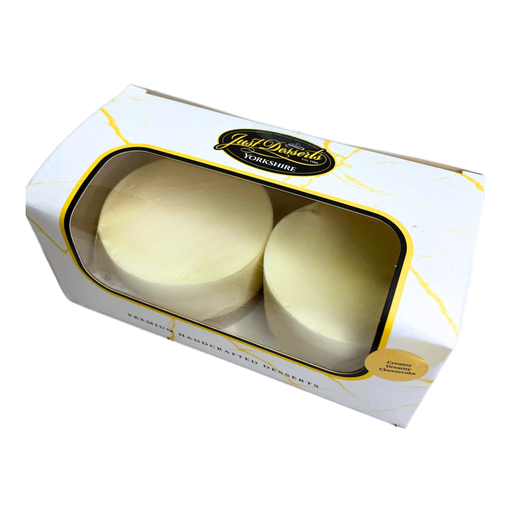 Image unavailable
A prepared cheesecake for serving as dessert rather than using cream across several dishes. Its description lists double cream among the ingredients.
The listed allergens include wheat, milk and soya. Keep refrigerated, check the current pack for guests’ ingredient requirements and storage instructions, and confirm the portions suit your dinner.
Add up the quantities in your recipes and the servings you plan to offer. A 250ml or 300ml pack may cover a single topping, while the 600ml M&S format is worth considering if several dishes need cream; the right quantity still depends on your recipes.
Choose extra-thick cream when you want to spoon it over dessert. For whipping, pouring or cooking, check a standard cream described for those uses, such as Tesco British Double Cream or M&S British Double Cream.
Follow the instructions on the exact pack: ASDA Extra Thick Fresh Double Cream and Tom Parker Creamery Free Range Double Cream are labelled unsuitable for freezing. Do not assume another cream has the same storage directions.
Dairy double cream contains milk, as the Food Standards Agency notes. Check the current labels of both cream and prepared desserts with the guest before choosing what to serve; a finished dessert may have additional allergens.
No. The Food Standards Agency distinguishes use-by dates from best-before dates because food can become unsafe over time. Follow the cream’s use-by date and refrigeration instructions rather than relying on its appearance.