
24/7 全天候客户支持

免费退货

当日/次日达

品质保障

开启新人专享福利: 全场免邮 | 低至 2 折 | 免费试用 30 天 JoyPlus 会员
下载 Joybuy
Stepping into the world of downhill and aggressive trail riding is an exhilarating prospect. The rush of navigating steep descents, technical terrain and challenging features is unmatched. However, assembling the right kit can feel overwhelming. With so many options available, it's easy to get lost in technical jargon and marketing clutter. The key is finding reliable, safe and capable equipment that builds your confidence without emptying your wallet.
This guide is designed to cut through the clutter. As the Joybuy Product Recommendation Officer, my role is to help you understand the essential components of a solid downhill mountain bike gear setup. We will look at the core principles of selecting your equipment and highlight a few recommended products to help you build a complete and dependable beginner downhill MTB kit.
Before you start adding items to your basket, it’s important to understand what to look for. Focusing on safety, compatibility and durability will ensure your gear performs when you need it most.
The bike is the heart of your setup. While professional downhill racing bikes are highly specialised, a versatile all-terrain bicycle can be an excellent starting point for exploring more aggressive trails. Look for a robust frame, reliable brakes and suitable gearing. For instance, a fat tyre mountain bike offers exceptional stability and grip on loose surfaces like gravel, mud or sand, which can inspire confidence when you're starting out. A dependable drivetrain, such as a Shimano 7 speed bike system, provides sufficient range for tackling varied gradients without being overly complex for a newer rider.
When it comes to downhill and enduro bike equipment, safety is paramount. Your speed and the terrain's unpredictability demand more protection than standard cross-country riding.
full face MTB helmet is a must-have. It provides crucial protection for your chin, jaw and face in the event of a forward fall, which is more common in steep, technical riding. Look for helmets with a strong outer shell (like ABS plastic) and an impact-absorbing inner liner (like EPP foam). Good ventilation is also key for comfort.mountain bike goggles OTG (Over-The-Glass) are specifically designed to fit comfortably over your existing eyewear.Beyond the bike and helmet, your MTB protective gear should include gloves for grip and abrasion resistance, as well as knee and elbow pads to guard against impacts. These items work together to create a system that allows you to push your limits with greater confidence.
Here are a few product recommendations that offer a strong combination of performance, safety and value, helping you build a capable kit for your adventures.
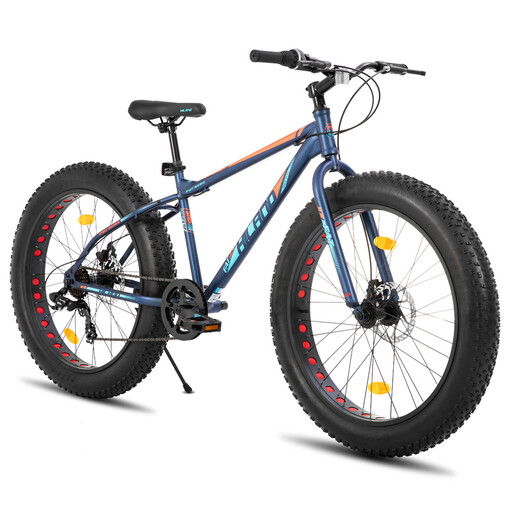
Why It Stands Out: The HILAND Roon is a fantastic entry point into all-terrain riding. Its defining feature is the set of 26" x 4.0" fat tyres, which provide a huge contact patch with the ground. This translates to outstanding grip and stability on challenging surfaces where standard tyres might struggle. The durable Hi-ten steel frame is built to handle rough trails, while the reliable dual mechanical disc brakes offer consistent stopping power in wet or dry conditions.
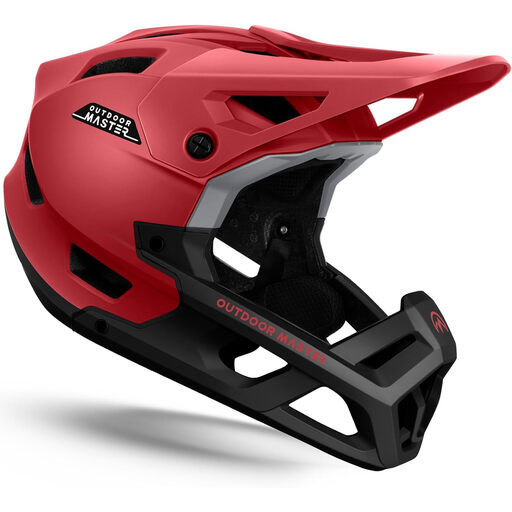
Why It Stands Out: This helmet delivers the comprehensive protection needed for downhill and enduro riding. It combines a tough ABS outer shell with an EPP inner liner designed to absorb and dissipate impact forces. A key feature is the integrated EPP collarbone impact system, which helps reduce forces transferred to the collarbone area during a crash. Despite its robust construction, it remains impressively lightweight (under 750g) and features 27 ventilation channels to keep you cool.
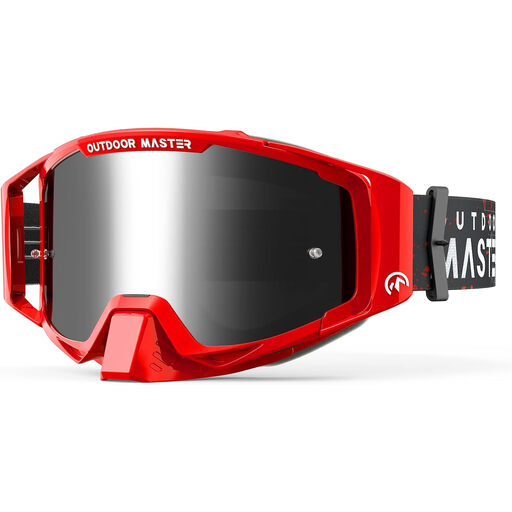
Why It Stands Out: Clear vision is non-negotiable, and these goggles deliver. Their most significant advantage is the Over-The-Glass (OTG) design, which allows them to be worn comfortably over most prescription glasses. The lenses feature anti-fog and scratch-resistant coatings, ensuring your view remains unobstructed. A flexible frame with triple-layer foam creates a secure and comfortable seal against your face, while the ventilation system helps prevent fogging during intense efforts.
While this guide focuses on gear for more aggressive trails, we cater to all types of cyclists. If you or someone you know is looking for a bicycle suited for commuting or leisurely park rides, our selection of ladies push bikes offers some excellent and practical options.
For a beginner, the essential downhill mountain bike gear includes a capable and durable mountain bike, a full face MTB helmet, protective goggles, gloves and knee pads. This core beginner downhill MTB kit provides the necessary safety and control to start building skills confidently.
While you can ride a standard mountain bike on gentle downhill slopes, they are not designed for the sustained steep, rough and technical terrain of dedicated downhill tracks. Downhill bikes have different frame geometry, more suspension travel and more powerful brakes to handle high speeds and large impacts safely. Using a less capable bike on true downhill trails can be risky and may lead to equipment failure.
A full face MTB helmet is crucial for downhill and enduro because of the higher speeds and increased risk of forward-facing falls. The integrated chinbar protects your jaw, teeth and face from impacts with the ground, trees or other obstacles—an area left exposed by open-face helmets. It is a fundamental piece of MTB protective gear for these disciplines.