
24/7 Customer Support

Free returns

Same-day & Next-day Delivery

Quality Guaranteed

Unlock Your Welcome Offers: FREE Delivery | Up to 80% OFF | Free 30-day JoyPlus trial
Download the APP
A blocked plughole rarely arrives at a convenient time. Water gathers in the kitchen sink, the shower tray drains slowly, or an unpleasant smell starts coming from the bathroom basin. Choosing a drain unblocker can seem straightforward, but product labels often make similar promises while their formulas, working times and safety requirements differ.
Before buying a sink unblocker or blocked drain cleaner, watch for three common pitfalls:
Hair, soap residue and skin grease are common in shower and bath drains. A bathroom drain unblocker or hair and grease remover should be suitable for these organic deposits. In kitchens, grease, food residues and other debris are more likely, so look for a product described for kitchen sinks and household pipes.
Chemical gels can penetrate standing water and cling to debris. Foam products expand inside the pipe, while enzyme-based formulas are generally designed to work gradually on organic material. An enzyme formula may suit households looking for a non-corrosive option, but it may require an overnight treatment rather than a rapid five-minute application.
A fast-acting drain cleaner may need around five minutes before flushing, whereas another pipe unblocker may require 15–30 minutes or overnight use. A larger 1-litre bottle can be practical for recurring problems or several drains, while a 250ml or 300ml bottle may be easier to store and suitable for occasional, targeted use.
Do not judge value by bottle size alone. Check how much the label instructs you to use per treatment and whether the product is intended for regular maintenance.
Look for clear information about compatibility with plastic pipes, septic systems and different household drain types. Some products are listed for sinks, showers, baths and plugholes, but additional warnings may apply to decorative fittings or worn surfaces.
Many conventional drain unblockers contain ingredients such as sodium hydroxide, sodium hypochlorite or potassium hydroxide. These can cause serious skin or eye damage. Wear the protective equipment stated on the label, ventilate the room and keep the bottle away from children and pets. Never mix a drain unblocker with bleach, acids or another cleaning product, as dangerous fumes may result.
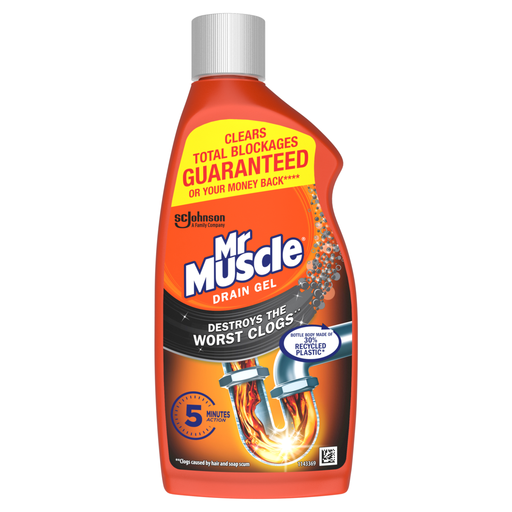
Why This Fits Their Persona: A manageable 500ml size for tenants, first-time buyers and households dealing with an occasional sink or plughole blockage.
The product information specifies use on sinks, plugholes and pipes, with directions to leave it for five minutes before flushing with hot tap water.
Gel formula designed to work through standing water; the product description states it is suitable for household pipe types.
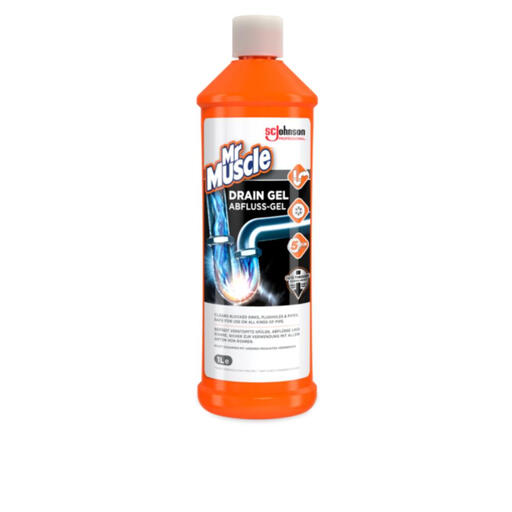
Why This Fits Their Persona: A larger format for homeowners or property managers who want one product for kitchen, bathroom and shower drains.
Its listed directions specify a five-minute treatment, with longer contact time for tougher clogs, rather than promising that every blockage clears instantly.
1-litre capacity; described for hair, grease, food residues and other common drain debris in hard- or soft-water areas.
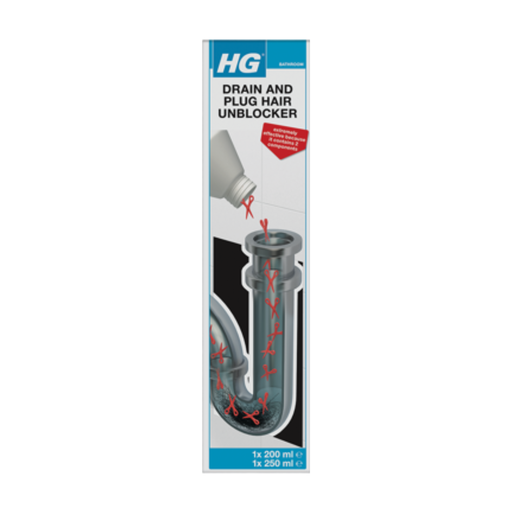
Why This Fits Their Persona: A targeted choice for households repeatedly dealing with hair, toiletries, skin grease or toothpaste in shower drains and bathroom sinks.
It is specifically described for bathroom blockages, helping buyers avoid selecting a general kitchen sink unblocker for a hair-filled shower trap.
Ready-to-use two-component formula; contains potassium hydroxide and is listed for use on household pipes.
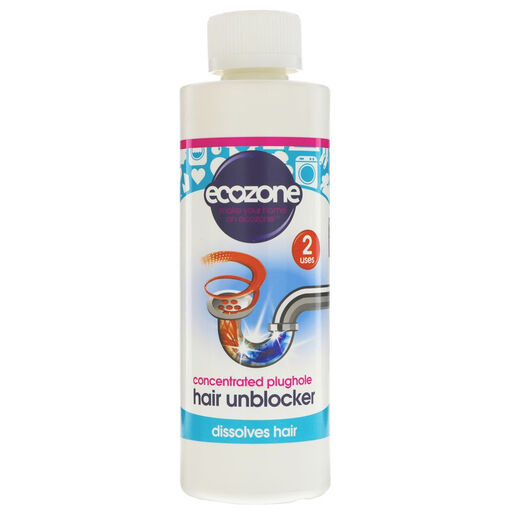
Why This Fits Their Persona: Suitable for UK households that prefer an enzyme-based treatment for organic bathroom build-up and have time to leave it overnight.
The product description identifies it as non-toxic and non-corrosive, while still warning users not to combine it with other chemical unblockers.
Enzyme-based formula for hair and organic blockages; listed as suitable for sinks, baths, showers, septic tanks and aquatic life.
If water backs up repeatedly, several drains are affected, or you suspect a damaged pipe, a chemical treatment may not address the underlying fault.
We have compiled a complete, real-time list of products that fully satisfy these strict selection criteria and UK safety regulations.
Use it when needed and follow the product’s maintenance instructions. Some labels suggest weekly or monthly use, but frequent recurring blockages can indicate a physical obstruction or plumbing issue rather than a need for more cleaner.
It depends on the formula. Check the packaging for a specific septic-system statement. The Ecozone product listed above is described as suitable for septic tanks, while other products may carry different guidance.
Only if the label lists bathroom drains, showers or plugholes. A kitchen sink unblocker may be formulated for grease and food residues, whereas a shower drain unblocker is more likely to address hair and soap build-up. Always check pipe and surface compatibility before use.