
24/7 Customer Support

Free returns

Same-day & Next-day Delivery

Quality Guaranteed

Unlock Your Welcome Offers: FREE Delivery | Up to 80% OFF | Free 30-day JoyPlus trial
Download the APP
A slow or blocked drain can quickly disrupt a UK household. Water may pool in a shower tray, a kitchen sink may empty slowly or an unpleasant smell may come from a bathroom plughole. A suitable drain unblocker can deal with some everyday build-ups, but choosing the wrong formula can waste money or create avoidable safety risks.
Marketing language can also make comparison difficult. Here are three common pitfalls to avoid before buying.
Hair, soap scum and skin grease are common in bathroom drains, while kitchen sinks often collect food residue and grease. An unblocker for blocked sinks may not be the most suitable option for a shower trap, particularly when the product is designed for a specific type of build-up.
Check whether the label mentions the intended use, such as a bathroom drain unblocker, shower drain unblocker or kitchen sink unblocker.
A fast-acting drain cleaner may work in around five minutes, but this does not mean every blockage will clear within that time. The severity, location and composition of the clog all matter. Some products require an hour or overnight contact time, especially when they are intended to break down hair or organic material gradually.
Treat the stated time as an instruction for that product, not a guarantee that every blocked drain will clear immediately.
Terms such as “safe for all pipes” refer to the product’s stated compatibility, not permission to use it on every fitting, surface or plumbing situation. Certain products may require caution around worn enamel, chrome, brass or gold-plated fittings.
Never combine a drain cleaner gel with bleach, acids, descalers or another unblocker. Mixing cleaning chemicals can release dangerous gases or cause hazardous reactions. Always read the container label, use the recommended protective equipment and keep the bottle away from children and pets.
For bathroom use, look for products that specifically address hair blockage remover, soap deposits, skin grease or toothpaste. A potassium hydroxide-based product may be designed to break down hair and toiletries, while an enzyme-based formula may take longer to work but is positioned for organic build-up and selected septic-tank applications.
For kitchens, check whether the formula is intended for grease, food debris and general sink blockages. A thick drain unblocker gel can be useful where standing water is present because it is designed to reach the obstruction rather than simply sit on the surface.
Common household sizes include 250ml, 300ml, 450ml, 500ml and 1 litre. A smaller bottle can be easier to handle and store, while a larger bottle may offer more applications for homes with several drains.
Also check whether the product is ready to use. A ready-to-pour plughole unblocker avoids dilution and can make application more straightforward. Some kits combine a mechanical tool with a chemical gel, which may be practical when hair or solid debris is close to the plughole.
Read the full directions before purchase. Some products specify five minutes followed by warm water; others recommend one hour or overnight use. Do not substitute boiling water unless the label specifically allows it, and never pour a second chemical product into the drain to “boost” performance.
If a drain remains blocked after following the instructions, stop adding chemicals. A persistent blockage may need a trap to be cleaned, a manual tool or professional plumbing assistance.
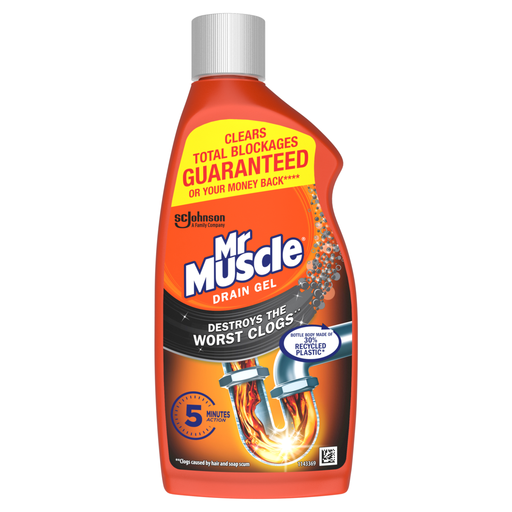
Why This Fits Their Persona: A manageable 500ml bottle suits renters and smaller households looking for a straightforward sink unblocker for occasional use.
Its instructions specify a five-minute action time, with longer treatment suggested for tougher clogs, so buyers can plan around the actual directions.
Gel formula; designed for sinks, plugholes and pipes; stated to work through standing water.
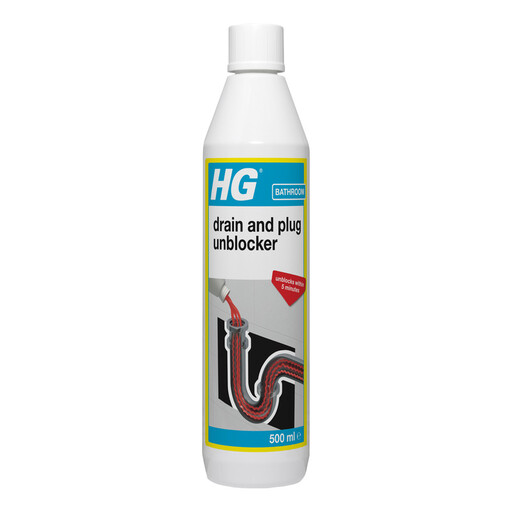
Why This Fits Their Persona: Suitable for hand basins and shower traps, this ready-to-use option suits households that want a dedicated bathroom drain product without dilution.
The product is labelled ready to use and is described as suitable for plastic pipes, helping buyers check application and compatibility before pouring.
500ml capacity; no dilution required; designed for bathroom basins and shower traps.
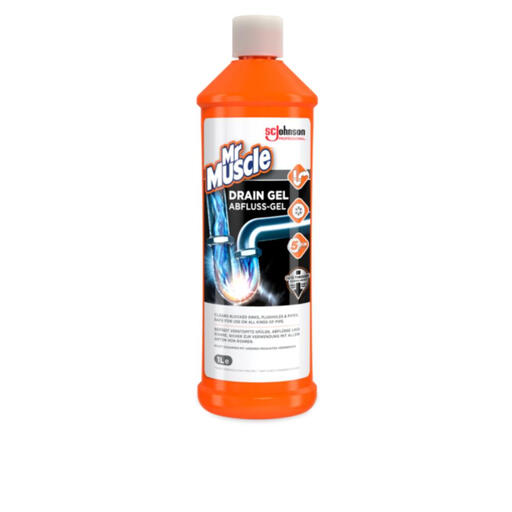
Why This Fits Their Persona: The 1-litre format is practical for larger homes or people maintaining several kitchen and bathroom drains.
Its directions set out a five-minute treatment, with a longer period for tougher blockages, rather than suggesting one fixed result for every drain.
1-litre bottle; suitable for hard and soft water areas; stated for kitchen, bathroom and shower drains.
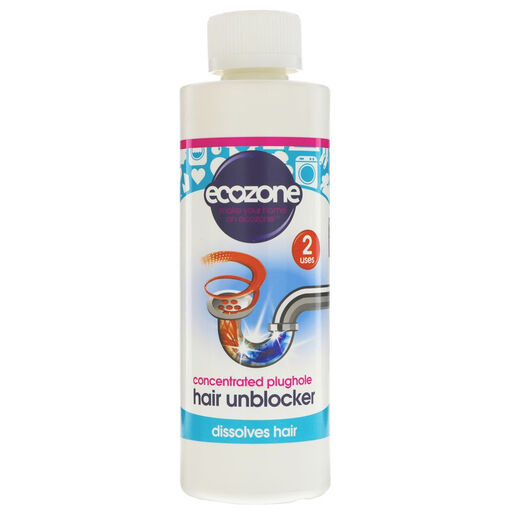
Why This Fits Their Persona: Its smaller format and enzyme-based positioning suit households seeking a gradual bathroom plughole treatment for organic build-up.
The stated overnight treatment makes its slower operating method clear, while the label advises against using it with other chemical unblockers.
250ml size; enzyme-based formula; stated as non-corrosive and suitable for septic tanks.
We have compiled a complete, real-time list of products that fully satisfy these strict selection criteria and UK safety regulations.
For recurring blockages, prevention can be more economical than frequent treatments. Use a plughole cover to catch hair, avoid putting cooking fat down the sink and clean removable traps when appropriate. A maintenance product may help with gradual build-up, but it should not replace repairs where pipes are damaged or obstructed further along the system.
It depends on the formula and blockage. Some products specify approximately five minutes, while foam and enzyme-based treatments may require an hour or overnight. Follow the individual product label rather than applying extra liquid or mixing products.
Only if the label states that it is suitable for showers or bathroom drains. Hair and soap-focused products are often designed for shower traps, but pipe material, fittings and standing water instructions still need to be checked.
Use it only according to the manufacturer’s directions. Some products provide weekly or monthly maintenance guidance, while others are intended for occasional blockages. Regular mechanical cleaning and a drain cover can reduce the need for chemical treatment.