Choose the drawing setup that works with your existing device before comparing pen features: Apple Pencil, Samsung S Pen and Surface Slim Pen each have model-specific compatibility requirements. Beside a bright window, screen treatment and placement matter separately from the stylus; an anti-glare or anti-reflection specification does not guarantee visibility at every angle. If you draw on a computer, decide whether you want to draw directly on a connected pen display or use a screenless tablet while watching your monitor.
Who this setup suits
People sketching on a tablet they already own
If you have an iPad, Galaxy Tab or Surface, identify its exact model before choosing a pen for cartoon expressions and varied line work. Apple, Samsung and Microsoft specify pen support by device or series; sharing a brand name is not enough to establish compatibility.
People drawing beside a bright window
Reflections can affect how clearly you see small facial details. Compare the exact screen’s treatment and where you can place it: Samsung describes anti-reflection technology on the Galaxy Tab S10+, while XPPen specifies an anti-glare display for the Artist 15.6 Pro v2. Neither specification settles visibility at every window angle.
People using a computer for illustration
A connected pen display lets you draw where the marks appear; a screenless pen tablet sends your movements to a separate computer screen. XPPen’s Artist 15.6 Pro v2 illustrates the former setup, while Wacom describes the latter for its display-free tablets. Consider which screen you can position comfortably at your desk.
What to check before choosing
Start with the device and drawing method you intend to use, then assess the screen’s position relative to the window. Pen controls matter only if the particular device and drawing app can use them.
| Concern |
What to check |
Who this matters to |
| Pen compatibility |
Match the exact tablet model and pen against the maker’s compatibility list. Check software and charging requirements as well as drawing features. |
If I already own a tablet, I need to know the pen will work with that particular model before planning my sketches. Around 36% of consumers put that device match first. |
| Visibility by the window |
Check the exact display for anti-glare or anti-reflection treatment, and consider whether you can change its angle or position. |
When reflected light obscures small facial details, I need to see where each stroke lands. For around 29% of consumers, clear sight of the drawing is the primary concern. |
| Drawing through a computer |
Decide between drawing on a connected screen and using a screenless pad with your monitor. Check the computer connection and where that monitor will sit. |
If my computer already handles the drawing app, I may prefer a pen tablet that uses its monitor rather than another drawing screen. Around 21% of consumers make that computer-based setup their first consideration. |
| Surface workflow |
Confirm that the exact Surface supports inking, then check its supported pen features and charging arrangement. |
Keeping drawing on the Windows device I use for other work matters more to me than changing systems. That continuity comes first for around 14% of consumers. |
Mistakes to avoid
-
Assuming an active stylus works with any tablet
Apple, Samsung and Microsoft specify compatible devices or ranges. Even when a pen works with a device, particular features and charging arrangements can depend on the model.
Note your tablet’s exact model number and compare it with the pen maker’s compatibility and charging information; do not rely on a broad phrase such as “for iPad”.
Checking before ordering can also spare the time involved in resolving an incompatible purchase.
-
Choosing by pressure-level figures alone
Pressure response also depends on the drawing application, brush and settings, as Wacom explains. A pen specification cannot tell you whether reflections will obscure the cartoon lines on your screen.
Confirm that your intended app supports the controls you want, then consider screen placement and whether direct-on-screen or screenless drawing fits your workspace.
-
Expecting a pen display to work on its own
The XPPen Artist 15.6 Pro v2 is a computer-connected drawing display, not a standalone tablet. Its anti-glare surface does not remove the need for a compatible computer.
Check computer ports, operating-system support, cable routing and available desk space before choosing a pen display.
A connected setup also means accommodating its cables and finding room for both the drawing display and your computer equipment.
-
Treating a retailer’s returns window as the whole story
A voluntary change-of-mind policy is different from rights concerning faulty or misdescribed goods. GOV.UK guidance says traders cannot remove statutory refund rights, including because an item was sold in a sale.
Read the retailer’s policy for change-of-mind returns, and retain the listing and compatibility claim if you need to explain why an item is faulty or not as described.
Brands relevant to these setups
These brands illustrate different device and drawing-hardware routes; their listed features apply to the named products and compatible devices, not every product from the brand.
Apple
Apple Pencil is an iPad-specific route for someone who already has, or intends to choose, a compatible iPad.
- Apple lists tilt support and palm rejection for Apple Pencil. Apple Pencil Pro adds controls including squeeze and barrel roll.
- Check the precise iPad and Pencil pairing. Apple Pencil (USB-C) pairs and charges by USB-C cable and requires iPadOS 17.1.1 or later; its magnetic attachment is for storage, not a substitute for cable charging.
Samsung
The Galaxy Tab and S Pen route suits someone choosing a compatible Android tablet or replacing a pen for a specified Tab series.
- Samsung describes pressure and tilt sensitivity for its S Pen for the Tab S10 and S9 series, and advertises anti-reflection technology for the Galaxy Tab S10+ display.
- Confirm the exact tablet and pen combination. The Galaxy Tab S10+ display claim does not apply to every Galaxy Tab or guarantee visibility in direct sunlight.
XPPen
The Artist 15.6 Pro v2 is an example of a computer-connected screen for drawing directly on the displayed image.
- XPPen specifies a 15.4-inch laminated anti-glare display, shortcut controls and 16K pen pressure levels for this model.
- It needs a computer and suitable connections. Its display treatment is not a guarantee of comfortable viewing at every bright-window angle.
Wacom
The researched Intuos model illustrates screenless drawing with a computer monitor.
- Wacom specifies a battery-free electromagnetic resonance pen and 4,096 pressure levels for the researched Intuos model.
- You draw on the tablet while looking at the monitor, whose position and reflections still need attention.
Microsoft
Surface Slim Pen is a route for drawing on compatible Surface hardware within an existing Windows workflow.
- Microsoft lists pressure sensitivity and tilt for Surface Slim Pen, with further features dependent on supported hardware and apps.
- Microsoft’s compatibility information also identifies Surface devices without inking support. Check the exact device and how the pen will charge in your setup.
Joybuy product choices
These choices cover a tablet with an included stylus and two Apple Pencils for owners of compatible iPads. For drawing beside a bright window, assess the screen you will actually use as well as the pen.
 No image available
TECLAST ArtPad Pro tablet, 12.7-inch 2K, 2025 Edition
Consider this self-contained tablet-and-stylus setup if you want to draw without connecting a separate computer.
The product title specifies a 12.7-inch 2K display, an included stylus, T-Pen drawing support and 4,096 pressure levels. Check that your intended drawing app supports the tablet and its pen, and assess the display and its position beside the window.
View on Joybuy
 No image available
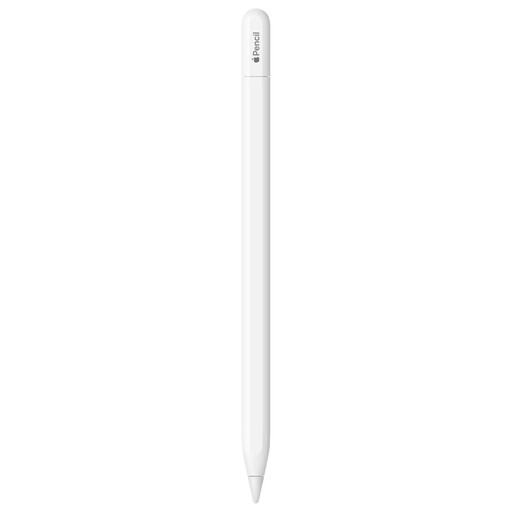
Apple Pencil (USB-C)
This pen is a choice for sketching on an iPad confirmed to support Apple Pencil (USB-C).
Apple specifies tilt sensitivity, USB-C cable pairing and charging, magnetic attachment for storage, and an iPadOS 17.1.1-or-later requirement. Check your exact iPad model before ordering; visibility beside the window depends on its display and placement.
View on Joybuy
 No image available
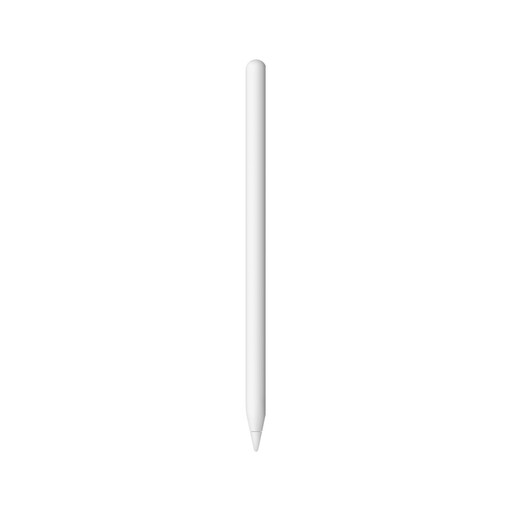
Apple Pencil (2nd Generation)
Consider this model if your exact iPad appears on its compatibility list and you want a pen for drawing on that device.
The product information describes magnetic pairing, charging and storage. Check model-specific features before choosing it: hover is described only for certain compatible iPad Pro models. The Pencil does not change how the iPad screen handles window reflections.
View on Joybuy
Frequently asked questions
Can I pick a drawing stylus before checking my tablet model?
Check the tablet model first. Apple Pencil compatibility varies by iPad, Samsung identifies replacement S Pens for named Galaxy Tab ranges, and Microsoft publishes Surface pen compatibility by device. A matching brand or connector shape does not establish that a pen will work.
Will an anti-glare screen solve reflections beside a sunny window?
An anti-glare or anti-reflection specification is worth considering, but it does not guarantee visibility at every angle. XPPen specifies an anti-glare surface for the Artist 15.6 Pro v2, and Samsung advertises anti-reflection technology for the Galaxy Tab S10+; also consider whether you can reposition the screen or control light from the window.
How should I check stylus charging before buying?
Check the charging method for the exact pen and device combination. Apple Pencil (USB-C) charges through a USB-C cable, despite attaching magnetically for storage. For a Surface Slim Pen, confirm that your device or accessory supports its charging arrangement.
Does a retailer’s returns policy replace my rights if a UK purchase is faulty?
No. A retailer’s voluntary change-of-mind policy is separate from statutory rights concerning faulty or misdescribed goods. GOV.UK states that traders cannot restrict or remove statutory refund rights; keep the listing and any compatibility claim so you can show what was described when you bought the item.


