
24/7 Customer Support

Free returns

Same-day & Next-day Delivery

Quality Guaranteed

Unlock Your Welcome Offers: FREE Delivery | Up to 80% OFF | Free 30-day JoyPlus trial
Download the APP
As a Joybuy Product Recommendation Officer, my role is to help you navigate the crowded market of art materials. Choosing the right drawing supplies can be the difference between a frustrating experience and a fulfilling creative session. However, many shoppers find themselves with pencils that constantly break or sets that don't live up to their "professional" label. This guide will help you identify the key features that matter and avoid the common purchasing pitfalls.
Before you add anything to your basket, be aware of a few frequent issues that can lead to disappointment and wasted money:
To make an informed choice, focus on these core parameters instead of marketing hype.
The heart of any pencil is its lead. For graphite sketching pencils, the key is the hardness grade, which ranges from hard (H) for fine, light lines to soft (B) for dark, rich shading. A good starter set for artists will include a range of grades like 2H, HB, 2B and 4B.
For coloured pencils, look for information on the core's composition. High-quality pencils use rich pigments for better colour saturation and lightfastness. A critical feature to look for is how the lead is secured within the wooden casing. Some manufacturers use a proprietary process, such as SV (Securall) bonding, which glues the entire length of the lead to the wood. This dramatically increases break resistance, saving you both time and material.
Not all sharpeners are created equal. For anyone who uses pencils regularly, a reliable sharpener is a non-negotiable tool. An electric pencil sharpener with a heavy-duty helical blade is often a worthwhile investment. Unlike standard flat blades that can wear down quickly and cause splintering, a helical blade shaves the wood and lead cleanly for a precise point. Also, check for adjustable sharpness settings (e.g., sharp, medium and blunt) and a wide diameter range (e.g., 6-12mm) to accommodate everything from standard graphite pencils to thicker artist-grade pencils.
Based on these practical considerations, here are a few recommendations matched to specific user needs.
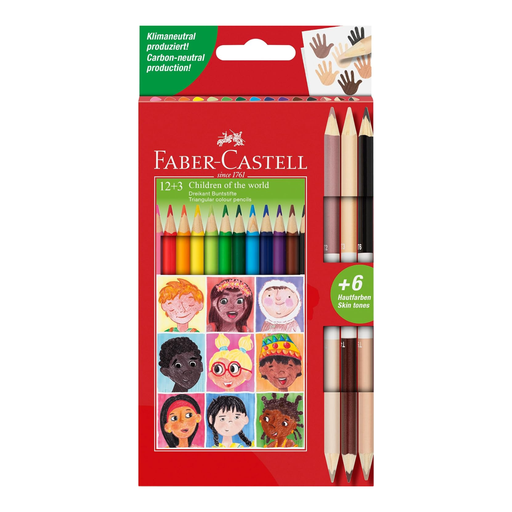
Why This Fits Their Persona: Ideal for children or anyone starting their creative journey. The ergonomic triangular shape promotes a proper grip, reducing hand fatigue, while the inclusion of skin tones makes it great for drawing people and characters.
It directly counters the "brittle lead" problem by using Faber-Castell's SV bonding process, which makes the leads highly break-resistant—a crucial feature for younger, less experienced users.
The colours are washable from most fabrics, offering peace of mind for parents. The wood is sourced from certified sustainable forestry.
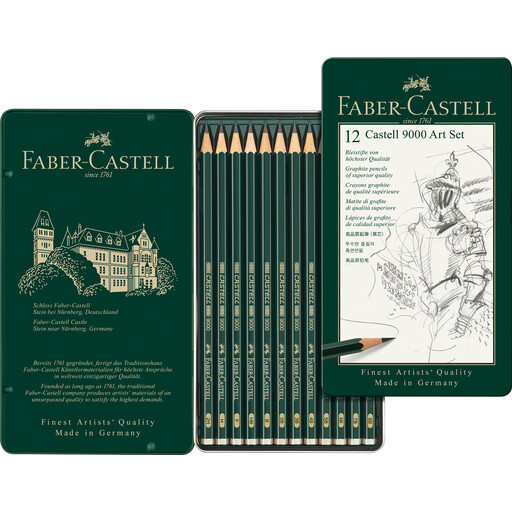
Why This Fits Their Persona: This is a go-to choice for professional artists, illustrators and designers who require precision and reliability. The set provides a versatile range of hardness grades suitable for everything from technical drawing to expressive shading.
It sidesteps the "fake professional" trap by offering genuinely high-quality, finely graduated graphite. The SV bonding ensures superior break resistance, a hallmark of a true artist-grade tool.
The consistent quality across all grades ensures predictable, smooth performance. The environmentally safe, water-based varnish provides a durable and comfortable finish.
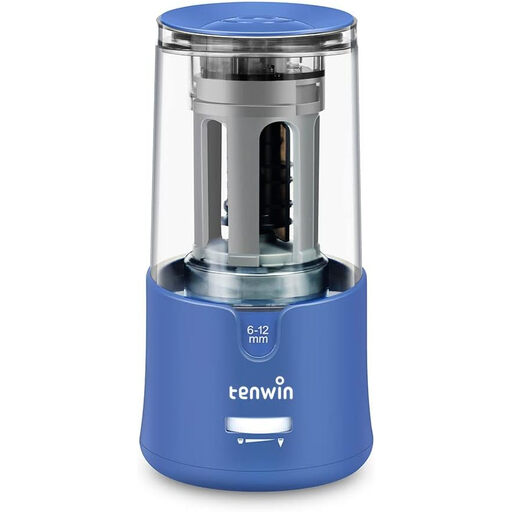
Why This Fits Their Persona: Perfect for artists, teachers or office workers who use a high volume of pencils. It saves significant time and effort, ensuring a perfect point every time without damaging valuable art supplies.
This model directly solves the "pencil-eating sharpener" problem. Its heavy-duty helical blade, wide 6-12mm compatibility and auto-stop safety feature protect pencils from being over-sharpened or damaged.
The three adjustable point settings (sharp, medium and blunt) offer versatility for different drawing and writing needs. The large shavings container means less frequent emptying.
We have compiled a complete, real-time list of products that fully satisfy these strict selection criteria and UK safety regulations.
Lead breakage is most often caused by either a brittle, poorly bonded core or an unsuitable sharpener. To prevent it, first choose pencils known for break resistance, such as those with SV bonding. Second, use a sharpener with a high-quality, sharp blade. A helical blade sharpener is generally gentler on pencil cores than a standard blade. Avoid applying excessive force and let the sharpener do the work.
Not always. While professional-grade artist pencil sets offer superior blendability, lightfastness and durability, a beginner may not need these features right away. It is often more practical to start with a high-quality entry-level or student-grade set from a reputable brand. This allows you to learn techniques without the pressure of using expensive materials. As your skills develop, you can then upgrade to a professional set that matches your specific artistic style.
The key difference is the binder used in the lead. Regular coloured pencils use a wax or oil-based binder, making them water-resistant. Watercolour pencils, on the other hand, use a water-soluble binder. This means you can use them dry, like a normal pencil, and then apply water with a brush to dissolve the pigment and create a watercolour-like wash effect. They offer a versatile combination of drawing and painting techniques.