Choose a compact screenless pen tablet if desk space and portability come first, or a larger screenless tablet if you want more room for broad strokes. A connected pen display lets you draw on the image, but it needs space, a compatible host device and a workable cable arrangement. Whichever route appeals, check the drawing area, your art software and the exact device connection before buying.
Who each setup suits
Students working at small desks
If your laptop, books and sketching materials share one surface, a compact screenless tablet is easier to fit into the workspace than an additional display. You must still be comfortable drawing on the tablet while looking at a separate screen.
Artists practising gestures and shading
A larger screenless drawing area gives your pen hand room for broad outlines and repeated animal studies, provided it fits beside your existing screen. Check that your art application supports the pen inputs you intend to use.
Learners who prefer drawing on the image
A connected pen display puts the visible canvas under the pen. This route suits you if that interaction matters more than keeping the desk clear and you can accommodate its host device and connections.
What matters when choosing
Decide whether you need to draw on the image or can work while looking at a separate screen; then check how the chosen setup fits your desk and existing device.
Compact screenless tablet
Choose it when: Your drawing surface needs to share a small desk with a laptop or be packed away after studying.
Trade-off: You draw on the tablet while watching a separate screen.
Larger screenless tablet
Choose it when: You want physical room for sweeping animal outlines but can keep using your existing display.
Trade-off: The drawing surface takes up more of the study desk without changing the indirect drawing workflow.
Connected pen display
Choose it when: Placing the pen directly on the visible image matters enough to make room for another screen.
Trade-off: A model such as the Huion Kamvas 13 needs a connected computer, laptop or compatible Android device, as well as a suitable cable and power arrangement.
| Concern |
What to check |
Who this matters to |
| Workspace fit |
Measure clear desk space with the laptop, keyboard and drawing hand in position. Check where the screen will sit. |
If my desk also holds coursework, I need a drawing setup I can use without crowding my arm or screen. Roughly 31% of consumers would put workspace fit first. |
| Stroke control |
Compare active drawing areas and check pressure or tilt support in your chosen art software and brushes. |
For repeated outlines and shading studies, I want enough stroke room and the pen inputs my brushes can use. Around 31% of consumers would make drawing control their primary concern. |
| Direct-on-image drawing |
Check whether the device is a pen display or a screenless tablet, and plan where a connected display would sit. |
If coordinating my hand with a separate screen interrupts proportion studies, I would rather draw on the visible image. About 23% of consumers would prioritise that interaction. |
| Device compatibility |
Confirm the operating-system version, art application, required ports and any display power connection. |
Before changing my drawing setup, I need it to work with the computer and software I already use. Approximately 15% of consumers would treat compatibility as their main concern. |
Buying pitfalls
-
Assuming a pen display works by itself
Huion describes the Kamvas 13 as a drawing monitor that must connect to a computer, laptop or Android device. It is not a standalone drawing computer.
Identify your host device and check the exact display model’s operating-system, port and power requirements before buying.
-
Choosing a large drawing area without measuring the desk
XP-Pen specifies a 10 × 6.25-inch active area for the Deco 01 V3. The tablet still needs room beside your computer and study materials; the Health and Safety Executive also advises arranging screen work without twisting your back.
Measure the usable desk width and depth, allowing space for your keyboard and drawing arm.
-
Treating pressure levels as a measure of artistic results
A pressure-level figure describes pen input, not the quality of a finished animal painting. Tilt-dependent brush effects also require compatible software and brush settings.
Choose a drawing area and workflow you can use comfortably, then check how your intended application handles pressure and tilt.
-
Assuming the preferred display accessories are included
The stand, cable configuration and power arrangement affect how a pen display sits and connects on a small desk.
Read the exact package contents and connection diagram rather than assuming your preferred stand or cable comes in the box.
A separate stand or suitable cable may be needed for the arrangement you choose.
Brands to consider for these drawing setups
Wacom
The Wacom One S illustrates the compact screenless route for a shared study desk.
- Wacom lists the One S as 7.9 mm thick, with Bluetooth connectivity and support for Windows, Mac, Android and Chrome OS.
- It does not put the drawing image beneath the pen; check the exact device compatibility and connection method you need.
XP-Pen
The Deco 01 V3 represents a larger screenless surface for outlines and shading practice.
- XP-Pen specifies a 10 × 6.25-inch active area, a battery-free pen, 60° tilt support and eight shortcut keys for this model.
- It requires more desk room than a compact tablet and still relies on a separate screen; confirm compatibility with your device and art software.
Huion
The Kamvas 13 represents the connected pen-display route for drawing on a visible canvas.
- Huion lists a laminated Full HD IPS display and a battery-free pen for the Kamvas 13.
- Huion says this drawing monitor requires a computer, laptop or Android device. Check the connection, power and desk arrangement for the exact configuration.
Joybuy products for on-screen drawing
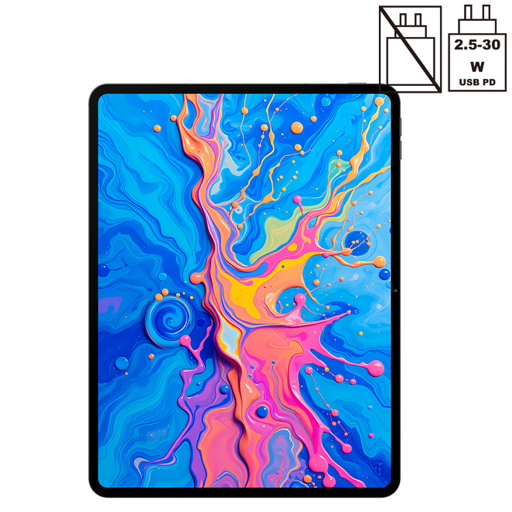
These TECLAST ArtPad Pro listings are Android tablets with stated T-Pen drawing support. They offer a different on-screen route from a screenless tablet or a connected pen display: check your intended Android art app and the contents of each listing before choosing a variant.
 No image available
TECLAST ArtPad Pro 2025 Edition, 12.7-inch 2K
Consider this on-screen Android route if you want to work on the visible image rather than coordinate a screenless tablet with a separate display.
The title states T-Pen drawing support, 4,096 pressure levels and Android 15. Check that your chosen art app supports the pen functions you need, and compare the tablet’s physical dimensions with your desk.
View on Joybuy
 No image available
TECLAST ArtPad Pro 2025 Edition, 12.7-inch 2K, with stylus pen
This variant suits someone considering on-screen drawing who wants the stylus pen specified in the product title.
The title also states T-Pen drawing support, 4,096 pressure levels and Android 15. Confirm your art app’s pen compatibility, the full package contents and the space needed on your desk.
View on Joybuy
 No image available
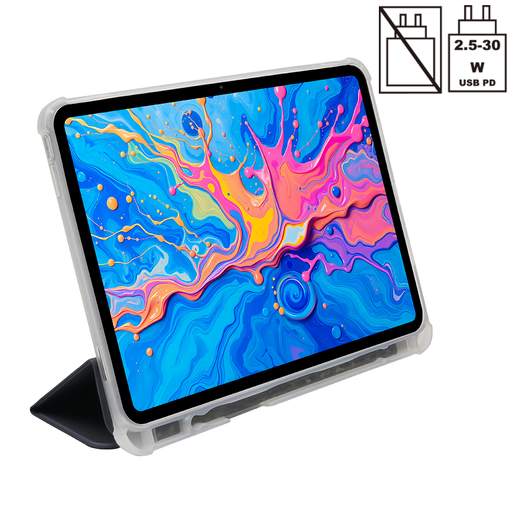
TECLAST ArtPad Pro 12.7-inch 2K, with case
This case-included variant is another on-screen option if you want to assess Android drawing alongside the other tablet routes.
The title states T-Pen compatibility and 4,096 pressure levels. Confirm which compatible pen you would use, whether it is in the package, how your art app handles its input and whether the tablet fits your workspace.
View on Joybuy
Frequently asked questions
Will a pen display work without a computer?
The Huion Kamvas 13 will not: Huion says it must connect to a computer, laptop or Android device. Other devices may work differently, so confirm the exact model’s host, port and power requirements rather than relying on the term “drawing tablet”.
Can I use one USB-C cable with a pen display?
A single-cable arrangement depends on the display, cable and host connection supporting the required video, data and power functions. Huion says its full-featured USB-C cable carries those functions, but an additional power connection may be needed when the host cannot supply sufficient power.
How can I fit drawing sessions around a small study desk?
Start by positioning your screen directly in front of you and leaving room to move your drawing arm without twisting your back. The Health and Safety Executive’s display-screen guidance also advises avoiding raised shoulders; assess the desk, chair and display position together.
What should I do with an old drawing tablet when replacing it?
Look for an appropriate electrical-equipment recycling route rather than assuming ordinary household waste is suitable. GOV.UK explains that the UK Waste Electrical and Electronic Equipment Regulations 2013, as amended, underpin measures encouraging the recovery, reuse and recycling of electrical equipment; check the relevant retailer or local-authority arrangements for your item.


