What matters when choosing
For portraits at a shared desk, decide whether you need to draw on a screen, draw while watching an existing monitor, or work without a separate computer. Then check the connections and desk arrangement for that route.
Screenless pen tablet
Choose it when: You have a suitable monitor and want a drawing device that is straightforward to move between desks.
Trade-off: You draw on the tablet while watching a separate screen, and wireless support depends on the model and operating system.
Connected pen display
Choose it when: Seeing the portrait beneath your pen matters more than minimising desk equipment.
Trade-off: It needs space and a compatible route for its display signal and power; a USB-C socket alone does not establish compatibility.
Standalone Android tablet
Choose it when: Working without a laptop connection is your main requirement and the tablet supports your intended stylus and app.
Trade-off: Check the drawing app, file workflow and exact stylus bundle separately from PC-connected tablet specifications.
| Concern |
What to check |
Who this matters to |
| Drawing on the image |
Decide whether working from a separate monitor feels suitable. For a pen display, check its screen size and the connections required by your computer. |
If placing strokes directly on facial details is my priority, I would favour a display beneath the pen; around 25% of consumers put direct brush placement first. |
| Shared-desk setup |
Check the space available for the device and cables, plus whether your computer and workplace permit the model’s wireless connection. |
When I change desks, I want drawing equipment I can set up and put away without taking over the workspace; around 31% of consumers primarily value portability and less clutter. |
| Glare and workstation layout |
Look at the stated screen treatment and whether you can position the display, monitor and input device around your desk lighting. |
For regular portrait sessions, reflections and an awkward screen position would disrupt my work; roughly 25% of consumers put the workstation arrangement first. |
| Device and app compatibility |
Confirm the exact operating system, ports, display-output capability where needed, driver permissions and drawing-app support. |
If I must use a particular office computer or drawing app, I need that workflow to function before considering other features; about 19% of consumers make compatibility their primary concern. |
Standalone tablets on Joybuy
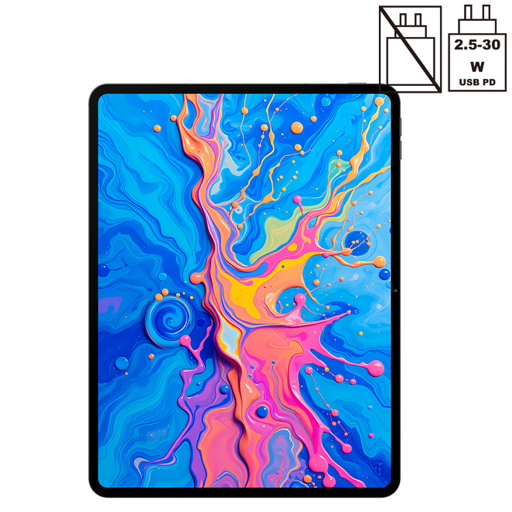
These TECLAST ArtPad Pro variants are standalone Android tablets for consumers who want to draw on a screen without connecting a separate computer. Check your portrait app and the stylus bundle for the exact variant; these products do not replace the connected pen-tablet and pen-display choices discussed above.
 No image available
TECLAST ArtPad Pro 12.7-inch 2K tablet, 2025 edition
A standalone Android option if you want to paint directly on a tablet screen rather than connect a pen display to a computer.
The listed variant runs Android 15 and supports T-Pen drawing with 4,096 pressure levels; it has 256GB storage and a stated 10,000mAh battery.
Check that your intended Android app supports the stylus features you need, whether a compatible pen is included, and how the screen handles your office lighting.
Joybuy
 No image available
TECLAST ArtPad Pro 12.7-inch 2K tablet with stylus, 2025 edition
This standalone-screen variant is worth considering when an included stylus is important to your drawing setup.
Its name specifies an included stylus, Android 15, T-Pen drawing support with 4,096 pressure levels, 256GB storage and a 10,000mAh battery.
Check stylus support in your chosen portrait app, along with screen treatment and the lighting at your desk.
Joybuy
 No image available
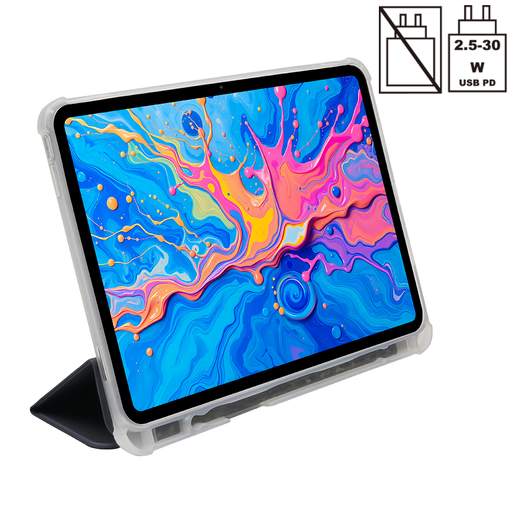
TECLAST ArtPad Pro 12.7-inch 2K tablet with case
This standalone Android tablet suits consideration if you want to work without a computer connection and prefer the listed case bundle.
The product name specifies T-Pen compatibility, 4,096 pressure levels, 256GB storage, a 10,000mAh battery and an included case.
Confirm whether a compatible stylus comes with this exact variant and works in your drawing app. Check screen treatment if reflections or colour-sensitive work matter to you.
Joybuy
Common questions
Should I choose a pen display or a screenless tablet for portraits at a shared desk?
Choose a pen display if drawing directly on the portrait takes priority and your computer and desk can accommodate a connected screen. Choose a screenless tablet if you already have a monitor and would rather move a smaller drawing device between desks; check the exact model’s connection options.
What should I check before connecting a drawing tablet to a work computer?
Check the computer’s operating system, ports and any display-output requirements, then confirm the necessary drivers and whether workplace IT permits their installation or Bluetooth pairing. XPPen, for example, specifies operating-system conditions for Deco Pro SW/MW Bluetooth and separate connection requirements for its Artist 13.3 Pro V2 display.
Does display screen equipment guidance apply to drawing at an office desk?
For employees who use display screen equipment daily as part of normal work for continuous periods of an hour or more, the Health and Safety Executive says employers must carry out a workstation assessment. Its guidance also covers hot-desking; occasional personal drawing is not automatically the same work situation.
Is UKCA the only product marking to look for in Great Britain?
No. In guidance dated August 2026, GOV.UK states that Great Britain continues to recognise CE marking alongside or instead of UKCA where the relevant product regulations’ aims and requirements meet UK needs. The guidance concerns England, Scotland and Wales; Northern Ireland follows different processes. Check the manufacturer’s and seller’s information for the particular tablet rather than treating a marking in a product title as proof of compliance.


