Bright-room landscape painters
If you paint near a window, reflections can interfere with judging sky gradients, shadows and colour. Screen placement matters alongside the display surface and its stated brightness.


Choose the drawing format after dealing with reflections: the Health and Safety Executive advises arranging a screen and desk to avoid glare or bright reflections. An iPad Pro offers a self-contained route with a specified bright display; a connected pen display suits painting directly in desktop software, while a screenless pen tablet lets you position a separate monitor independently. Each route still depends on your software, desk arrangement and preferred way of drawing.
If you paint near a window, reflections can interfere with judging sky gradients, shadows and colour. Screen placement matters alongside the display surface and its stated brightness.
If your painting workflow already runs on a Mac or PC, a connected pen display offers drawing directly on the image. Check its connection requirements, drawing surface and controls against your setup.
If you need to move your painting setup, a standalone tablet avoids relying on a desk computer. A screenless pen tablet offers a different kind of flexibility: its monitor can be positioned separately, but it still needs a computer and display.
Start with where the screen will sit relative to the window, then decide whether you need a self-contained tablet, a connected screen or a separate drawing surface.
Choose it when: You want to paint without a connected computer. Apple lists 1,000 nits maximum SDR brightness and an anti-reflective, fully laminated display for the current UK iPad Pro.
Allow for: Checking your painting app, compatible Pencil and exact glass option; Apple offers nano-texture glass only on 1TB and 2TB configurations.
Choose it when: You already paint on a computer and want your marks to appear beneath the pen on a separate drawing display.
Allow for: A compatible computer, connections and desk space. Anti-glare surfaces on the cited Wacom, Huion and XPPen models do not remove direct window reflections.
Choose it when: You are comfortable drawing on a tablet while looking at a separately positioned monitor.
Allow for: The hand-eye adjustment of working without an image beneath the pen, plus a compatible computer and monitor.
| Concern | What to check | Who this matters to |
|---|---|---|
| Window glare and visible tones | Check the exact model’s stated brightness and screen treatment, then whether you can angle it away from the window. | When reflections make skies and shadow values hard to judge, I want a readable canvas before anything else; around 36% of consumers would put glare and legibility first. |
| Drawing on the image | Confirm whether the pen works on a displayed image and whether the drawing area suits your canvas. | I want to see each mark land on the landscape rather than look across to another screen. Roughly 29% of consumers would make direct-on-screen drawing their main concern. |
| Existing computer workflow | Check operating-system and connection requirements, including any video connection needed by a pen display. | If I already use desktop painting software, the new device needs to fit that computer setup; about 21% of consumers would prioritise workflow compatibility. |
| Portable, self-contained painting | Check the tablet’s size, stylus compatibility and whether your intended painting app runs on it. | I want to move away from the window without taking a computer and separate screen with me; around 14% of consumers would put a self-contained setup first. |
An anti-glare surface does not guarantee that a display facing a bright window will be comfortable to use. The Health and Safety Executive advises arranging screens to avoid glare and bright reflections.
Plan the screen position first. Then compare the exact model’s surface treatment and stated brightness, bearing in mind that brightness figures are not available on the same basis for every pen display discussed here.
A Cintiq, Kamvas or Artist pen display is part of a connected-computer setup; an iPad Pro is a tablet computer in its own right.
Check your painting software, computer and required cables before choosing a connected display. If you need to work away from that computer, assess a standalone tablet instead.
Apple limits the nano-texture glass option to 1TB and 2TB iPad Pro models. Pencil compatibility does not establish that a Pencil comes with the tablet.
Check the selected storage capacity, glass finish and compatible stylus in the specific items you intend to order.
The iPad Pro is a standalone tablet-computer option for painting without a connected desktop display.
Its Cintiq pen display and screenless Intuos Pro serve different computer-connected drawing workflows.
The cited Kamvas Pro 16 models are connected pen displays for drawing directly on a screen.
The cited Artist Pro 16 is a connected pen display with a laminated, anti-glare drawing surface and physical controls.
These TECLAST ArtPad Pro variants are standalone Android tablets for drawing directly on a screen. For painting beside a bright window, check the exact display’s brightness and surface treatment, as well as support for your preferred painting app.
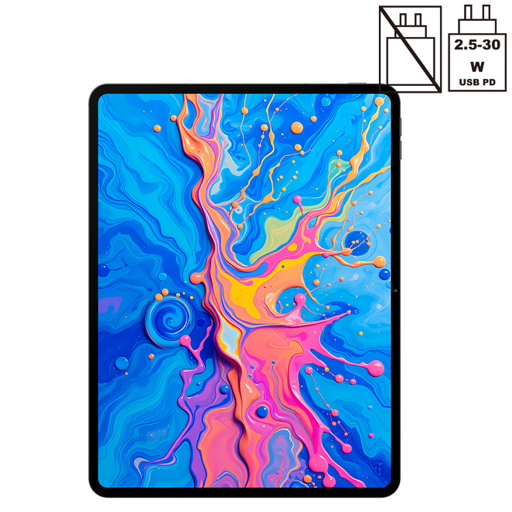 Image unavailable
Consider this Android 15 tablet if you want to draw directly on a self-contained screen. The listing describes a 12.7-inch 2K display, 4,096-level pen pressure sensitivity and an included stylus.
Before choosing it for a bright-window desk, check its stated brightness and screen treatment, and confirm that your preferred Android painting app runs on it.
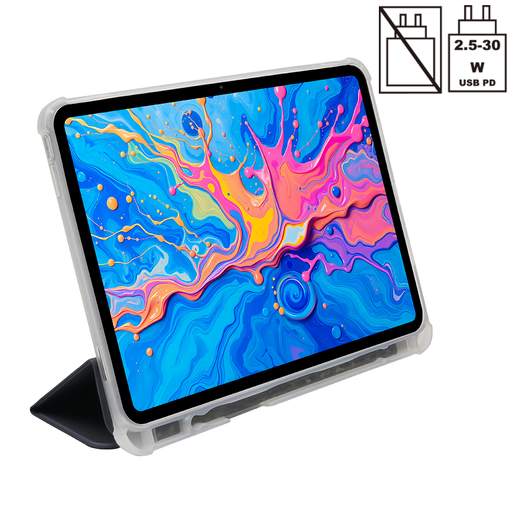 Image unavailable
Consider this standalone tablet if you want a direct-on-screen Android drawing setup and a case in the selected bundle. The listing specifies a 12.7-inch 2K display, 4,096-level pen pressure sensitivity and T-Pen compatibility.
Check whether a compatible stylus is included in the bundle. Also confirm the display’s brightness and screen treatment, and whether your preferred Android painting app is compatible.
No: deal with direct reflections before relying on display specifications. The Health and Safety Executive advises arranging the desk and screen to avoid glare or bright reflections; brightness and surface treatment are additional factors when you choose a device.
Not if the screen still catches a strong direct reflection. The cited Wacom, Huion and XPPen pen displays specify anti-glare surfaces or film, but that does not establish equal bright-room performance. Check the exact model’s brightness specification where available and whether you can position its screen away from the reflection.
A connected pen display or screenless pen tablet needs a compatible computer, while an iPad Pro is a standalone tablet computer. For a Cintiq, Kamvas or Artist display, check the computer and cable requirements; for a screenless Intuos Pro, you will also need a separate display.