For a computer-based comic-lettering desk with few spare sockets, start with a Bluetooth pen tablet if you can draw while watching your monitor: it removes the permanent tablet connection but still needs charging. Choose a pen display if writing directly on the visible canvas matters more and your computer meets its video and power requirements; a battery-powered Android tablet is another direct-on-screen option if your lettering app and pen setup suit it.
Who each setup suits
Comic letterers short of desk connections
If you letter on a computer and want fewer permanent cables, a Bluetooth pen tablet is a sensible starting point. You still need to plan for charging and check that the exact model and computer can connect wirelessly.
Letterers who rely on shortcuts
If you frequently zoom, undo, change brush size or pan around a page, consider programmable keys or dials before paying attention to whether the tablet has a screen. Huion lists these controls on the Inspiroy Dial 2, while Clip Studio identifies the commands as common drawing shortcuts.
Letterers who want to draw on the visible page
A pen display lets you place strokes on the canvas you are looking at, but its connection requirements matter in a socket-limited workspace. For single-cable use with the Huion Kamvas 13, check your computer’s USB-C video and data support as well as its ability to supply power.
What matters when choosing
Bluetooth pen tablet
Choose it when: Avoiding a permanent tablet cable matters most and you are comfortable drawing on a separate surface while watching your monitor.
Trade-off: The tablet needs charging, and wireless use depends on a compatible computer connection.
Computer-connected pen display
Choose it when: Placing lettering directly on a screen matters more than keeping connections simple.
Trade-off: A one-cable setup depends on the display and computer ports; an alternative cable arrangement may need a separate power connection.
Battery-powered Android tablet
Choose it when: You want to letter directly on a tablet screen and your intended app and pen work with the exact device.
Trade-off: Check the pen bundle and drawing-session battery life rather than assuming a compatible pen or all-day unplugged use.
For comic lettering with limited sockets, decide which of these needs comes first; the checks below then help narrow down the exact setup.
| Concern |
What to check |
Who this matters to |
| Fewer permanent connections |
Confirm Bluetooth on the exact pen-tablet variant, computer compatibility and how the tablet charges. |
If spare sockets and desk connections are scarce, I want to keep the tablet cable out of the way during lettering. Around 36% of consumers put connection minimisation first. |
| Quicker access to commands |
Compare programmable keys or dials and check driver support for your operating system and lettering software. |
When I repeatedly zoom, undo and move around a comic page, reaching those commands matters more to me than drawing on a screen. Shortcut access is the primary need for around 29% of consumers. |
| Drawing on the visible canvas |
For a one-cable Kamvas 13 setup, check USB 3.1 Gen 1 data, DisplayPort 1.2 video and sufficient power from the computer. |
I prefer to place lettering directly alongside the artwork, even if that makes my connection setup more demanding. Around 21% of consumers prioritise direct-on-screen placement. |
| A straightforward first setup |
Check the tablet’s size, operating-system compatibility and any registration or eligibility terms for bundled software. |
If I am starting digital comic lettering, I would rather establish a workable screenless setup before adding another display. A simpler starting arrangement comes first for around 14% of consumers. |
Mistakes to avoid
-
Assuming any USB-C port will run a pen display through one cable
A matching connector does not establish the video, data and power capabilities needed by the display. Huion specifies USB 3.1 Gen 1 data and DisplayPort 1.2 video support for the Kamvas 13 USB-C connection.
Check the specification for your computer’s particular port before planning a one-cable setup.
Depending on the available ports and power, a different cable arrangement or an additional power connection may be necessary.
-
Treating wireless use as cable-free at all times
Bluetooth can remove a pen tablet’s permanent connection during use, but a battery-powered tablet still needs charging.
Compare the stated battery life and charging requirements, and check whether your computer has a suitable Bluetooth connection.
Allow time to recharge between sessions; a computer without suitable Bluetooth may need another compatible connection method.
-
Choosing a display when the bottleneck is command access
Drawing directly on a screen does not, by itself, put zoom, undo or brush-size controls closer to your drawing hand. Clip Studio’s shortcut guidance identifies these as frequent drawing actions.
Compare mappable keys and dials, then check whether your lettering software supports the commands you want to assign.
-
Assuming every model in a range has Bluetooth
Wacom lists Bluetooth for selected Intuos variants, not as a feature of every Intuos tablet. Its comic-oriented software offer also has registration and compatibility conditions.
Check the full model name, connection method and current software terms for the particular variant you intend to buy.
Brands to consider for these setups
Wacom
Wacom’s Intuos range includes screenless pen tablets for computer-based comic lettering. Its UK product information lists Bluetooth variants and a Clip Studio Paint Pro offer aimed at comic and manga users.
- Selected Intuos models offer Bluetooth, which can reduce permanent tablet cabling during use.
- Confirm Bluetooth on the exact variant and check the offer’s registration terms and operating-system compatibility.
Huion
Huion provides two distinct routes here: the screenless Bluetooth Inspiroy Dial 2 and the direct-on-screen Kamvas 13.
- Huion specifies Bluetooth 5.0, up to 18 hours of Bluetooth-mode use, two dials and six programmable keys for the Inspiroy Dial 2.
- Kamvas 13 single-cable use requires a compatible host USB-C connection; its 3-in-1 arrangement may need a separate power connection.
XPPen
XPPen’s Deco Pro (Gen 2) is a screenless Bluetooth option for lettering on a computer monitor while drawing on a separate tablet.
- XPPen specifies Bluetooth 5.0 and at least 10 hours of battery life for the Deco Pro (Gen 2).
- Check the exact size and included controls before choosing a variant; the stated battery life is a manufacturer specification.
Joybuy products for on-screen drawing
These TECLAST ArtPad Pro tablets are battery-equipped, direct-on-screen options for comic lettering. Before choosing either one, check that your intended lettering app and pen arrangement fit your workflow; they are not the Bluetooth pen tablets or computer-connected pen displays discussed above.
 No image available
TECLAST ArtPad Pro 2025 Edition, 12.7-inch, with stylus
Consider this variant if you want to place lettering on the tablet screen and need a stylus in the listed bundle. Its stated features include a 12.7-inch 2K display, 4096-level pressure sensitivity, a 10,000mAh battery and Android 15.
Check that your intended comic-lettering app works on the device, and confirm drawing-session battery life if you plan to work away from a socket.
View on Joybuy
 No image available
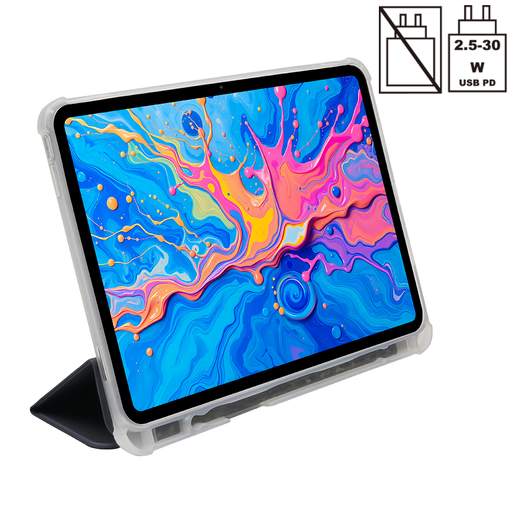
TECLAST ArtPad Pro 12.7-inch, T-Pen compatible, with case
This variant suits direct-on-screen lettering if its T-Pen compatibility and your intended app meet your needs. The listing states a 12.7-inch 2K display, 4096-level pressure sensitivity, a 10000mAh battery and an included case.
Confirm whether a T-Pen is included or needs to be obtained separately. Check app compatibility and drawing-session battery life before relying on it for unplugged work.
View on Joybuy
Common questions
Can a Bluetooth drawing tablet avoid using another plug socket?
It can keep the tablet-to-computer connection wireless during use, but a battery-powered model still needs charging. Huion states up to 18 hours of Bluetooth-mode use for the Inspiroy Dial 2, while XPPen states at least 10 hours of battery life for the Deco Pro (Gen 2); plan around the charging needs of the exact model.
Will a USB-C pen display work with just one cable?
Not with every computer. Huion specifies that the Kamvas 13 needs USB 3.1 Gen 1 data and DisplayPort 1.2 support for its USB-C connection; its 3-in-1 connection uses HDMI and USB connections, and a separate power source may be necessary if the computer cannot supply enough power.
Which controls should I look for when lettering comics?
Look for controls you can map to actions you repeat, such as zoom, undo, brush-size adjustment and panning. Huion specifies two dials and six programmable press keys on the Inspiroy Dial 2; check that its driver and your lettering software support the assignments you want.


