Detail-led landscape painters
If you work on fine foliage, distant features and controlled edges, an on-screen workspace lets you place the pen over the image. Compare its display detail and usable drawing area, not just its diagonal size.


Choose a pen display if you want to place the stylus directly on your landscape artwork; choose a non-display pen tablet if you are comfortable drawing while looking at a separate, suitable monitor. For either setup, check the working area, drawing angle and compatibility with your computer and software. Colour modes matter particularly when you need a managed workflow for print or client work.
If you work on fine foliage, distant features and controlled edges, an on-screen workspace lets you place the pen over the image. Compare its display detail and usable drawing area, not just its diagonal size.
For portfolio, client or print-facing landscapes, documented colour modes and calibration information help you plan a colour-managed workflow. Huion, for example, lists selectable colour modes for the Kamvas 16 (Gen 3); the chosen mode still needs to suit your intended output.
If space is tight or you move between workspaces, weigh a compact pen display against a non-display tablet used with an existing monitor. Account for the complete setup, including its cables and drawing position.
Choose it when: placing strokes directly over terrain and small details matters most to you.
Allow for: desk space and the host-device connections and power required by the exact model.
Choose it when: you want to draw using a suitable monitor you already have, without placing a second screen on the desk.
Allow for: drawing on the tablet while looking at that separate screen.
| Concern | Buying checks | Who this matters to |
|---|---|---|
| On-screen detail | Compare the exact model’s display resolution and active area; check its surface and drawing angle. | I want to place fine strokes directly on foliage, rocks and distant edges without looking away from the image. Around 33% of consumers put direct detail work first. |
| Colour workflow | Check the available colour modes and calibration information against your software and intended output. | For print-facing or client landscapes, I need to make deliberate choices about skies, lighting and colour output. Colour handling comes first for around 25% of consumers. |
| Workspace and posture | Measure usable desk space and compare the supplied feet or stand; for a pen tablet, assess your monitor position too. | My painting setup has to fit a small desk or travel with me without making the drawing position awkward. Around 25% of consumers prioritise workspace and posture. |
| Device connection | Check your host device’s display-output ports, cable requirements, power arrangement and supported operating system. | I need the display to work with my current computer or Android device before its drawing features matter. Connection certainty is the leading concern for around 17% of consumers. |
For Huion Kamvas 16 (Gen 3), Huion Support specifies USB 3.1 Gen 1 and DP 1.2 support for its USB-C-to-USB-C connection. Inadequate power can cause flickering or no signal.
Check your host device’s port, the cable and the display’s power requirements against the exact connection instructions before ordering.
A different cable or connection arrangement may be necessary if your existing setup does not meet those requirements.
Pressure figures describe particular pen systems, not overall landscape-painting quality. XPPen notes that some of its performance figures come from laboratory simulations and may vary with the operating environment.
Decide whether you want direct or indirect drawing, then compare the usable area, drawing position and input features supported by your preferred software.
Huion lists several selectable modes and a factory calibration report for Kamvas 16 (Gen 3), but choosing a display mode does not automatically align an app, exported file and print process.
Choose a mode for your intended workflow and check how your software and output settings handle colour.
Wacom Intuos Pro (2025) is a non-display pen tablet: you draw on its active area while viewing the result on a separate monitor. Wacom Cintiq 16 instead has an integrated display.
If you choose the Intuos Pro route, assess the monitor you will use and where it will sit relative to the tablet.
Wacom offers both the on-screen Cintiq 16 and the non-display Intuos Pro (2025), making the drawing method the useful starting distinction.
Huion Kamvas 16 (Gen 3) is a pen-display option for buyers comparing on-screen detail and selectable colour modes.
XPPen’s Artist Pro 16 (Gen 2) and Artist 16 (2nd Gen) are distinct display models; compare the exact generation rather than applying one model’s specifications to the other.
These TECLAST ArtPad Pro variants are Android tablets with built-in screens and stated drawing-pen support. They offer a different, self-contained setup from the computer-connected pen displays and non-display tablets discussed above. Check your intended drawing app and pen features before choosing a variant.
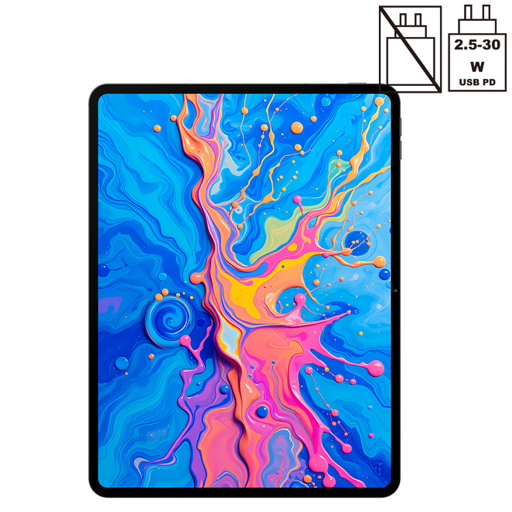 No image available
For painting directly on an Android tablet rather than using a separate computer-connected display. The title lists T-Pen drawing support, 4096 pressure levels and Android 15; check that your intended app supports the pen features you need.
 No image available
For direct-on-screen painting with the listed T-Pen drawing support and 4096 pressure levels. The title advertises an included stylus, but the accessory information differs: confirm the bundle contents and your drawing app’s pen support before ordering.
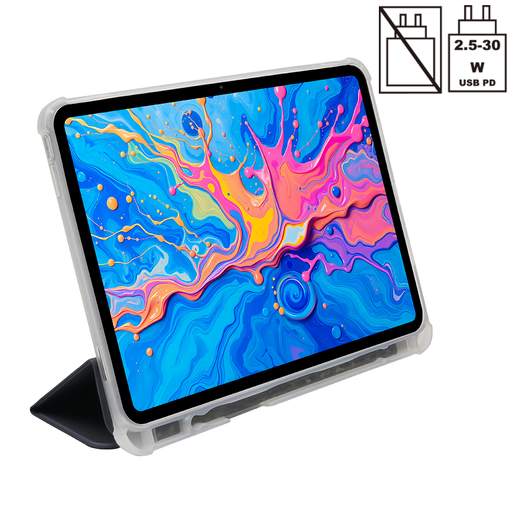 No image available
For on-screen work where the listed case is relevant to your setup. The title states T-Pen compatibility and 4096-level pressure support; confirm whether the pen itself is included and whether your intended app uses its input features.
 No image available
For an Android painting setup where the listed stylus, case and keyboard bundle suits your other work too. The title states a 12.7-inch 2K display and Android 15; check drawing-app compatibility and the pen behaviour you require.
No: a non-display pen tablet can be used with a separate monitor. Choose a pen display if drawing directly on the image matters more; choose the indirect route if you are comfortable using your existing, suitable screen.
Not on its own. XPPen lists 16,384 levels for Artist Pro 16 (Gen 2), while Wacom lists 8,192 for Intuos Pro (2025); these figures do not establish which drawing setup will suit your artwork. Check the surface, working area and how your preferred software handles pen input.
Check the exact display’s requirements against your host port, cable and power arrangement. Huion Support specifies USB 3.1 Gen 1 and DP 1.2 support for USB-C-to-USB-C use with Kamvas 16 (Gen 3); a USB-C-shaped port alone does not establish that it can provide the required display connection.
Contact the seller rather than assuming a manufacturer warranty is your only route. Under section 23 of the UK Consumer Rights Act 2015, where the right to repair or replacement applies, the trader must act within a reasonable time and without significant inconvenience to the consumer. This is a faulty-goods remedy, not a statement about change-of-mind returns.
Check local-authority collection or retailer take-back options for electrical equipment rather than putting the tablet in general waste. GOV.UK describes the Waste Electrical and Electronic Equipment framework as a means of reducing electrical waste through recovery, reuse and recycling.