Hot-desk map illustrators
If you change desks or clear yours regularly, you need room for the tablet alongside a laptop, keyboard and map references, without a lengthy setup each time.


Choose a compact screenless pen tablet when clearing and resetting a shared desk is the priority; choose a pen display when drawing directly on the visible map matters more than saving workspace. Before buying a pen display, check its connection requirements against the office computer and plan where the screen, keyboard and reference material will sit. An Android tablet with a pen is another direct-drawing option, but only if the intended illustration app and file workflow suit it.
If you change desks or clear yours regularly, you need room for the tablet alongside a laptop, keyboard and map references, without a lengthy setup each time.
If placing contours, roads, symbols and labels beneath the pen is central to your workflow, a display-based device is worth considering if the desk can also accommodate its working position and connections.
If you repeatedly change tools or zoom while drawing, assignable physical controls may be useful. Check that the tablet driver and your illustration software support the commands you need.
Choose it when: a small drawing surface and use of your existing monitor make a shared desk easier to clear.
Trade-off: you draw on the tablet while looking at the monitor, rather than at the pen tip on the artwork.
Choose it when: drawing directly over visible map details matters more than keeping the drawing device off the main work surface.
Trade-off: it needs desk space and a compatible video, data and power arrangement; do not assume a USB-C-shaped port permits a single-cable setup.
| Concern | What to check | Who this matters to |
|---|---|---|
| Desk space and setup | Measure the usable space beside your laptop, keyboard and references. For a pen display, check the computer or dock ports against its connection requirements. | I need to pack up after drawing without rearranging the whole desk; around 29% of consumers put workspace and setup simplicity first. |
| Direct drawing and linework | Decide whether you need to see the map beneath the pen. Check pen input in your illustration app and whether the available drawing area suits your work. | When placing small symbols and labels, I want to work directly over the image; direct drawing is the primary need for around 29% of consumers. |
| Viewing and workstation fit | Assess reflections, screen position and room for a stable drawing angle. If colour matching matters, check your software and output workflow rather than relying on gamut figures alone. | Office lighting and the position of a second screen affect how I can work through a session; roughly 24% of consumers prioritise viewing comfort and workstation fit. |
| Portable shortcuts | Check that assignable controls cover your frequent commands, and confirm which pen, cables and stand arrangements the chosen variant includes. | I change tools and zoom often but still need to move between desks; keeping those controls portable comes first for about 18% of consumers. |
A matching connector shape does not establish video support. Huion specifies USB 3.1 Gen 1 data transfer and DisplayPort 1.2 Alt Mode support for the relevant Kamvas 13 (Gen 3) USB-C connection.
Check the exact laptop or dock specification, the display maker’s connection guide and the accessories included with the chosen model.
If that connection route cannot be used, a different cable, adapter or power arrangement may be needed.
A pen display also needs a usable angle and space for the keyboard and references. The UK Health and Safety Executive says workstation assessments should consider equipment, furniture, work conditions and the task.
Lay out the proposed setup at the shared desk, including reflections and laptop position. Where regular display-screen work meets the applicable threshold, ask for the workstation assessment to reflect the changed setup.
A workable position may also call for a stand or a change to the desk arrangement.
Colour-gamut and pen-pressure figures describe stated device characteristics, not how a particular map will look in your software or final output.
Check pen behaviour in the intended app and assess colour through the software, display and output workflow you will actually use.
Relevant if you are considering a compact screenless device such as the Intuos Small, or a 13.3-inch direct-drawing display such as the Wacom One 13 touch.
Relevant to a movable direct-drawing setup through the Kamvas 13 (Gen 3), a 13.3-inch pen display.
Relevant if physical controls are a priority on a compact pen display, particularly the Artist 13.3 Pro V2.
These are Android tablets for drawing on the device’s own screen, rather than screenless pen tablets or pen displays connected to an office computer. Before choosing one for map illustration, check that your intended Android app, pen input and file workflow meet your needs.
 No image available
Consider this on-device drawing option if your map-illustration app works with its T-Pen; check pressure-input behaviour in that app before buying.
The listed variant has a 12.7-inch 2K display, 4,096-level pressure sensitivity, Android 15 and an included stylus.
 No image available
This bundle may suit a desk setup that also needs a keyboard and case; check that its stylus works as intended in your map-illustration app.
The product name lists a 12.7-inch 2K display, Android 15, a stylus, a case and a keyboard.
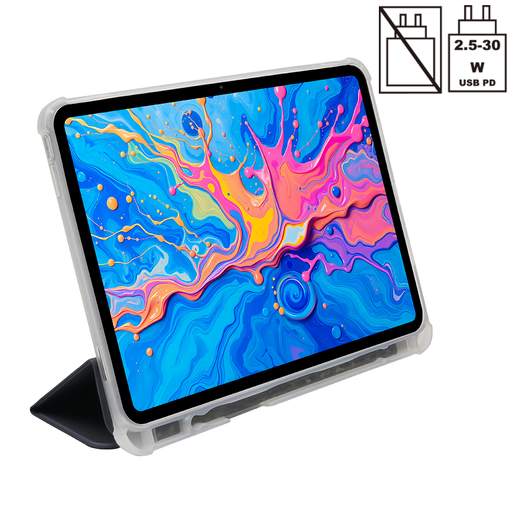 No image available
Consider this variant only after confirming the pen you plan to use, whether it comes with this purchase and how it behaves in your illustration app.
The product name specifies a 12.7-inch 2K display, T-Pen compatibility, 4,096-level pressure sensitivity and an included case; it does not establish that a T-Pen comes in the bundle.
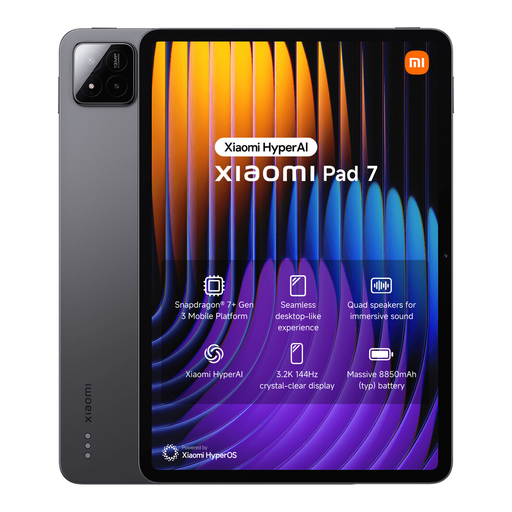 No image available
This tablet is worth checking if you want to draw on its screen with the included Focus Pen; confirm app compatibility and the pen input your map work requires.
The listed variant has an 11.2-inch display, 8GB RAM and 128GB storage. Its suitability for pressure-responsive strokes needs checking in the intended app.
No. A screenless pen tablet lets you draw while viewing the map on your existing monitor, which may suit a frequently cleared desk. Choose a pen display if working directly over the visible artwork matters more to you and its screen and connections fit your workstation.
No. For the Kamvas 13 (Gen 3) USB-C connection, Huion specifies USB 3.1 Gen 1 data transfer and DisplayPort 1.2 Alt Mode support for the computer and cable. Check the exact laptop or dock specification; Huion also documents a 3-in-1 cable route for computers without USB-C.
It does where the worker meets the applicable display-screen equipment threshold. The UK Health and Safety Executive says the regulations apply to workers who use display-screen equipment daily for continuous periods of an hour or more, and that assessment should consider the whole workstation and the job being done.
A manufacturer warranty is not the only consideration: the Consumer Rights Act 2015 covers consumer rights relating to faulty goods, as GOV.UK explains. Keep the order record and model details when contacting the seller; an employer-provided device may instead need to be handled through workplace procurement arrangements.