Small-portion cooks
If you chop a little dried apricot for porridge, snacks or one baking recipe, a compact chopper may fit your routine. Look for a way to stop and inspect the pieces before they become too fine.


For a small portion of dried apricots, start with a mini chopper that has a chopping blade and controllable bursts. Choose a compact or larger food processor if apricots regularly go into bigger, multi-ingredient recipes or you need other preparation functions; match the bowl to your usual batch rather than choosing by motor wattage alone. Whichever size you choose, stop between short bursts to check whether the fruit is still chopped rather than becoming a paste.
If you chop a little dried apricot for porridge, snacks or one baking recipe, a compact chopper may fit your routine. Look for a way to stop and inspect the pieces before they become too fine.
If apricots go into mixtures with other ingredients, consider the space needed for your whole recipe. Magimix publishes an energy-ball recipe that processes 120g of dried apricots with other ingredients using a large metal knife; that recipe does not establish a suitable load for other machines.
If chopping apricots is only one of your preparation tasks, check whether the exact processor and its supplied attachments also cover the slicing, grating, dough or blending jobs you expect to do.
Choose it when: you usually chop a small portion for one recipe and want a less bulky appliance.
Trade-off: a small bowl may mean processing a larger recipe in separate batches.
Choose it when: you also want routine preparation functions beyond chopping, without moving to a large bowl.
Trade-off: extra parts take more space and cleaning than a simple chopper.
Choose it when: apricots are part of recurring larger or multi-ingredient preparation.
Trade-off: the larger bowl and attachment set need more storage and handling; bowl size alone does not establish how well a small apricot portion will chop.
| Concern | What to check | Who this matters to |
|---|---|---|
| Chopped texture | Look for a supplied chopping blade and pulse or moment control so you can stop and inspect the pieces. | If I want pieces rather than a sticky paste, I need to check the texture as I go; around 36% of consumers put texture control first. |
| Batch size | Compare bowl size and any stated working capacity with your usual recipe quantity; they are not dried-apricot load limits. | For a small snack or baking portion, I want a bowl that fits what I normally prepare without unnecessary bulk; around 29% of consumers prioritise batch fit. |
| Other tasks | Check the functions and attachments supplied with the exact model, not just its product family. | When apricots are one ingredient in regular meal prep, I also need the appliance for other preparation jobs; around 21% of consumers make multi-use capacity their priority. |
| Cleaning and handling | Identify which removable parts may go in the dishwasher and follow the blade-handling instructions. | After working with sticky fruit, I want cleaning that fits my routine while handling the blade safely; around 14% of consumers place this need first. |
A motor rating does not tell you whether you can stop at a coarse chop. Bowl size, the supplied blade and the available controls also affect how you manage the task.
Check for a chopping blade and pulse or moment control, then choose a bowl proportionate to your usual recipe.
A headline bowl capacity is not a dried-apricot working limit. Sticky pieces may collect around the blade or bowl sides.
Start with a modest amount and inspect it between short bursts. Switch off and unplug before scraping down the bowl, and divide a larger quantity into batches if needed.
Models and bundles within a processor range can differ, so a pictured attachment may not be part of the variant you select.
Check the exact model code and supplied-items list for the chopping blade, bowl and other tools you need.
If a needed attachment is sold separately, you would have another item to source.
Food-processor blades and discs are sharp, including when you remove them for cleaning.
Wait for movement to stop and unplug before disassembly or cleaning. While processing, use the supplied pusher rather than putting hands or utensils into the bowl.
Kenwood GB lists options spanning a small chopper, a compact processor and a larger processor-and-blender system.
Bosch GB lists the MultiTalent 3 MCM3501MGB as a mid-size option with several preparation functions.
Magimix UK offers a Mini Plus and larger food-processor models for different preparation volumes.
These choices include larger multi-function processors, electric choppers and a compact manual option. For dried apricots, compare their controls and instructions as well as their bowl sizes; a stated capacity does not establish a suitable dried-fruit load.
 No image available
Consider this processor if chopping apricots is one part of larger, multi-task preparation.
The listed 3L bowl, variable speed and pulse control give you capacity and a way to stop between bursts. Check the exact supplied chopping attachment and the manual's guidance for your intended ingredients.
 No image available
This model is worth considering if you want a larger bowl for recipes that also involve other preparation tasks.
Its product title lists a 3L bowl and six accessories. Confirm the supplied chopping tool and pulse control for this exact model before relying on it for short bursts.
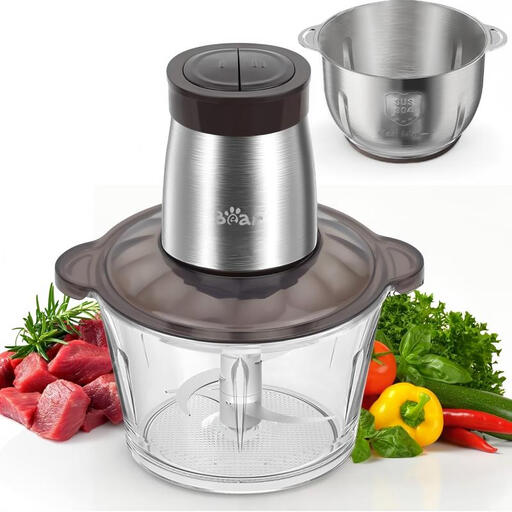 No image available
Consider the two-cup format if you want an electric chopper for different preparation quantities, while checking its instructions before using it for dried apricots.
The title states 2L and 1.8L containers and two speed settings. Check the manual for a suitable dried-fruit load and the correct continuous operating limit; two speeds do not establish pulse control.
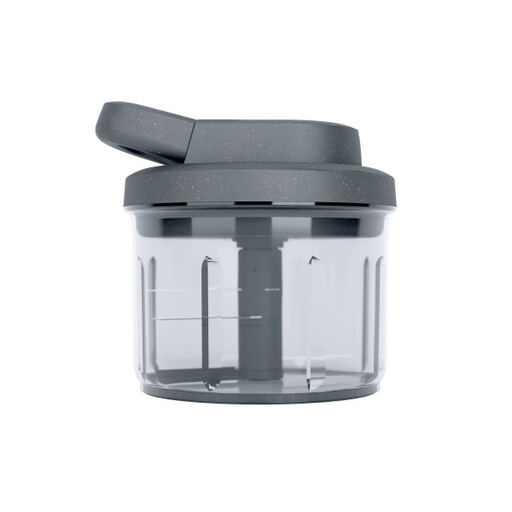 No image available
This manual option may appeal if you usually prepare modest portions and would rather use a hand-operated tool than an electric processor.
Check its instructions for dried-apricot use and load size. The lid requires hand washing.
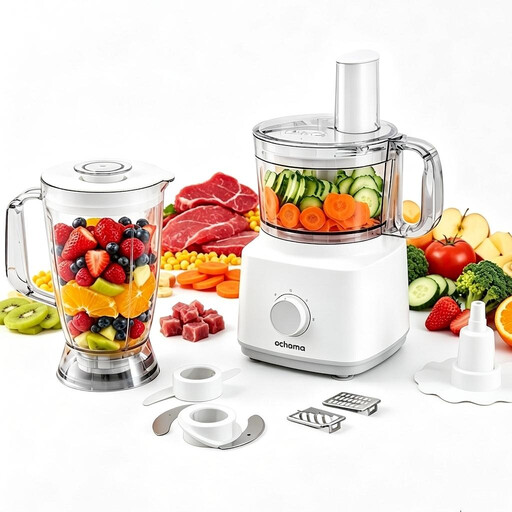 No image available
Consider this size if you want a processor for chopping alongside slicing and grating, provided its controls suit the texture you need.
The stated 1.8L bowl size is not a dried-apricot working capacity. Confirm the supplied chopping attachment, pulse control and ingredient guidance for this model.
Use a suitable chopping blade and short bursts, stopping to inspect the pieces before processing further. Follow your model's instructions for ingredients and load size rather than assuming that a larger bowl or longer run will give the texture you want.
A mini chopper can suit a small recipe portion if its blade and controls fit the task. Kenwood GB lists a 500ml Easy Chop with pulse control, but that bowl figure is not a dried-apricot load limit; use the model instructions and divide larger recipes into batches when necessary.
Switch off, wait for the blade to stop and unplug before removing parts. Check the exact model's instructions for which removable components are dishwasher-safe, and handle the sharp blade carefully during washing.