What should you check?
Start with the amount you will eat, then check whether the rest of your post-exercise snack meets the needs of the session.
| Priority |
What to check |
Your needs |
| Portion and calories |
Compare kcal for the same weight, rather than comparing unlike serving sizes. Check how much is in a small pack or measure a serving from a larger one. The NHS uses 30g as a dried-fruit 5 A Day portion. |
I want to know the calories in the amount I will actually eat, especially if I am taking fruit from a larger bag. |
| Recovery snack |
Check what carbohydrate and protein the full snack provides, and have fluids alongside it. For intense or prolonged exercise, the UK Sports Institute advises a carbohydrate- and protein-rich snack with plenty of fluids. |
After a demanding session, I want something alongside the dried fruit that provides protein, rather than treating fruit alone as the complete snack. |
| Fruit or mix |
Read the ingredients for nuts, sweetened fruit or coatings, then compare energy at the same serving weight. Whitworths lists 133 kcal and 4.1g protein per 30g of its 1DERS Energising Fruit and Nut Mix. |
I may prefer a mix, but I want to see how its ingredients and calories differ from plain dried fruit before choosing it. |
| Eating occasion and allergens |
The NHS advises eating dried fruit at mealtimes. Check the exact pack for sulphites and other relevant allergens; the Food Standards Agency says sulphites are often used in raisins, dried apricots and prunes. |
I want a planned portion rather than repeated handfuls between meals, and I need to check ingredients that matter to me. |
Brand and retailer references
These ranges illustrate different formats to compare; the nutrition and ingredients of one product do not describe an entire range.
Whitworths
Whitworths offers dried fruit as well as fruit-and-nut products. Its 1DERS Energising Fruit and Nut Mix is described by the brand as a post-gym option.
- The 1DERS mix lists 4.1g protein per 30g.
- The same 30g serving lists 133 kcal and contains peanuts and sweetened dried cranberries. The brand's post-gym positioning is not evidence of a recovery effect.
Sainsbury's
Its dried-fruit range includes apricots, prunes, raisins, sultanas and other fruit.
- The SO Organic Dried Apricots product label lists 68 kcal, 15.1g carbohydrate and 0.7g protein per 30g, providing a specific serving to compare.
- Those figures apply to that product. Check the label and availability of the pack you intend to buy.
Tesco
Tesco's dried-fruit category lists options including apricots, mango, dates, prunes, raisins and sultanas.
- Different fruit types and pack formats give shoppers options to compare.
- Check the nutrition panel of the particular product before deciding whether its serving fits your calorie allowance.
M&S
The M&S fruit-snack range lists plain-fruit options alongside products such as chocolate-coated raisins.
- The range allows a comparison between different fruit and mixed or coated formats.
- Do not treat every item in the range as equivalent: check the exact pack's ingredients and nutrition information.
Dried-fruit options on Joybuy
These options include small freeze-dried fruit packs and larger packs of prunes, dates and figs. Compare the amount you plan to eat using each product's pack label; a 10g pack and a 30g portion are not the same serving.
 No image available
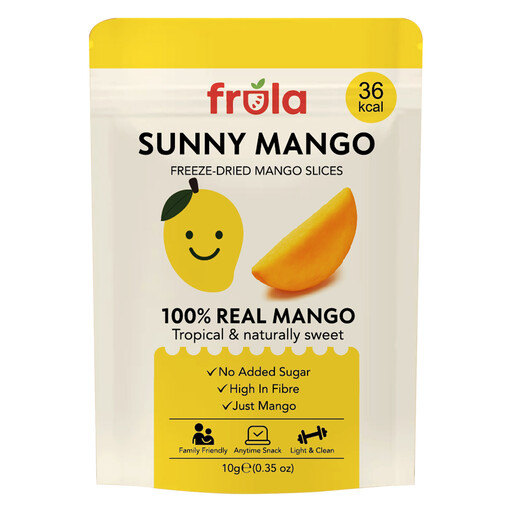
Frula Freeze Dried Mango 10g
The 10g pack gives you a fixed amount to take after exercise without measuring fruit from a larger bag. Check its pack label for kcal per serving and consider the rest of your snack after a demanding session.
View on Joybuy
 No image available
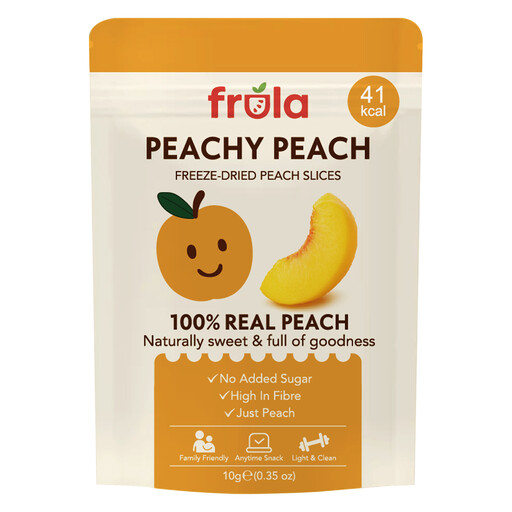
Frula Freeze Dried Peach 10g
This 10g pack offers another fixed-portion freeze-dried fruit option. Compare kcal using the amount you will eat, and include protein and fluids separately if your exercise calls for a more substantial recovery snack.
View on Joybuy
 No image available
J.ZAO Prebiotic Pitted Chilean Prunes 500g
If you prefer prunes, measure the amount you intend to eat from this 500g pack. Check the nutrition panel for sugars and kcal rather than relying on the sugar-free wording in the longer product listing, and review the ingredients if sulphites matter to you.
View on Joybuy
 No image available
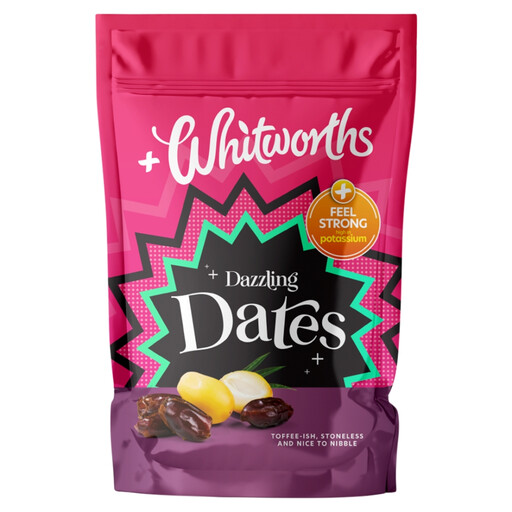
Whitworths Dates 300g
This 300g bag suits a buyer willing to portion dates before eating them. Compare the pack's kcal for your measured serving, rather than using the whole-bag weight to judge a post-workout snack.
View on Joybuy
 No image available
Whitworths Figs 175g
For a fig snack from this 175g bag, set out a measured portion before eating. Use the exact pack's nutrition figures to compare it with other fruit at the same serving weight.
View on Joybuy
Questions about dried fruit after exercise
Can dried fruit fit a modest-calorie post-workout snack?
Yes, depending on the product and the amount you eat. Sainsbury's lists 68 kcal per 30g of its SO Organic Dried Apricots; Kent Community Health NHS Foundation Trust lists 30g of raisins or sultanas at 87 kcal, while Whitworths lists 133 kcal per 30g of its 1DERS fruit-and-nut mix. Compare like-sized servings rather than assuming every format is similar.
Is dried fruit enough on its own after a hard workout?
Do not rely on fruit alone as the complete snack after intense or prolonged exercise. The UK Sports Institute advises a carbohydrate- and protein-rich snack with plenty of fluids as soon as possible; dried fruit can contribute carbohydrate alongside a suitable protein-containing food and a drink.
What portion should I use when comparing dried fruit?
The NHS states that 30g of dried fruit counts as one 5 A Day portion, making 30g a useful common weight for comparing products. Check the amount you will actually eat: a 10g pack is smaller, and a large bag needs portioning.
What should I check on a dried-fruit pack?
Check kcal for a stated weight, then read the ingredients and allergen information for additions such as nuts, sweetened fruit or coatings. Use the exact pack's figures when comparing products, particularly if their suggested serving sizes differ.
Why check dried fruit for sulphites?
Sulphites are relevant if you have a sensitivity or asthma. The Food Standards Agency says they are often used in raisins, dried apricots and prunes, and that people with asthma have a higher risk of reaction. Check the ingredient and allergen information on the product you choose.


