
24/7 Customer Support

Free returns

Same-day & Next-day Delivery

Quality Guaranteed

Unlock Your Welcome Offers: FREE Delivery | Up to 80% OFF | Free 30-day JoyPlus trial
Download the APP
For anyone passionate about creating authentic East Asian cuisine at home, a well-stocked pantry is essential. Alongside soy sauce and sesame oil, dried Asian mushrooms are a cornerstone ingredient, capable of transforming a simple dish with their concentrated flavour and unique textures. However, navigating the different varieties—from the intensely savoury to the delicately gelatinous—can be confusing.
As a Joybuy Product Recommendation Officer, my role is to help you find quality ingredients for your kitchen. This guide is designed to demystify the world of dried mushrooms, offering practical advice and highlighting a few excellent options to help you cook with confidence. We will explore some of the most popular types, what to look for when buying, and how they can elevate your stir-fries, hot pots and soups.
Before adding items to your basket, a little knowledge goes a long way. Here are a few key points to consider when selecting dried Asian mushrooms for your pantry.
Different mushrooms serve different purposes. Knowing the basics will ensure you pick the right one for your recipe.
When buying dried goods, quality is paramount. Look for mushrooms that are largely whole and intact, with a consistent colour and a dry, brittle feel. Avoid packages with excessive dust or broken pieces at the bottom, as this can indicate poor handling. Proper packaging is also crucial; a well-sealed, moisture-proof bag ensures the mushrooms remain fresh and potent until you are ready to use them, making them reliable Asian pantry staples.
To unlock their true potential, all dried mushrooms must be rehydrated. This simple step is vital for achieving the right texture and flavour. A general rule is to soak them in water until they are fully softened. For shiitake, using warm water can speed up the process, and the resulting soaking liquid—a flavourful 'mushroom tea'—is a fantastic addition to stocks and sauces. For wood ear and snow fungus, cold water is often preferred to maintain their distinct textures.
Based on their distinct characteristics and versatility in the kitchen, here are our recommendations for home cooks looking to explore the world of Chinese cooking ingredients.
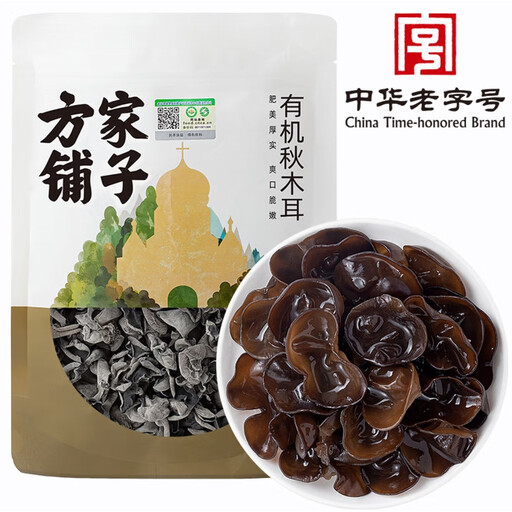
Why It Stands Out: This dried wood ear fungus is notable for its quality. The mushrooms feature thick flesh and a small ear base, which translates to a satisfyingly crunchy and less tough texture after soaking. They have a high rehydration rate, meaning they plump up beautifully, and are processed to be clean with minimal sand or impurities.
Pros:
Who is it for?: This is an ideal choice for cooks who appreciate texture in their food. If you are making classic Chinese salads, hot and sour soup, or want to add a delightful crunch to your vegetable stir-fries, this is a must-have pantry item.
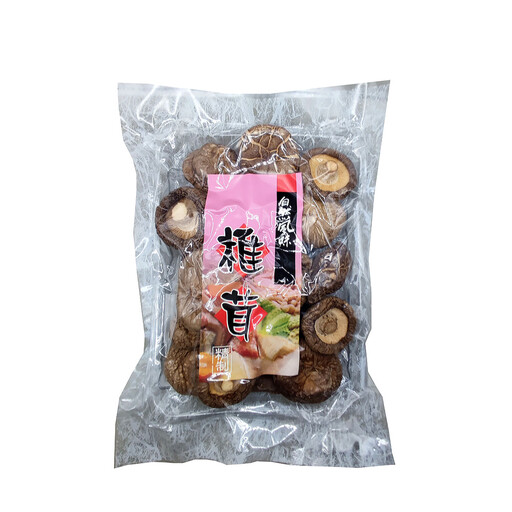
Why It Stands Out: These dried shiitake mushrooms deliver exactly what you want from this variety: a powerful, concentrated umami flavour. The caps are a generous 4-6cm in size with a thick, meaty flesh that provides a substantial and satisfying chew once rehydrated. They are 100% pure mushrooms with no additives, allowing their natural, savoury character to shine.
Pros:
Who is it for?: Essential for any serious home cook of Asian cuisine. If you want to create deeply flavourful broths for noodle soups, rich braised meat or tofu dishes, or simply add a savoury punch to a vegetable stir-fry, these shiitake mushrooms are a fundamental pantry staple.
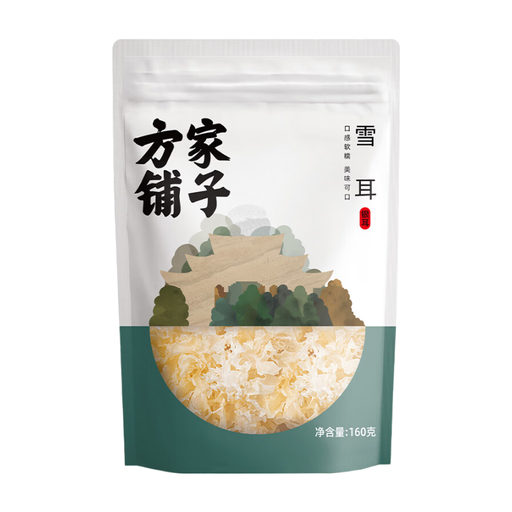
Why It Stands Out: This white fungus (or snow fungus) from Fang Jia Pu Zi is specifically intended for creating traditional nourishing desserts. After soaking, it develops a unique soft and gelatinous consistency. According to the product information, it is an excellent source of dietary fibre. Its delicate nature makes it the perfect vehicle for absorbing the sweet flavours of ingredients like rock sugar, red dates and goji berries.
Pros:
Who is it for?: For those looking to explore the world of Chinese wellness and desserts. If you are interested in making comforting, nourishing sweet soups (tong sui) at home, this is the specific ingredient you need.
Our recommendations cover three of the most popular and versatile types of dried mushrooms, but the selection does not end here. From flower shiitake to other unique fungi, there is always more to discover. If you are searching for a different variety or simply wish to browse our full collection of pantry staples, you can find more choices on our category page.
Explore our complete range of Mushrooms here.
1. Do you need to wash dried Asian mushrooms before soaking? Yes, it is always a good practice to give dried mushrooms a quick rinse under cold running water. This helps to remove any surface dust that may have settled on them during the drying and packing process before you begin soaking.
2. How long do dried mushrooms last? When stored correctly, dried mushrooms have a very long shelf life. Keep them in an airtight container in a cool, dark and dry place, away from direct sunlight and moisture. In these conditions, they can easily last for a year or more. For the most accurate guidance, always refer to the best-before date printed on the product packaging.
3. Can I use the mushroom soaking water? Absolutely, especially when rehydrating dried shiitake mushrooms. The soaking liquid becomes a deeply flavourful, umami-rich broth. Simply strain it through a fine-mesh sieve or a piece of muslin to remove any grit, and you have a fantastic, free flavour base for your soups, stews and sauces.