
24/7 Customer Support

Free returns

Same-day & Next-day Delivery

Quality Guaranteed

Unlock Your Welcome Offers: FREE Delivery | Up to 80% OFF | Free 30-day JoyPlus trial
Download the APP
For any home cook in the UK dedicated to creating authentic East Asian dishes, sourcing the right ingredients is half the battle. While fresh produce is wonderful, the secret to unlocking deep, complex flavours often lies in the pantry. Dried Asian mushrooms are a cornerstone of this, offering an intensity of flavour and a unique texture that fresh varieties simply cannot match.
Navigating the world of dried mushrooms can be confusing, with different types suited for very different dishes. This guide is designed to help you understand the key varieties, what to look for when buying and how to use them to elevate your cooking. We will explore some of the most popular types, from the umami-rich shiitake to the delicate snow fungus, helping you stock your kitchen with versatile and long-lasting Asian pantry staples.
Before adding items to your basket, a little knowledge goes a long way. Here are a few practical tips for selecting high-quality dried mushrooms for your Chinese cooking ingredients collection.
The term "dried Asian mushroom" covers a wide range of fungi, each with a distinct purpose:
When buying online, look closely at the product images and descriptions. High-quality dried mushrooms should appear largely whole and intact, not crumbled into dust. The colour should be consistent for the type—deep brown for shiitake, dark black for wood ear. Good packaging is also crucial; look for sealed, moisture-proof bags or containers that protect the product and ensure a long shelf life.
All dried mushrooms require soaking before use. The method is a key part of the preparation. Learning how to rehydrate dried mushrooms correctly is essential for achieving the right texture and flavour. Most require a simple soak in water, but the time can vary from 20 minutes to several hours. Always check the package for specific instructions.
Based on their versatility, quality and suitability for authentic home cooking, here are our recommendations for building your pantry.
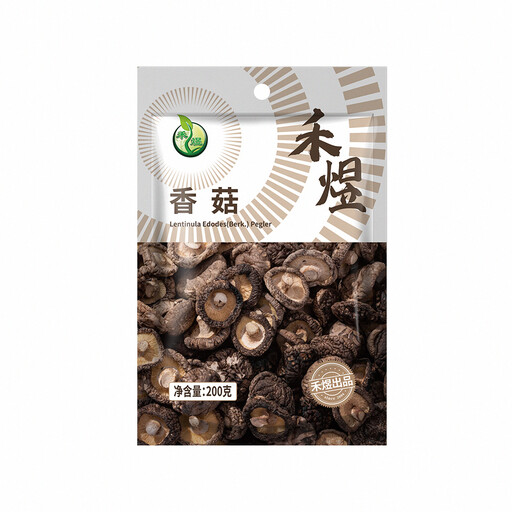
Why It Stands Out: These are classic, whole dried shiitake mushrooms, selected and dried to concentrate their signature umami flavour. Their robust, meaty texture holds up well in slow-cooked dishes, infusing broths and sauces with a deep, savoury character that is difficult to replicate.
Pros:
Who is it for: Anyone looking for a foundational flavour-enhancer for their Asian cooking. It is an essential pantry item for everything from a simple noodle soup to a complex braised dish.
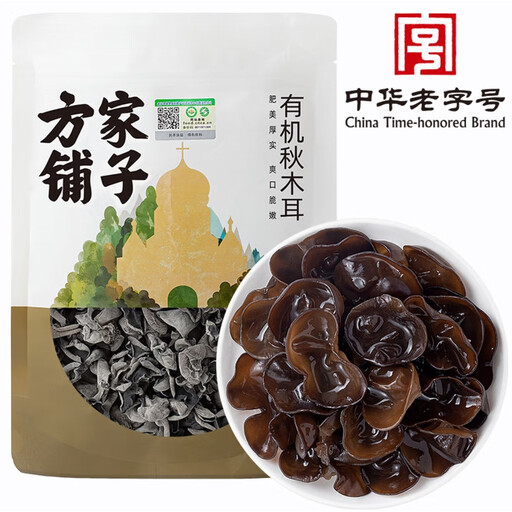
Why It Stands Out: This dried wood ear fungus is noted for its thick flesh and high rehydration rate, meaning you get a plump, substantial texture after soaking. It is a clean product with minimal impurities, making preparation straightforward. Its ability to absorb flavour makes it a fantastic textural component.
Pros:
Who is it for: Home cooks who love adding interesting textures to their dishes. It is perfect for those making authentic Sichuan-style salads, hot pot or classic stir-fries like moo shu pork.
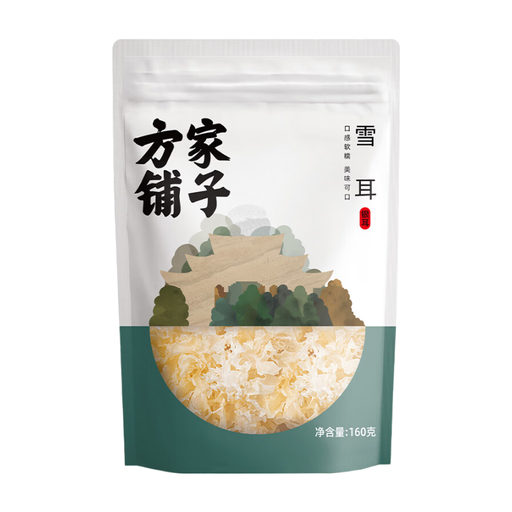
Why It Stands Out: Also known as snow fungus or tremella, this mushroom is the star of many traditional Chinese sweet soups (tong sui). This product from Fang Jia Pu Zi is selected to provide the ideal gelatinous texture when stewed. It is a unique ingredient focused entirely on creating nourishing and comforting desserts.
Pros:
Who is it for: Anyone interested in exploring the world of Chinese desserts and wellness soups. It is the go-to ingredient for creating authentic, soothing sweet dishes at home.
The world of dried fungi is vast and fascinating. If you're exploring more specialised or regional varieties, our curated collection of Yunnan mushrooms offers a wider selection of unique flavours and textures. Discover more options to elevate your culinary creations.
1. How do you properly rehydrate dried mushrooms? The general method is to first give the mushrooms a quick rinse under cold water to remove any surface dust. Then, place them in a bowl and cover them with warm (not boiling) water. Let them soak until they are fully plump and softened—this can take 20 minutes for shiitake or several hours for dense wood ear fungus. Once rehydrated, trim off any tough, woody stems before cooking.
2. What is the main difference between wood ear and shiitake mushrooms? The primary difference is their role in a dish. Dried shiitake mushrooms are used for their powerful, meaty and umami-rich flavour. They are a flavour agent. Dried wood ear fungus, on the other hand, is used for its texture. It has a very mild taste but provides a unique, crunchy-chewy quality that absorbs the flavours of the dish it is in.
3. How long do dried Asian mushrooms last? When stored correctly, dried mushrooms are an incredibly long-lasting pantry staple. Keep them in an airtight container in a cool, dark and dry place, away from direct sunlight and moisture. Stored this way, they can easily maintain their quality for a year or even longer, making them a reliable and economical ingredient to have on hand.