
24/7 Customer Support

Free returns

Same-day & Next-day Delivery

Quality Guaranteed

Unlock Your Welcome Offers: FREE Delivery | Up to 80% OFF | Free 30-day JoyPlus trial
Download the APP
Finding the right ingredients for quick, satisfying and wholesome meals can be a challenge. A well-stocked pantry is your greatest ally, and few items offer the versatility of dried Asian noodles. From a comforting soup on a chilly evening to a speedy stir-fry after a long day, the right noodle can transform a few simple ingredients into a delicious dish.
However, with so many options available—from thick and chewy udon to nutty buckwheat soba—choosing the right one can feel overwhelming. This guide is designed to help you understand the key differences between popular types of dried Asian noodles and identify suitable options for your culinary needs, whether you're a health-conscious cook or simply looking for convenient pantry staples.
Before we look at specific products, here are a few practical points to consider when you're browsing the aisle.
The type of noodle dictates its texture and how it behaves in a dish. Three of the most common Japanese noodles you'll find are:
For those mindful of their diet, the nutritional label offers valuable insight. Many dried noodles are naturally low in fat, but it's always worth checking. Look for non-fried noodles as a lighter alternative to the deep-fried blocks common in many instant noodle products. If you're seeking higher fibre content, options like buckwheat noodles are an excellent choice. Pay attention to the ingredients list, especially if you have allergies or dietary preferences.
Consider what you plan to cook. Are you making a quick noodles for stir fry? A thinner, resilient noodle like ramen might be ideal. Are you simmering a rich, flavourful soup? The thick, absorbent quality of udon would be perfect. For a light and refreshing summer salad, the distinct flavour of soba works beautifully. Having a couple of different types in your pantry ensures you're always ready for any recipe.
Based on their ingredients, nutritional profile and versatility in the kitchen, here are some standout options to consider for your pantry.
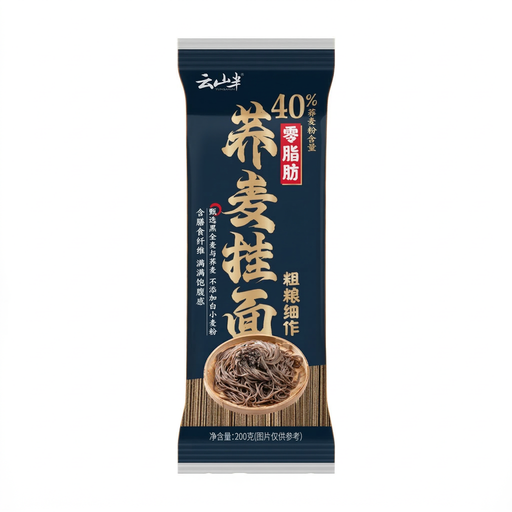
Why It Stands Out: These noodles are specifically formulated for the health-conscious consumer. With 0g of fat and a significant 40% buckwheat flour content, they offer a more nutritionally balanced profile compared to standard wheat noodles, providing a good source of dietary fibre.
Pros:
Who is it for?
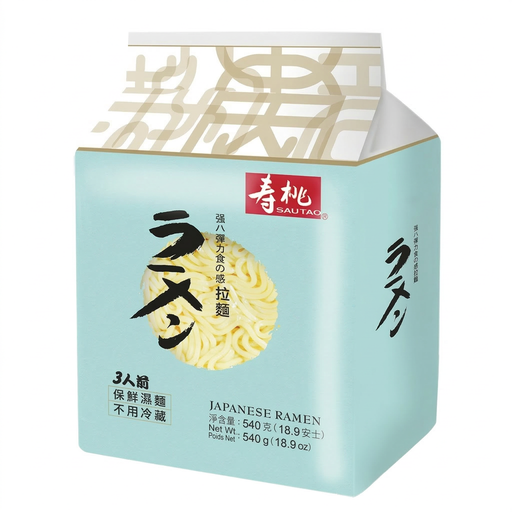
Why It Stands Out: These are classic non-fried noodles that deliver an authentic ramen experience. They have the firm, smooth texture you'd expect from restaurant-quality ramen, making them a superb base for creating your own Japanese-inspired dishes at home. The very low fat content (0.5g per 100g) is a significant plus.
Pros:
Who is it for?
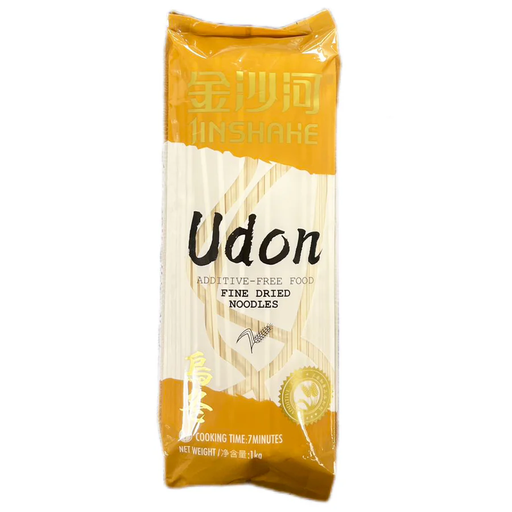
Why It Stands Out: For lovers of thick, chewy noodles, this product delivers. These dried udon noodles have an excellent, substantial texture that is brilliant at soaking up the flavours of rich broths and sauces. The large 1kg pack size offers great value and makes it a practical pantry staple for families or anyone who cooks with udon regularly.
Pros:
Who is it for?
The world of dried noodles extends far beyond these three popular types. From delicate rice vermicelli to broad, flat noodles perfect for specific regional dishes, there is a noodle for every recipe and preference.
If you'd like to explore a wider variety, feel free to browse our full collection.
1. Are dried Asian noodles a healthy choice? Many dried Asian noodles can be part of a healthy diet. Opting for non-fried noodles significantly reduces fat content. Varieties like buckwheat noodles (soba) offer more fibre and nutrients than those made purely from refined wheat. As with any food, portion control and the ingredients you pair them with—such as fresh vegetables and lean proteins—are key to creating a balanced meal.
2. What is the main difference between ramen, udon and soba noodles? The primary differences are in their ingredients, thickness and texture. Ramen is a thin, springy wheat noodle, perfect for broths. Udon is a very thick, soft and chewy wheat noodle, ideal for hearty soups. Soba is made from buckwheat flour, giving it a nutty flavour, a slightly rougher texture and a brownish-grey colour.
3. How should I store dried noodles to keep them fresh? Dried noodles are excellent pantry staples because they have a long shelf life. To maintain their quality, store them in a cool, dry place away from direct sunlight and moisture. Once a package is opened, it's best to store the remaining noodles in an airtight container to prevent them from absorbing humidity or odours from other foods.