
24/7 Customer Support

Free returns

Same-day & Next-day Delivery

Quality Guaranteed

Unlock Your Welcome Offers: FREE Delivery | Up to 80% OFF | Free 30-day JoyPlus trial
Download the APP
Walking down the noodle aisle, or browsing online, can be overwhelming. The sheer variety of dried Asian noodles is vast, with packets from China, Korea and Japan all vying for a spot in your pantry. For UK home cooks wanting to recreate an authentic dish, choosing the right noodle is the difference between a culinary success and a disappointing, mushy meal. As a Joybuy Product Recommendation Officer, my role is to help you navigate this choice with clarity.
Many shoppers fall into a few common traps. The first is choosing a noodle that isn't robust enough for the intended dish. A delicate, thin noodle designed for a light broth will turn to mush in a rich, simmering hot pot. Another frequent misstep is being swayed by packaging that promises an "authentic" or "handmade" style without understanding what the noodle's core ingredients and shape are suited for. This can lead to a texture that clashes with your sauce or soup base. Finally, many overlook the ingredient list, missing the opportunity to select noodles with a specific flavour profile, like the nutty taste of buckwheat, or to avoid unwanted additives.
To ensure you buy the right dried Asian noodles online, focus on a few core parameters rather than just the marketing claims on the front of the pack.
The physical form of the noodle is arguably the most critical factor. It dictates how it interacts with sauces, its cooking time and its final texture.
The flour used to make the noodle defines its flavour, texture and even its colour.
To help you match the right product to your kitchen needs, here are a few recommendations based on common cooking profiles.
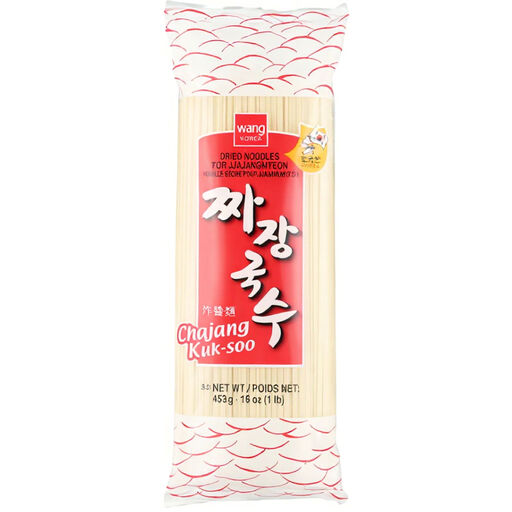
Why This Fits Their Persona: For those aiming to perfect the classic Korean-Chinese dish, Jajangmyeon, these noodles are the ideal foundation. Their thickness and chewiness are specifically designed to hold the rich, savoury black bean sauce without becoming limp or lost.
This avoids the "wrong texture" pitfall. Using a generic noodle can result in a disappointing meal, but these are purpose-built to provide the authentic, satisfying chew required for Jajangmyeon.
Made with simple, high-quality ingredients (wheat flour, salt, water), providing a clean and authentic base for your sauce. They are also versatile enough for other thick-sauce dishes.
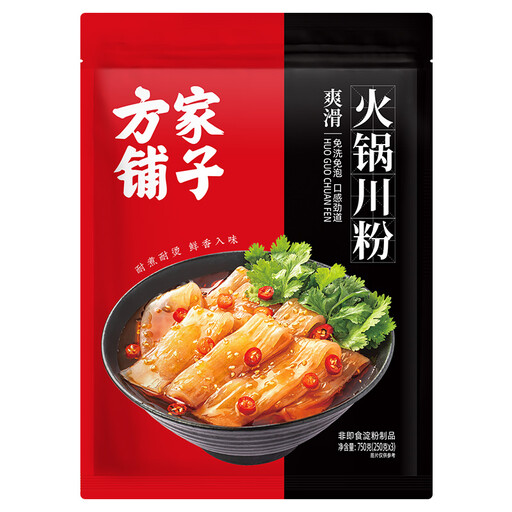
Why This Fits Their Persona: Perfect for those who love communal dining around a bubbling Sichuan hot pot. These wide, flat noodles are made from sweet potato starch, giving them a uniquely chewy, almost glassy texture that holds up exceptionally well in simmering broth.
It directly solves the "mushy noodle" problem in hot pot. Unlike wheat noodles that can disintegrate, these are designed for prolonged cooking, absorbing the spicy broth while retaining their satisfying chew.
Made from just sweet potato starch and water, they are gluten-free. The convenient multi-pack (3 x 250g) allows for easy portioning for multiple meals or gatherings.
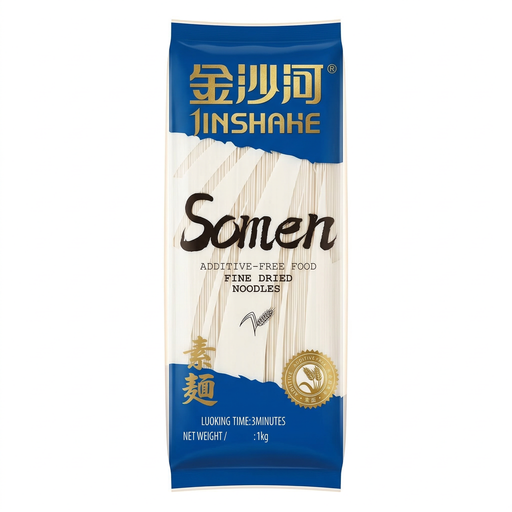
Why This Fits Their Persona: An excellent pantry staple for families or anyone seeking value and versatility. This large 1kg pack of thin wheat noodles is a reliable base for countless quick and easy meals, from simple noodle soups to light stir-fries or side dishes.
This choice avoids the trap of buying an overly specialised noodle that sits unused. Its all-purpose nature means it's always ready for a quick weeknight dinner, making it a practical and economical choice.
Features a very quick cooking time of 3-5 minutes. The large family-size pack offers great value for money, ensuring your pantry is well-stocked for many meals to come.
We have compiled a complete, real-time list of products that fully satisfy these strict selection criteria and UK safety regulations.
While there is huge variety within both cuisines, some general distinctions can be made. Many popular Chinese noodles are wheat-based and prized for their 'Q' or springy, bouncy texture, with a wide range of shapes from thin to broad. Korean noodles also feature many wheat varieties like those for jajangmyeon and udon-style soups, but also prominently include noodles made from other ingredients like buckwheat (for naengmyeon) and sweet potato starch (for japchae), which offer very distinct textures and flavours.
There are two key steps. First, use a large pot with plenty of boiling water. This gives the noodles room to move and prevents the concentration of starch that causes clumping. Second, for many noodle types (especially those for stir-fries or cold dishes), it is helpful to rinse them under cold water immediately after draining. This washes away excess surface starch and stops the cooking process, preserving a chewier texture.
Generally, yes. Noodles designated as noodles for stir fry are usually robust enough to hold their shape and texture in a soup. They tend to be medium-thickness wheat noodles that cook relatively quickly. However, very thin noodles designed for a quick soup might not be suitable for a vigorous stir-fry, as they could break apart easily. Always check the noodle's thickness and recommended cooking time as a guide.