
24/7 Customer Support

Free returns

Same-day & Next-day Delivery

Quality Guaranteed

Unlock Your Welcome Offers: FREE Delivery | Up to 80% OFF | Free 30-day JoyPlus trial
Download the APP
For many home cooks in the UK, exploring the rich flavours of East Asian cuisine means sourcing authentic ingredients. One of the most versatile and satisfying staples you can add to your pantry is dried bean curd. Known by many names—including tofu skin, yuba or fuzhu—this simple soybean product is a cornerstone of Chinese cooking, prized for its unique texture and ability to absorb flavour.
Whether you're planning a bubbling hot pot, a savoury stir-fry or a hearty vegetarian stew, choosing the right type of dried bean curd can make all the difference. This guide is designed to help you understand the different forms available and select a product that suits your culinary needs.
Navigating the options can seem daunting at first, but a few key points can simplify your choice. Here’s what to consider when you're ready to buy.
The most common forms of dried bean curd are sticks and sheets, and each offers a distinct texture and use.
The success of your dish often depends on using the right ingredient for the job.
High-quality Chinese bean curd should have a minimal ingredient list, typically just soybeans and water. This simplicity ensures a pure, nutty flavour that serves as a blank canvas for your cooking. It's also a fantastic source of vegetarian protein, making it a valuable addition to plant-based diets.
Based on their features and suitability for different dishes, here are our recommendations to help you get started.
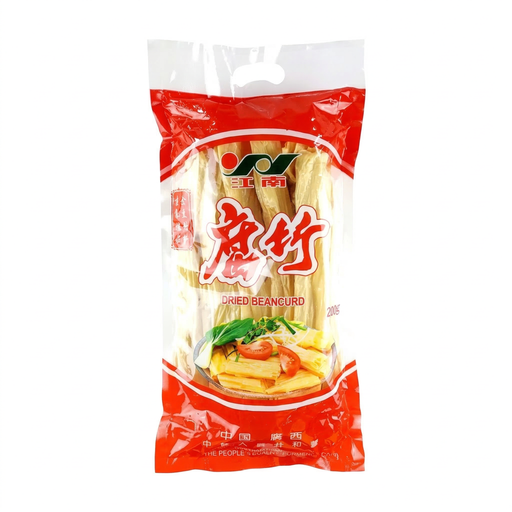
Why It Stands Out: This is a classic example of the traditional bean curd stick, or fuzhu. It delivers a rich soybean aroma and a satisfyingly smooth yet firm texture after soaking, making it a reliable all-rounder for many Chinese recipes.
Pros:
Who is it for: Home cooks seeking a traditional, versatile bean curd stick for classic dishes like stir-fries, braises and hearty vegetarian meals.
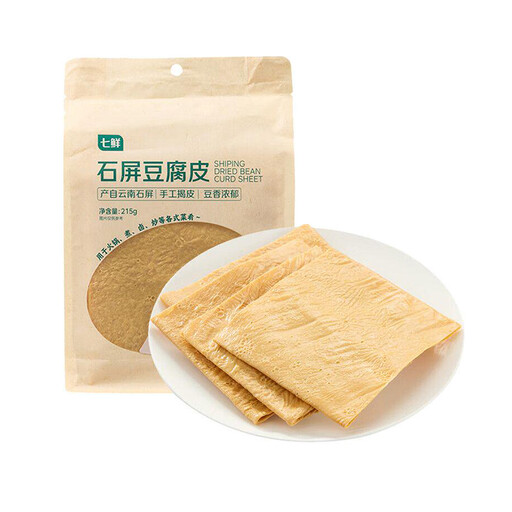
Why It Stands Out: These are thin tofu skin sheets made using a traditional Shiping technique. They offer a more delicate texture compared to sticks and rehydrate much faster, making them a convenient option for quicker meals.
Pros:
Who is it for: Cooks who need a faster-cooking option or require delicate sheets for specific recipes, such as vegetarian spring rolls, layered salads or as a tender addition to soups.
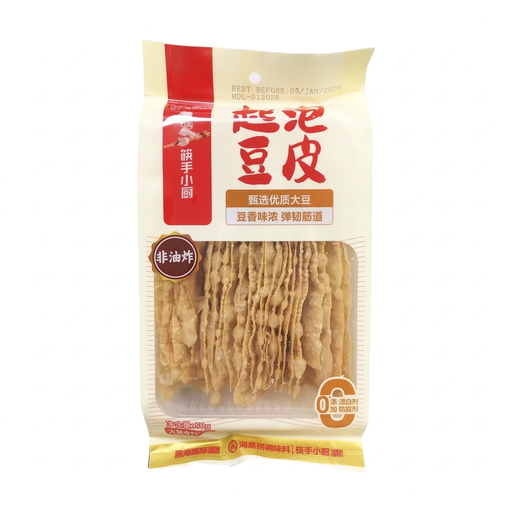
Why It Stands Out: This product is specifically designed for hot pot by the renowned restaurant chain Haidilao. According to the brand, it is made with a unique puffing process that creates a porous structure, allowing it to absorb broth almost instantly.
Pros:
Who is it for: Hot pot enthusiasts looking for convenient and high-quality hot pot ingredients that deliver a unique texture and absorb flavour rapidly.
If our top picks don't quite match what you're looking for, or if you're curious about other varieties of Chinese bean curd, there are many more to discover. From different shapes to regional specialities, you can find a wider selection to suit any recipe.
Explore our full range of dried bean curd products.
Most dried bean curd requires rehydration before cooking. The general method is to soak it in warm water until it becomes pliable and fully softened. For thick sticks (fuzhu), this can take 30–60 minutes. For thinner sheets, 20–30 minutes is often sufficient. Once softened, drain the water and cut the bean curd into suitable lengths for your recipe. Some specific products, like puffed tofu skin for hot pot, may not require pre-soaking.
On its own, dried bean curd has a mild, nutty and savoury flavour from the soybeans. Its greatest strength is its porous texture, which acts like a sponge, absorbing the flavours of the sauces, broths and seasonings it is cooked with. This makes it incredibly versatile. The texture can range from chewy and dense (sticks) to soft and layered (sheets), depending on the type and preparation.
Dried bean curd is a popular plant-based food valued for being a significant source of vegetarian protein. It is naturally low in carbohydrates and contains nutrients found in soybeans. As with any food, it is best enjoyed as part of a balanced diet. For specific nutritional values, such as protein and fat content, it is always advisable to check the information on the product packaging.