
24/7 Customer Support

Free returns

Same-day & Next-day Delivery

Quality Guaranteed

Unlock Your Welcome Offers: FREE Delivery | Up to 80% OFF | Free 30-day JoyPlus trial
Download the APP
Dried bean curd is a wonderfully versatile staple in East Asian cookery. Known by many names—including yuba, tofu skin and fu zhu—this plant-based ingredient offers a satisfyingly chewy texture and a remarkable ability to absorb the flavours of broths and sauces. It’s a fantastic source of protein for home cooks, especially those following vegetarian or vegan diets.
However, navigating the options available online can be tricky. Many UK shoppers find themselves disappointed when their chosen product either turns to mush in a hot pot or remains stubbornly tough after hours of soaking. To help you make a better choice, we've identified two common pitfalls to watch out for when buying dried bean curd.
By paying attention to a few key details, you can easily avoid these issues and find the perfect dried bean curd for your next culinary creation.
Before adding a product to your basket, a quick check of its specifications can save you from disappointment. Here are the three most important factors to consider.
Dried bean curd comes in several shapes, each suited to different cooking methods. Choosing the right one is crucial for achieving the desired texture in your dish.
The quality and flavour of dried bean curd are directly linked to its primary ingredient. Look for products that clearly state their soybean percentage on the packaging or in the product description. A higher content, such as 85% or 90% soybeans, generally indicates a richer, more authentic bean flavour and a superior, more consistent texture after rehydration. Products with lower soy content may be bulked out with other ingredients, which can compromise the final result.
For the purest flavour and a cleaner ingredient profile, opt for products that contain only soybeans and water. However, some varieties include preservatives to extend their shelf life. A common additive is sulphur dioxide or sulphites (E221, E222, E223). While safe for most, they are a known allergen and must be declared on the label. If you have a sensitivity or simply prefer to avoid unnecessary additives, always take a moment to review the ingredient list.
To help you get started, here are a few recommendations from our catalogue, matched to different cooking needs and preferences. Each one is selected based on the practical criteria outlined above.
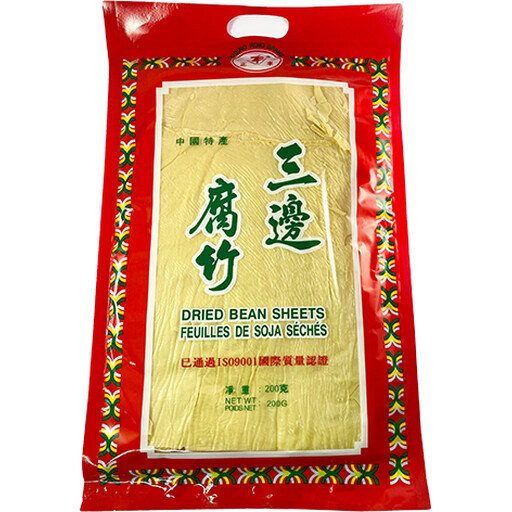
Why This Fits Their Persona: Perfect for UK hot pot lovers who want a tender ingredient that soaks up flavourful broth in seconds. Its thin, sheet-like form is easy to handle with chopsticks and cooks almost instantly.
These thin yuba sheets rehydrate quickly and evenly, preventing the common problem of a tough, uncooked centre that plagues thicker bean curd sticks.
Made with 90% soybeans for a rich flavour. The quick soaking time (30-60 minutes) makes it convenient for spontaneous meals.
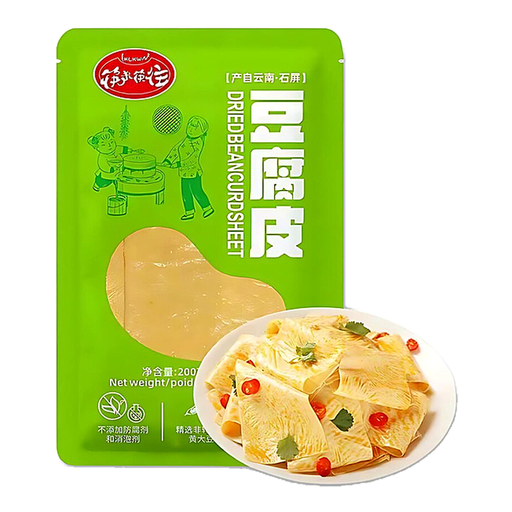
Why This Fits Their Persona: Ideal for those in the UK seeking a clean, high-protein, plant-based ingredient. It's a pure and simple base for healthy stir-fries, soups and salads.
This product completely avoids the ingredient list surprise. Its composition is simply soybeans and water, with no hidden preservatives, sugars or other additives.
It offers a high protein content of 38g per 100g with zero sugar. The thin sheets are versatile and can be cut to any size needed for your recipe.
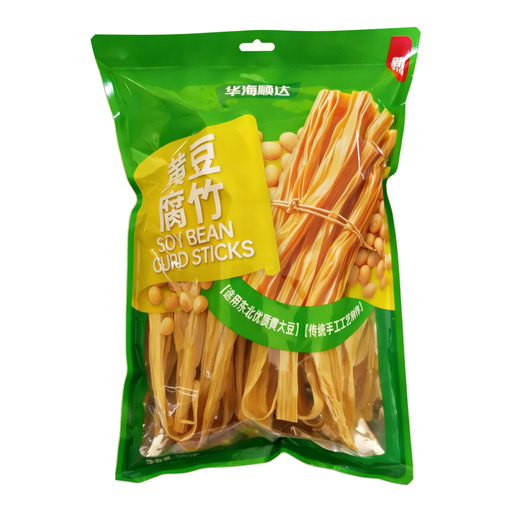
Why This Fits Their Persona: A great choice for families or frequent cooks who use bean curd in a variety of dishes. The large pack size and sturdy stick form make it a reliable and economical pantry staple.
These robust Chinese tofu sticks hold their shape well after soaking, providing a firm, chewy texture that is perfect for braising and stir-frying without turning mushy.
The generous 500g pack offers excellent value. It boasts a very high protein content (42.1g per 100g) and is made from ≥90% soybeans.
We have compiled a complete, real-time list of products that fully satisfy these strict selection criteria and UK safety regulations.
The soaking time depends on the thickness of the sticks and the water temperature. As a general guide, thinner sticks or sheets may need 30-60 minutes in warm water. Thicker bean curd sticks often require a longer soak of 6-8 hours in cold water to rehydrate fully without a hard core. Always check the package for specific instructions, as they can vary between brands.
These names are often used interchangeably but can hint at the product's form. Tofu skin is a direct translation and a general term. Yuba is the Japanese name and typically refers to the delicate, fresh or dried sheets. Fu zhu is the Mandarin term that most often describes the thicker, dried sticks or bundles that are common in Chinese cooking.
No. Dried bean curd is a raw, dehydrated food product. It must be fully rehydrated by soaking in water and then cooked thoroughly before it is safe to eat. You can add the soaked product to hot pots, soups, stir-fries or braises to cook it.