
24/7 Customer Support

Free returns

Same-day & Next-day Delivery

Quality Guaranteed

Unlock Your Welcome Offers: FREE Delivery | Up to 80% OFF | Free 30-day JoyPlus trial
Download the APP
Stocking your kitchen with dried beans, lentils and grains can make weekday meals more affordable and adaptable. These vegan pantry staples work in soups, stews, curries, salads, porridge and desserts, but choosing the wrong format or pack size can create unnecessary waste.
The product label matters more than polished packaging. Check whether you are buying a raw dried ingredient or a ready-to-eat product, compare the net weight rather than the front-of-pack claims and consider how often you will realistically cook with it.
Dried pulses such as kidney beans, chickpeas, mung beans and soya beans require preparation. They may need rinsing, soaking and thorough cooking before they are safe to eat. Canned alternatives, such as chickpeas or red kidney beans in water, are already cooked and can usually be added directly to a recipe after draining and rinsing.
A low price per pack does not necessarily mean a lower cost per meal. Dried products expand during cooking, while canned goods include water and may contain added salt. Compare the format with your available time and cooking habits.
A 1kg or 2kg bag may suit meal-prep households, regular curry makers or larger families. However, a smaller 200g, 300g or 400g pack can be more practical if you are trying an unfamiliar ingredient such as Job’s Tears, coix seed or quinoa.
Once opened, dried foods should be kept in a cool, dry place and transferred to an airtight container where appropriate. Moisture and insects can affect quality, so buying more than you can store properly is a false economy.
“Plant-based” does not automatically mean suitable for every diet. Soya beans contain soy, while pearl barley and bulgur wheat are cereals that may contain gluten. Some labels also state that a product may contain cereals, milk or other allergens due to cross-contact.
Read the full ingredient and allergen panel, not just the vegan or vegetarian description. Raw grains and pulses should also be cooked as directed; do not rely on appearance alone to judge whether they are ready.
Use the intended recipe to estimate how much you need. A 300g pack of quinoa is useful for occasional salads and grain bowls, while a 2kg pack of brown lentils is more suited to frequent batch cooking. A multi-pack can be practical when the ingredient is already part of your weekly routine.
Remember that nutrition panels may refer to dry weight, drained weight or cooked weight. These figures are not directly interchangeable. For example, a label may state that 30g of uncooked lentils becomes approximately 80g after cooking.
Cooking requirements vary considerably:
Follow the pack instructions, particularly where the product states “do not eat raw” or advises soaking for several hours.
For a straightforward pantry ingredient, look for a short ingredient list. Products containing 100% quinoa, lentils, beans or coix seed make it easier to identify what you are buying. Canned pulses may also include water, salt or an antioxidant.
Nutrition tables can help compare plant-based protein and dietary fibre, but values differ depending on whether the food is dry, cooked or drained. Treat “high-fibre foods” and similar descriptions as prompts to inspect the actual figures per 100g, rather than as a substitute for the nutrition panel.
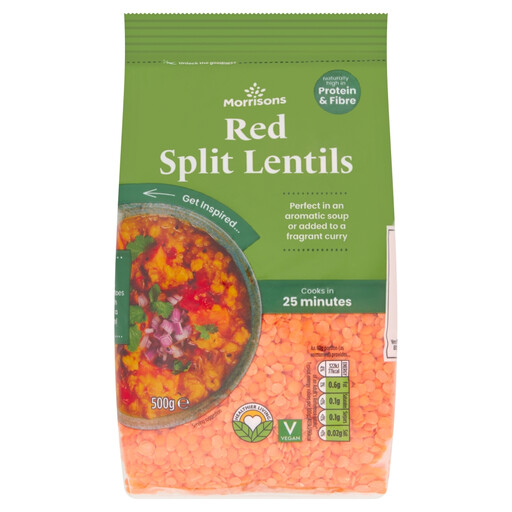
Why This Fits Their Persona: A manageable pack for cooks learning to prepare economical dals, soups and one-pot meals without committing to a very large quantity.
The pack clearly identifies red lentils as the ingredient and states an approximate serving count, helping with meal and cost planning.
100% red lentils; listed at 6.1g fibre and 7.4g protein per 100g as consumed.
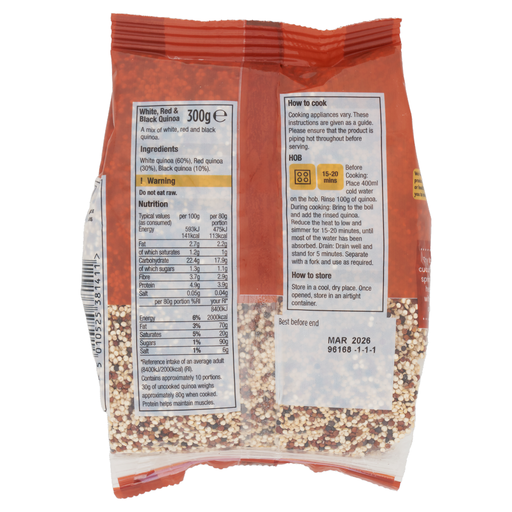
Why This Fits Their Persona: Suitable for shoppers who value a varied appearance and texture in salads, grain bowls and meal-prep lunches.
The blend percentage is disclosed as 60% white, 30% red and 10% black quinoa, so the mix is not left vague.
Gluten-free ingredients are stated, with 3.7g fibre per 100g and a 300g pack size.
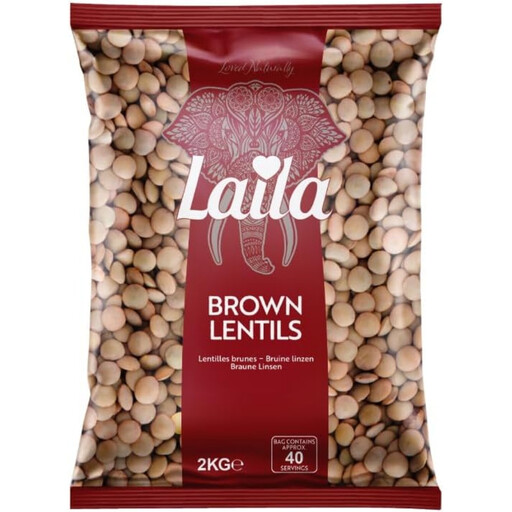
Why This Fits Their Persona: A large-format option for households preparing regular curries, dals, soups, stews and batch-cooked lunches.
The 2kg quantity makes the intended heavy-use application clear, while the label advises airtight storage after opening.
100% brown lentils; the product information gives a 30–40 minute simmering guide.
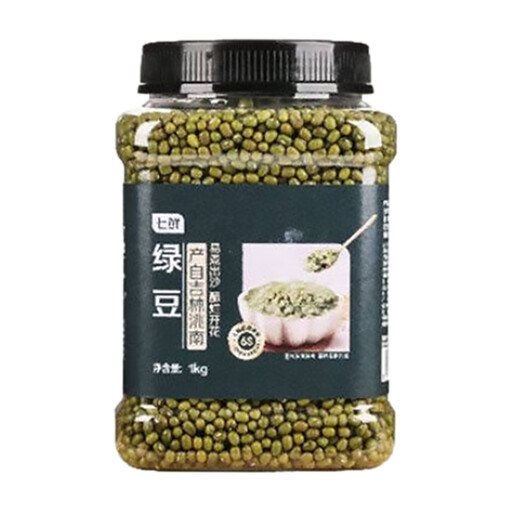
Why This Fits Their Persona: A substantial pack for making mung bean soup, congee, desserts or bean sprouts across several recipes.
The instructions state that the beans require cooking and should not be consumed raw, helping prevent preparation mistakes.
100% mung beans; 1kg net quantity and a stated 30–45 minute cooking guide for mung bean soup.
We have compiled a complete, real-time list of products that fully satisfy these strict selection criteria and UK safety regulations.
Sort through dried beans and lentils before cooking to remove any small stones or debris, then rinse thoroughly. Where the packaging recommends soaking, use plenty of water and discard the soaking water before cooking with fresh water.
Kidney beans require particular care: use the cooking instructions on the packaging and ensure they are thoroughly boiled and cooked before eating. Do not eat raw or undercooked dried beans. Cooked leftovers should be cooled promptly, refrigerated in a suitable container and consumed within the timeframe stated on the label.
For grains such as bulgur wheat, pearl barley and quinoa, check whether the product contains or may contain gluten. Job’s Tears is also described on the supplied product information as dried barley, so it should not be treated as gluten-free.
They can provide more portions per pack, but the comparison depends on pack price, cooking time and energy use. Dried beans need soaking and simmering, while canned beans offer convenience and are ready after draining and rinsing. Choose dried pulses for planned batch cooking and canned products for quick meals.
Follow the best-before information on the packaging. Keep unopened products in a cool, dry cupboard and reseal opened packs or use airtight containers. Discard products showing signs of moisture, insects or unusual odour.
Brown lentils, red lentils, chickpeas, mung beans and quinoa can all work in planned meals, depending on the recipe. Choose red lentils for quicker dal and soups, brown lentils for dishes where you want texture and quinoa for salads or grain bowls. Always cook and cool them according to safe food-handling guidance.