
24/7 Customer Support

Free returns

Same-day & Next-day Delivery

Quality Guaranteed

Unlock Your Welcome Offers: FREE Delivery | Up to 80% OFF | Free 30-day JoyPlus trial
Download the APP
Choosing dried beans and pulses can appear straightforward, but packaging and product formats make a real difference to cost, preparation time and results. A small bag of mung beans is useful for occasional desserts, while a 2kg pack of lentils may suit meal-prepping households far better. Tinned beans, meanwhile, offer convenience but may contain added salt or less usable weight than expected.
The main buying traps are easy to miss:
Tinned beans are already cooked and can usually be drained and added directly to chilli, soups, salads or stews. Check the label for salt content and remember that an opened tin should be refrigerated in a non-metallic container and consumed within the stated timeframe.
Dried beans are more economical for regular cooking and are available in useful varieties, including mung beans, red beans, adzuki beans, black beans, kidney beans, soya beans and black-eyed beans. However, they need preparation time. Rinse them, remove stones or debris, soak where instructed and cook until tender. Do not eat dried beans raw or undercooked.
Lentils are often more convenient. Brown lentils retain some texture in curries, soups and grain bowls, while red split lentils soften into a creamy dal and generally do not require overnight soaking.
For occasional Chinese cooking ingredients, a 100g or 400g pack can prevent unnecessary cupboard stock. Families, batch-cooks and regular vegetarian cooks may find a 1kg or 2kg bag more practical.
A large pack is only cost-effective if you can protect it from moisture and insects. Once opened, transfer dried beans or pulses to an airtight container and store them in a cool, dry place. Always check the best-before information on the packaging.
A single-ingredient product makes it easier to understand what you are buying. For example, products labelled 100% mung beans, 100% brown lentils or 100% soya beans contain no added seasoning. Tinned products may include water, salt or an antioxidant such as ascorbic acid.
For plant-based meals, compare the label’s protein and fibre values, but remember that figures may be listed per 100g dry or per 100g drained. A tinned product can appear lower in calories and protein because it contains water. This does not automatically make it a poorer choice; it simply means the figures are not directly equivalent.
Those following vegetarian or vegan diets should also check the product description and allergen information. The Cooks & Co 5 Bean Mix, for instance, is listed as suitable for vegetarians, while the Chuanzhen dried soya beans clearly identify soya as an allergen.
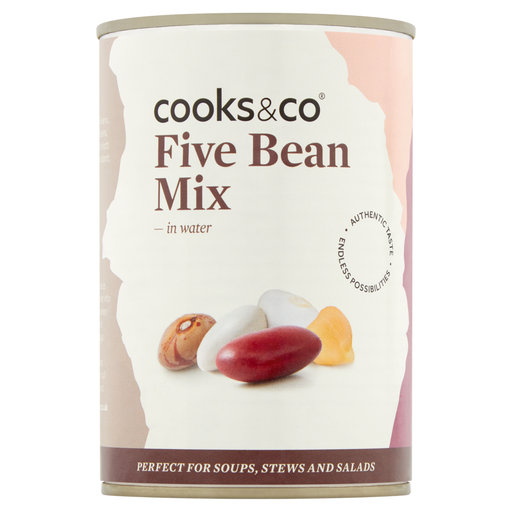
Why This Fits Their Persona: A convenient starting point for UK cooks who want several bean types without buying multiple dry packs or planning soaking times.
It is a ready-to-use tinned blend, reducing the risk of buying several dry ingredients that may remain unused.
Contains white beans, chickpeas, lima beans, kidney beans and borlotti beans; the listed drained nutrition includes 7.9g fibre per 100g.
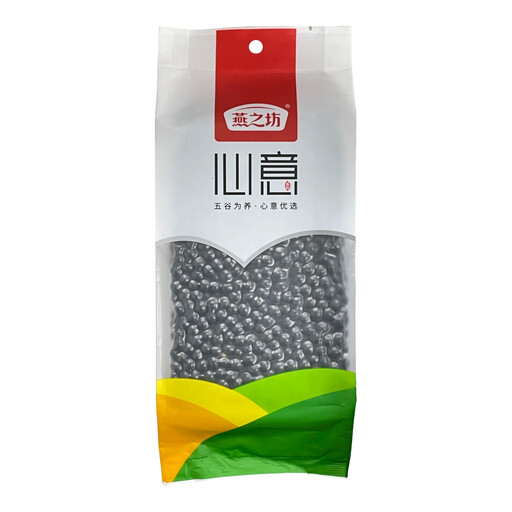
Why This Fits Their Persona: Suitable for shoppers seeking a single-ingredient product for Chinese soups, salads, vegetable burgers and other savoury dishes.
The listed ingredients contain black beans only, so there is no added salt or seasoning to account for when planning recipes.
The 405g pack is suited to cupboard storage, and the product description identifies it as 100% natural black beans.
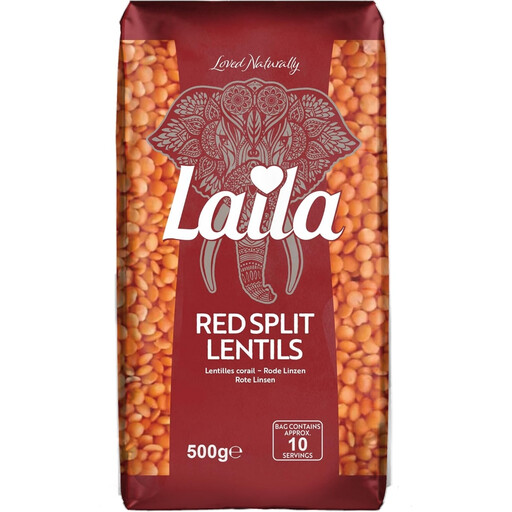
Why This Fits Their Persona: A practical choice for vegetarian and vegan cooks making dal, curry or soup on busy weekday evenings.
Unlike many whole dried beans, the listed preparation instructions state that no soaking is required.
The 500g pack cooks in approximately 15–20 minutes according to the supplied instructions and contains red split lentils only.
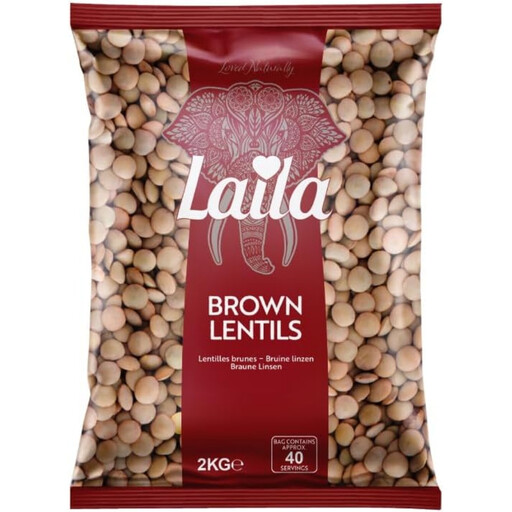
Why This Fits Their Persona: The larger format suits families, regular batch cooking and shoppers who prepare several portions of soups, curries or grain bowls.
The substantial pack reduces repeated small-pack purchases, while the clear 100% brown lentil ingredient listing avoids blended products.
The 2kg quantity is suited to frequent use, and the supplied instructions give a 30–40 minute simmering time after preparation.
We have compiled a complete, real-time list of products that fully satisfy these strict selection criteria and UK safety regulations.
Sort dried products before washing, particularly where the label advises checking for small stones or natural matter. Soak whole beans according to the pack instructions, discard the soaking water where appropriate, then cook in fresh water until completely tender. Do not eat raw or undercooked beans.
Keep opened packs sealed in airtight containers away from damp cupboards, heat and direct sunlight. For cooked leftovers, cool promptly, refrigerate and use within a safe timeframe. Tinned beans should be drained and rinsed if you want to reduce some of the liquid or salt before adding them to a dish.
They can offer a lower cost per usable portion, particularly in larger packs, but they require soaking, cooking time and energy. Tinned beans may be more economical for occasional use because they reduce preparation and waste.
No. Whole beans commonly benefit from soaking, while red split lentils generally cook without soaking. Mung beans and adzuki beans often need several hours of soaking for a softer texture and shorter cooking time. Always follow the specific product instructions.
When kept sealed in a cool, dry, well-ventilated place, dried beans and pulses can remain suitable until the best-before date shown on the packaging. After opening, airtight storage helps protect them from moisture and insects.