
24/7 Customer Support

Free returns

Same-day & Next-day Delivery

Quality Guaranteed

Unlock Your Welcome Offers: FREE Delivery | Up to 80% OFF | Free 30-day JoyPlus trial
Download the APP
Dried black fungus is a staple in many East Asian kitchens, celebrated not for a strong flavour, but for its wonderfully crisp, slightly chewy texture and its ability to absorb the sauces and broths it's cooked in. Whether you're aiming to recreate an authentic hot and sour soup, add a satisfying crunch to a stir-fry or prepare a refreshing cold salad, choosing the right type of fungus is key.
With so many options available, it can be tricky to know which packet to pick. This guide is designed to help you understand what to look for when shopping for dried black fungus and to highlight a few quality selections available for your home cooking adventures.
Before you add a pack to your basket, a little knowledge can go a long way. Here are a couple of points to consider that will help you select the right product for your culinary needs.
You will often see names like dried wood ear mushroom, Chinese black fungus and cloud ear fungus used to describe this ingredient. While they are all from the same family (Auricularia auricula-judae), there can be subtle differences.
A good quality dried fungus should appear whole, relatively clean and free from an excessive amount of dust or debris. The real test, however, comes after rehydration. A superior product will expand significantly, becoming plump and tender yet retaining a pleasant crunch.
Always remember that you must rehydrate black fungus before use. This simple but crucial step not only restores its texture but also helps in cleaning it thoroughly. Soaking in cold water is the recommended method for achieving the best texture.
Here are a few selections we've picked out to help you get started, each offering something slightly different for the home cook.
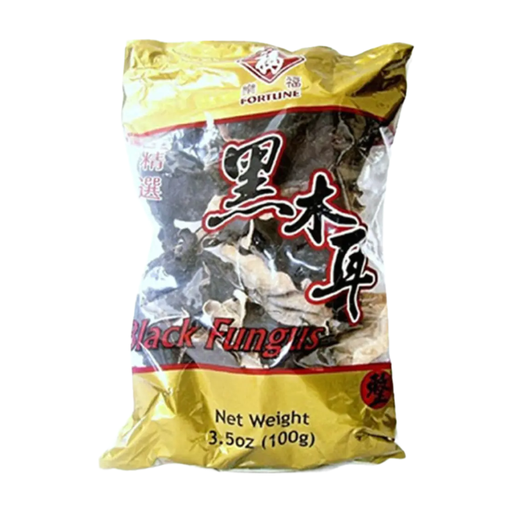
Why It Stands Out: This product from Fortune is a great all-rounder for your pantry. It rehydrates to a satisfyingly crunchy texture that works well across a wide range of dishes, from simple side dishes to more complex soups. It's a reliable choice for everyday cooking.
Pros:
Who is it for? This is an excellent starting point for anyone new to using black fungus or for seasoned cooks looking for a dependable, multi-purpose option for their daily meals.
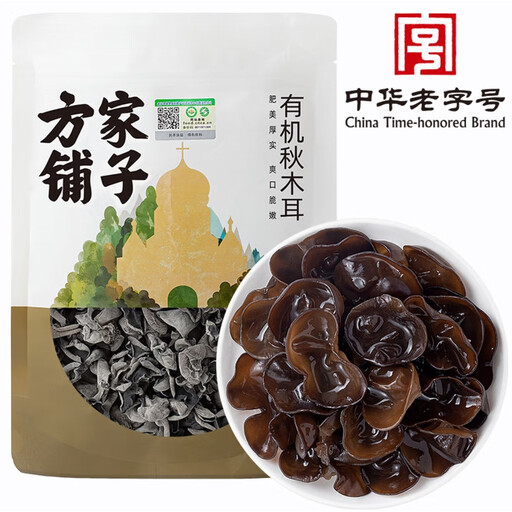
Why It Stands Out: This dried wood ear mushroom from Fangjia Puzi is noted for its thick flesh and high rehydration rate, meaning you get a lot of plump fungus from a small amount of the dried product. Its substantial texture makes it particularly satisfying in heartier dishes.
Pros:
Who is it for? Perfect for the home cook who appreciates a meatier texture in their fungus, especially for use in hot pots and rich, braised dishes where a more robust ingredient is desired.
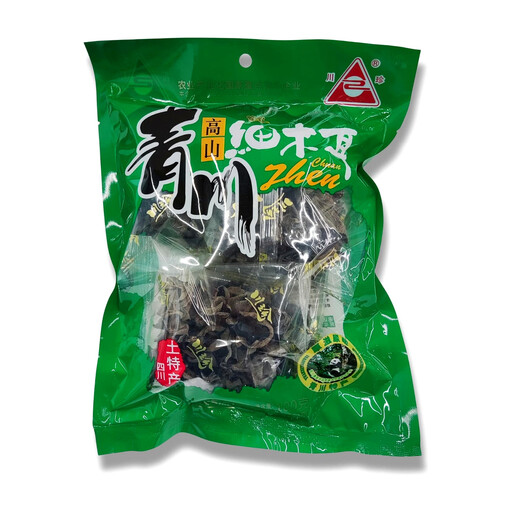
Why It Stands Out: Sourced from the high mountains of Qingchuan, this Chinese black fungus is thinner and more delicate than many other varieties. It rehydrates quickly and delivers a distinctly crisp, fresh texture that is highly prized in salads and quick-cooking dishes.
Pros:
Who is it for? Ideal for food enthusiasts who want to create refined cold appetisers or light stir-fries where the delicate, crunchy texture of the fungus can be the star of the show.
If you haven't found the exact type of fungus you're looking for or simply wish to browse a wider selection, there are many other varieties to discover. From different sizes to regional specialities, you can find an ingredient that perfectly matches your next recipe.
Explore our full range of black fungi to find your perfect match.
1. How do I properly rehydrate black fungus? To rehydrate black fungus, place the desired amount in a large bowl and cover it completely with cold or lukewarm water. Avoid using hot water, as it can result in a softer, less desirable texture. Allow it to soak for at least 30 minutes, though some thicker varieties may need several hours to fully plump up. Once rehydrated, trim off the tough, woody base where it was attached to the wood and rinse thoroughly under running water to remove any grit before cooking.
2. What is the texture and flavour of black fungus? Black fungus has a very mild, almost neutral flavour. It is not used to flavour a dish but rather to add texture. When cooked, it has a unique gelatinous, springy and crunchy texture that absorbs the flavours of the sauces, spices and other ingredients it is cooked with.
3. What dishes can I make with black fungus? Its versatility is one of its greatest assets. It is a classic ingredient in Chinese hot and sour soup, wood ear mushroom salads and moo shu pork. It is also an excellent addition to almost any black fungus for stir-fry, providing a wonderful textural contrast to softer vegetables and meats. You can also add it to noodle dishes, soups and fillings for dumplings and spring rolls.