
24/7 Customer Support

Free returns

Same-day & Next-day Delivery

Quality Guaranteed

Unlock Your Welcome Offers: FREE Delivery | Up to 80% OFF | Free 30-day JoyPlus trial
Download the APP
Finding authentic, high-quality dried Chinese mushrooms can be a challenge for home cooks in the UK. Whether you are recreating a family recipe or exploring the rich flavours of East Asian cuisine for the first time, the right ingredients are essential. These versatile fungi are more than just a flavour enhancer; they are a cornerstone of the cuisine, offering unique textures and depths that fresh mushrooms cannot replicate.
This guide is designed to help you navigate the options available when you want to buy Asian mushrooms online in the UK. We will cover the most popular varieties, offer practical tips for selecting the right product for your needs and share some of our top recommendations to help you stock your cupboards with confidence.
Before adding items to your basket, understanding a few key details can make all the difference. From the umami-packed dried shiitake mushrooms to the delicate snow fungus, each has its own distinct character and culinary use.
The term 'dried Chinese mushrooms' covers a wide range of fungi. Here are three of the most common types you will encounter:
Properly preparing rehydrated mushrooms is key to unlocking their texture and flavour. The general method is simple:
A useful tip for shiitakes: the soaking liquid is full of flavour. Strain it through a fine sieve to remove any grit and use it as a flavourful base for your dish.
Here are a few standout options that deliver on authenticity and quality, suitable for a range of classic Asian dishes.
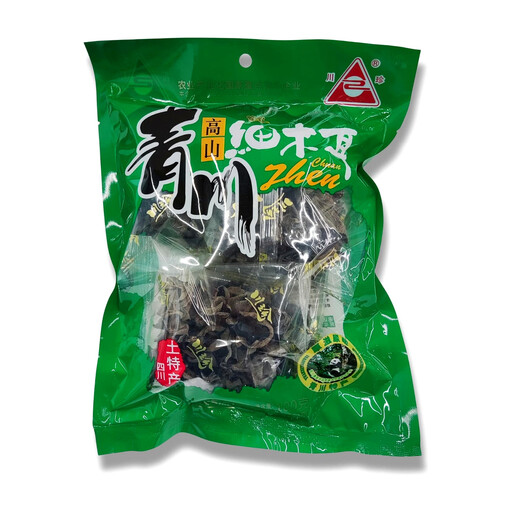
Why It Stands Out: Sourced from the high mountains of Qingchuan, this dried black fungus is known for its thinness and exceptionally crisp texture after rehydration. Unlike thicker, softer varieties, this type holds its bite well, making it a premium choice for dishes where texture is paramount. It rehydrates relatively quickly, in about 20-30 minutes.
Pros:
Who is it for? This is an excellent choice for home cooks who appreciate textural contrast in their food. It is ideal for anyone making classic cold-tossed salads, vibrant stir-fries or looking for a satisfyingly crunchy element in their hot pot.
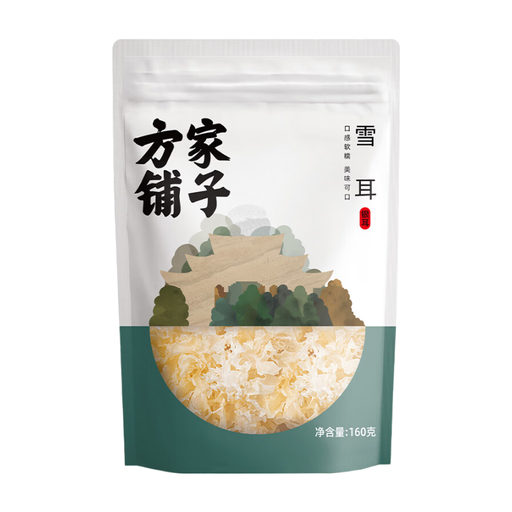
Why It Stands Out: This snow fungus from Fang Jia Pu Zi, a heritage Chinese brand, is selected for its ability to produce a rich, gelatinous texture when stewed. It is the perfect base for traditional nourishing sweet soups. According to the product information, it is a source of dietary fibre, containing 73.2g of carbohydrates per 100g, primarily from fibre.
Pros:
Who is it for? Anyone interested in making authentic Chinese desserts and tonic soups. If you enjoy creating comforting, slow-cooked sweet dishes, this is an essential ingredient for your pantry.
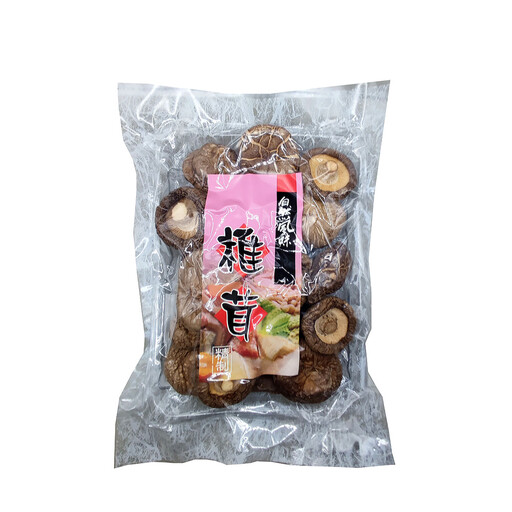
Why It Stands Out: These dried shiitake mushrooms are selected for their size and thickness. The large 4-6cm caps have a deep, concentrated umami flavour and a substantial, meaty texture once rehydrated. This makes them more than just a background flavour; they can be a star ingredient in their own right.
Pros:
Who is it for? This is a must-have for any cook serious about building a collection of authentic Asian cooking ingredients. Its powerful flavour is fundamental for creating the savoury base of many classic Chinese, Japanese and Korean dishes.
If our recommendations do not quite match what you are looking for, or if you are curious about other varieties, there is a wider world of fungi to explore. From different grades of shiitake to other unique dried goods, you can find more choices to stock your pantry.
Browse our full collection of Mushroom Spores to find the perfect ingredients for your next culinary creation.
First, give the dried mushrooms a quick rinse under cold water. Next, submerge them in a bowl of warm water for 20-40 minutes, or until they are fully softened and pliable. Finally, trim off any tough stems (especially on shiitakes) and give them one last rinse before cooking.
Yes, absolutely. The dark, fragrant liquid left after soaking dried shiitakes is packed with umami flavour and is often referred to as a "mushroom broth." Strain it through a fine-mesh sieve or a cheesecloth to remove any grit, and then use it to enrich soups, sauces, braises or noodle dishes.
There is no difference. Wood ear mushroom is simply another common English name for dried black fungus. Both terms refer to the same ingredient, which is prized in Asian cooking for its mild taste and distinctive crisp, jelly-like texture.