
24/7 Customer Support

Free returns

Same-day & Next-day Delivery

Quality Guaranteed

Unlock Your Welcome Offers: FREE Delivery | Up to 80% OFF | Free 30-day JoyPlus trial
Download the APP
Dried cranberries are convenient, portable and useful in everything from porridge to stuffing. However, attractive packaging can make similar-looking products seem interchangeable when their fruit percentage, sugar content, texture and pack format differ considerably.
Before buying sweetened dried cranberries, watch for three common pitfalls:
The ingredient list is the clearest way to compare products. Common ingredients include cranberries, sugar and sunflower oil. The quantitative ingredient declaration, or QUID, shows how much cranberry is present.
For example, J.ZAO Whole-Berry Dried Cranberries lists cranberries at 76.9%, while Wolong Dried Cranberries lists 57%. Three Squirrels lists 66%. A higher fruit percentage does not automatically determine whether you will prefer the flavour, but it gives useful context when comparing sweetened dried cranberries.
The J.ZAO product name includes “No-Additive”, yet its listed ingredients are cranberries, white granulated sugar and sunflower oil. This is a useful reminder to check the full ingredients panel instead of treating a product title as a complete formulation statement.
Look for descriptions such as plump, soft, tender, chewy or whole-berry. These are practical differences:
For recipes, consider whether the fruit is moist enough to mix without becoming hard or dry. For snacking at a desk or on a commute, individually packed dried cranberries can help with portability and portion control.
Available formats in this selection range from 100g to 256g cranberry packs. A 100g or 130g bag may suit occasional use, while a 210g jar or 256g multipack can be more suitable for households, regular baking or sharing.
Check the storage guidance before opening. Most packs should be kept in a cool, dry place away from direct sunlight and resealed after opening. J.ZAO advises refrigeration after opening and prompt consumption. Always follow the storage and best-before information printed on the packaging.
Nutrition panels should also be compared on a per-100g basis. For instance, the listed energy values range from approximately 330kcal to 384kcal per 100g across the products below. Whitworths provides a stated 5.5g of fibre per 100g, whereas not every product lists fibre in the supplied nutrition information. If fibre matters to you, confirm the current packaging label.
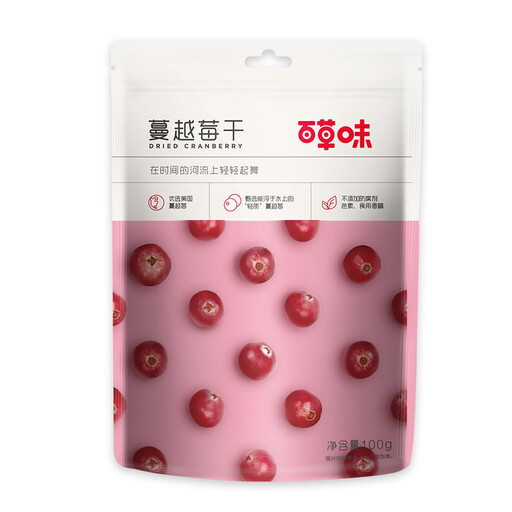
Why This Fits Their Persona: The compact 100g pack is a straightforward option for shoppers trying dried fruit in cereal, yoghurt or occasional snacks without committing to a larger quantity.
The listed 100g net weight makes the quantity clear, while the ingredients identify cranberries, white sugar and sunflower oil rather than relying on promotional wording.
Ready to eat; suitable for cereals, yoghurt and baking; listed nutrition includes approximately 330kcal per 100g.
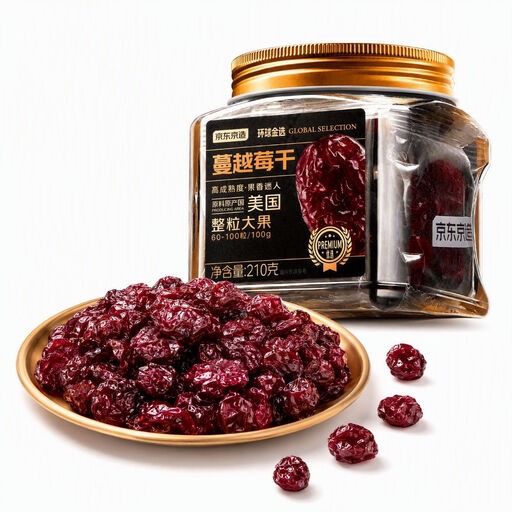
Why This Fits Their Persona: The 210g jar and whole-berry format suit shoppers who value a substantial texture and want one pack for entertaining, yoghurt, oats and baking.
Its stated cranberry percentage is 76.9%, but the ingredients still list sugar and sunflower oil, allowing shoppers to assess the formulation accurately.
Whole-berry format; 210g resealable-style jar; listed cranberry content of 76.9%; suitable for direct snacking and recipes.
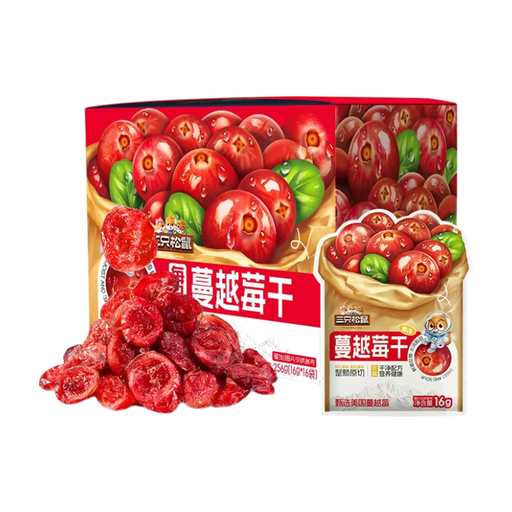
Why This Fits Their Persona: Sixteen 16g portions are convenient for office drawers, school bags, commuting and controlled serving sizes, reducing the need to open a large bag repeatedly.
The total weight is shown alongside the individual 16g packs, so the portion format is clear rather than hidden behind a large total number.
256g total quantity; 16 individually packed portions; ready to eat; listed sugar content is 78.4g per 100g.
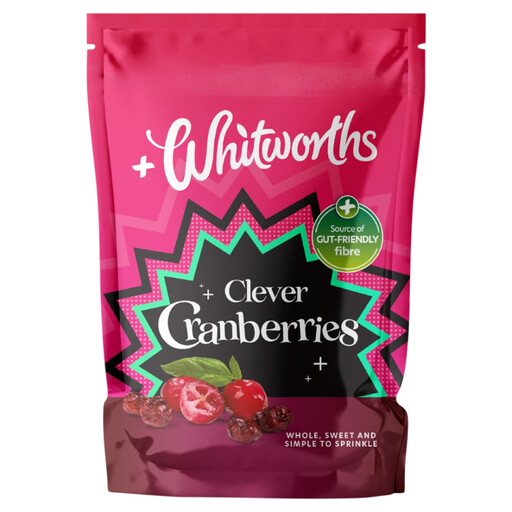
Why This Fits Their Persona: This 130g pack is versatile for breakfasts, salads, baking and stuffing, while the stated fibre value helps shoppers compare it with other dried fruit products.
The product information states 5.5g of fibre per 100g and 65.3g of sugars per 100g, giving a more complete basis for comparison than a general wellness phrase.
130g pack; whole sweetened dried cranberries; stated 5.5g fibre per 100g; suitable for stuffing, cereal, salads and snacking.
We have compiled a complete, real-time list of products that fully satisfy these strict selection criteria and UK safety regulations.
For a recipe, check whether the fruit is already sweetened and adjust added sugar accordingly. If a pack has been opened for several weeks, inspect its texture and aroma before use and follow the storage instructions on the label.
Dried cranberries can be included in a varied, balanced diet, but many products are sweetened. Compare sugars, energy and fibre per 100g, and consider serving size. “Fat-free” wording does not mean a product is low in sugar or calories.
Shelf life depends on the product and storage conditions. Keep the pack sealed in a cool, dry place and follow its printed guidance. Some products, including J.ZAO, advise refrigeration after opening and prompt consumption. Discard fruit if it develops an unusual smell, visible mould or an unexpectedly fermented taste.
Soft whole-berry or chewy cranberries are generally practical for muffins, cookies, stuffing and flapjacks. A 130g or 210g pack suits occasional baking, while the 256g multipack is more oriented towards individual snacking. Check the ingredient and nutrition panels before choosing, particularly when adapting a sweet recipe.