
24/7 Customer Support

Free returns

Same-day & Next-day Delivery

Quality Guaranteed

Unlock Your Welcome Offers: FREE Delivery | Up to 80% OFF | Free 30-day JoyPlus trial
Download the APP
Dried cranberries are convenient for packed lunches, office drawers, travel, porridge, yoghurt, salads and home baking. However, attractive packaging does not always tell you how sweet, soft or practical a product will be. Before buying, compare the ingredient percentage, portion format, texture and pack size rather than relying on phrases such as “premium”, “natural” or “no additive”.
This guide from the Joybuy Product Recommendation Officer separates useful product information from marketing language, helping UK shoppers choose sweetened dried cranberries with greater confidence.
Cranberries naturally have a tart flavour, so many commercial products include sugar to make them more approachable. A product labelled “no-additive” may still list sugar and sunflower oil in its ingredients. Always read the full ingredients panel and the quantitative ingredient declaration (QUID).
For example, J.ZAO Whole-Berry Dried Cranberries lists cranberries at 76.9%, alongside white granulated sugar and sunflower oil. This is different from an unsweetened dried fruit product.
A 256g bag may contain 16 individual 16g packs, while a 210g jar is one resealable container. Neither format is automatically more economical or convenient. Individual packs can help with lunchboxes and portion planning, whereas a jar may suit family sharing, baking and regular use at home.
Compare the price per 100g, not just the shelf price. Common sizes include 100g dried cranberries, 130g dried cranberries, 140g dried cranberries, 210g dried cranberries and 256g dried cranberries.
Sunflower oil is often used to reduce sticking and maintain a soft texture. This may be useful for snacking, but shoppers wanting a drier ingredient for baking should check whether the berries are described as moist, tender, plump or chewy. Also inspect the storage instructions: some products need to be sealed carefully after opening and consumed promptly.
For a like-for-like comparison, check:
Dried cranberries are concentrated fruit products, so a small handful can contain more carbohydrate and sugar than the same weight of fresh fruit. This does not make them unsuitable, but it does make portion awareness useful. Product labels can vary, so use the packaging supplied with your chosen item as the final reference.
If you want whole dried cranberries, look for wording such as “whole berry”, “plump” or “large berries”. Whole berries can provide a more substantial chew and may look attractive in cakes, breakfast bowls and serving dishes.
Smaller or softer pieces can be easier to mix through cereals, salads and flapjack mixtures. For a dried cranberry snack, consider whether you prefer a moist, chewy texture or firmer pieces that are less likely to clump together.
Choose the pack around your routine:
Store unopened dried fruit in a cool, dry place away from direct sunlight and heat. Once opened, reseal the pack or jar securely. If the product instructions recommend refrigeration, follow them rather than assuming all dried fruit has identical storage needs.
The following selections match different shopping priorities. Product details, availability and pricing may change, so check the current listing before ordering.
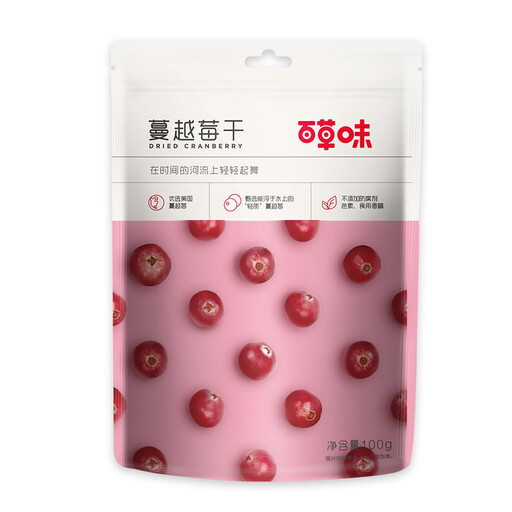
Why This Fits Their Persona: The compact 100g pack suits occasional snackers, single-person households and shoppers comparing dried fruit before committing to a larger quantity.
The net weight is clearly stated, making it easier to compare against 130g and 140g alternatives. The ingredient list also identifies sugar and sunflower oil.
Ready to eat; suitable for cereals, yoghurt and baking; compact 100g format.
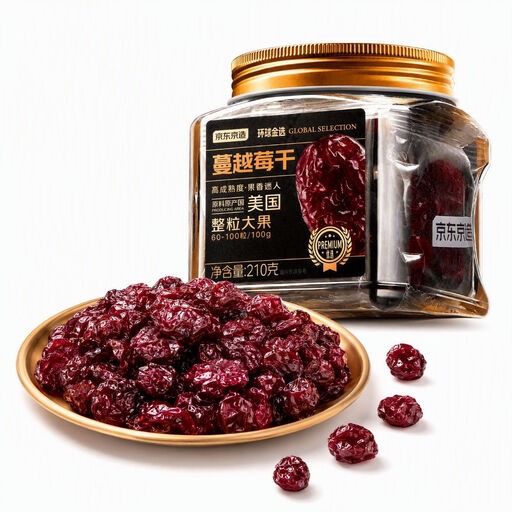
Why This Fits Their Persona: A resealable 210g jar is suited to shoppers who value visible whole berries and use dried fruit across snacks, breakfast and baking.
The listing states a 76.9% cranberry QUID and identifies sugar and sunflower oil, avoiding confusion around the “no-additive” wording.
Whole large berries; 210g sealed jar; suitable for oats, yoghurt, tea drinks and baking.
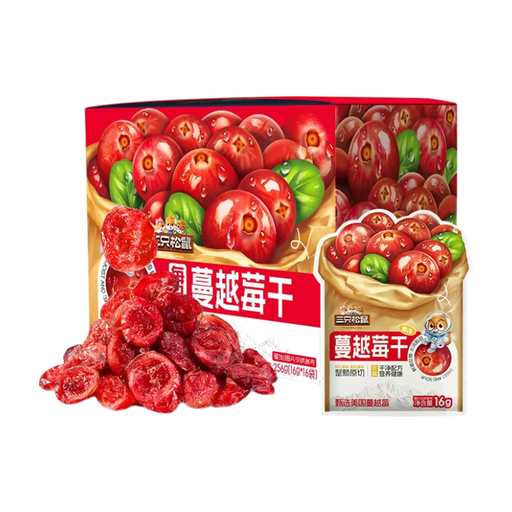
Why This Fits Their Persona: Sixteen 16g packs are convenient for commuting, lunchboxes, travel and controlled serving sizes without opening a large bag repeatedly.
The total weight and per-pack quantity are both stated, so buyers can assess convenience separately from overall volume.
256g total; 16 individually packed portions; ready to eat; easy to carry.
For dried cranberries for baking, choose berries that are sufficiently soft to fold into muffins, cookies, stuffing and flapjacks without hardening during cooking. Whole berries can create larger bursts of flavour, while smaller pieces distribute more evenly through a mixture.
For cranberries for yoghurt and oats, consider a soft, chewy product that can be eaten directly or stirred through breakfast. If the berries clump, separate them before adding them to porridge, granola or salad. A resealable jar is useful for frequent kitchen use, while individually packed dried cranberries are more suitable for packed meals.
We have compiled a complete, real-time list of products that fully satisfy these strict selection criteria and UK safety regulations.
Many supermarket-style dried cranberries are sweetened because cranberries have a naturally tart flavour. Check the ingredients and nutrition panel for sugar, syrup and the cranberry percentage. Do not assume that “natural”, “whole berry” or “no-additive” means unsweetened.
Keep the product sealed in a cool, dry place away from sunlight and heat. Follow any product-specific instruction on the label; for the J.ZAO jar, the listed guidance is to keep it sealed and refrigerated after opening, then consume promptly.
A 256g pack containing 16 x 16g portions is convenient when you want individually packed servings for work, school or travel. A 100g to 140g pack may be more suitable for occasional use, while a 210g jar suits regular snacking and cooking at home.