
24/7 Customer Support

Free returns

Same-day & Next-day Delivery

Quality Guaranteed

Unlock Your Welcome Offers: FREE Delivery | Up to 80% OFF | Free 30-day JoyPlus trial
Download the APP
By Joybuy Product Recommendation Officer
Stocking up on dried food ingredients can make weekday cooking easier, but attractive packaging does not always tell you how a product should be used or stored. UK shoppers may find grains, Asian dried ingredients, dried mushrooms, dried seaweed, herbs, pulses, lentils, nuts and dried fruit all grouped together, despite having very different preparation requirements.
The most common purchasing mistakes are easy to avoid:
Start by separating raw cooking ingredients from snacks and preserved foods.
Quinoa should be cooked thoroughly and not eaten raw. Dried coix seed generally benefits from washing and several hours of soaking before being simmered in porridge or soup. Dried shiitake and black fungus need rehydration followed by thorough cooking. Follow the instructions on the individual packaging, particularly when preparing food for children, older people or anyone with specific dietary requirements.
Tinned pulses are different. For example, rehydrated red kidney beans in water can be added directly to dishes after draining, although they should be heated as part of the recipe. Red split lentils usually need rinsing and simmering until soft.
For vegetarian ingredients and vegan food ingredients, check the complete label rather than relying only on front-of-pack wording.
Useful points to compare include:
A simple ingredient list can be useful for everyday cooking, while seasoned snacks may be more convenient but higher in salt or added fat. For example, wakame is naturally marine and its listed nutrition information indicates a high salt content, so use it thoughtfully when seasoning soups and noodle dishes.
Choose a size that matches how often you cook with the ingredient. A 15g packet of dried bay leaves may suit occasional use, while 500g of red split lentils is more practical for regular dals, soups and batch cooking.
After opening, keep dry pantry staples in a cool, dry place, away from direct sunlight and moisture. Transfer opened grains, herbs, mushrooms and pulses to airtight containers where appropriate. Check the best-before information on the packaging and avoid using products with dampness, an unusual smell, damaged packaging or visible signs of pests.
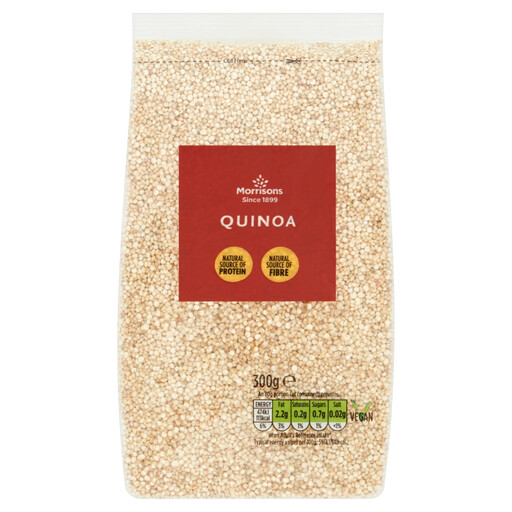
Why This Fits Their Persona: A manageable 300g pack for shoppers trying quinoa in salads, grain bowls or as an alternative to rice and couscous.
The label identifies quinoa as the main ingredient and provides cooking guidance, helping new users avoid treating a raw grain as a ready-to-eat food.
Quinoa-only recipe; 300g net quantity; suitable for vegetarian and vegan meal planning.
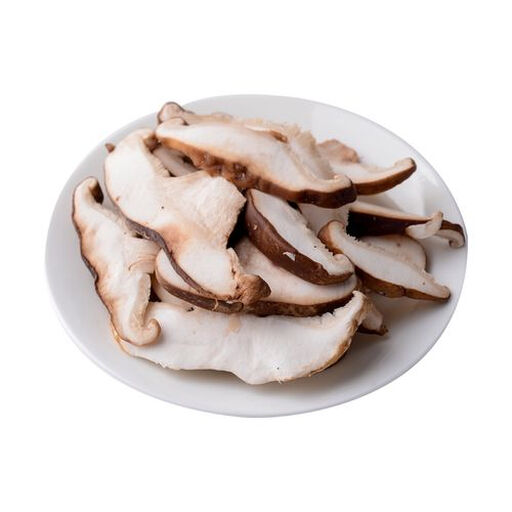
Why This Fits Their Persona: Pre-sliced dried mushrooms suit cooks who want an efficient ingredient for ramen, stir-fries, hot pots and braised dishes.
The sliced format makes the preparation requirement clear and avoids the extra work of cutting whole dried mushrooms after soaking.
100% shiitake mushroom ingredient; pre-sliced pieces; stated 15–20 minute soaking guidance.
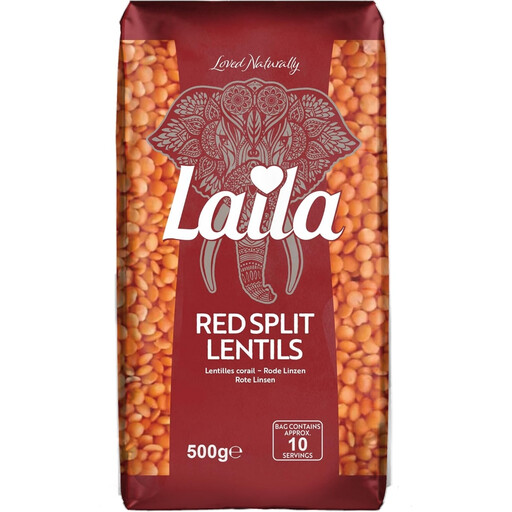
Why This Fits Their Persona: A larger pack for regular cooks preparing dals, soups, curries and batch meals for vegetarian or vegan households.
The product information states that soaking is not required, while still advising rinsing and thorough cooking until soft.
100% red split lentils; 500g pack; cooking time stated as approximately 15–20 minutes.
For Asian cooking, keep dried lemongrass, bay leaves, dried black fungus and wakame available for soups, marinades and stir-fries. Dried seaweed can be used in miso soup or rice dishes, while ready-to-eat seaweed snacks offer individual portions for lunchboxes.
Dried fruit and nuts are convenient, but they are not interchangeable with plain cooking ingredients. Compare sugar, oil, salt, preservatives and allergen information before buying. Mixed nuts, for instance, may contain peanuts, almonds and walnuts. Dried mango and dried strawberry may include added sugar or preservatives.
We have compiled a complete, real-time list of products that fully satisfy these strict selection criteria and UK safety regulations.
Quinoa, red split lentils, dried mushrooms, bay leaves, lemongrass, seaweed and tinned red kidney beans cover a broad range of meals. Choose based on your regular recipes, available storage and willingness to soak or cook ingredients.
Dried shiitake and black fungus should be soaked until fully rehydrated and then cooked thoroughly. Dried wakame usually needs only a short soak before being added to soups, salads or noodle dishes. Always follow the instructions on the specific pack.
Shelf life varies by product and packaging. Keep items sealed in a cool, dry place away from sunlight and moisture, and follow the printed best-before information. Once opened, airtight storage helps preserve texture and aroma, but it does not replace checking the product before use.