
24/7 Customer Support

Free returns

Same-day & Next-day Delivery

Quality Guaranteed

Unlock Your Welcome Offers: FREE Delivery | Up to 80% OFF | Free 30-day JoyPlus trial
Download the APP
Finding dried and frozen fruit snacks that suit your diet, storage space and cooking habits can be harder than it appears. Attractive packaging may highlight “natural” ingredients while hiding added syrups, concentrated sugars or complicated preparation requirements.
For UK shoppers, the main buying pitfalls are usually:
This guide breaks down the practical details to check before buying Asian fruit snacks, frozen ingredients and ready-to-eat fruit.
For simple dried fruit snacks, look for a short ingredient list such as 100% jujube, red dates, raisins or prunes. These products can work well as everyday snacks or as ingredients in tea, soups, congee and baking.
Preserved fruit is different. A pineapple snack may include sugar, malt syrup, glucose-fructose syrup, acidity regulators and sulphites. Hawthorn snacks often contain sugar or glucose syrup to create their characteristic sweet-and-sour taste. This does not make them unsuitable, but it does mean they should be compared with the nutrition panel rather than treated as interchangeable with plain dried fruit.
Check for:
UK food packaging should provide legally required ingredient, allergen, quantity and date information. Always check the physical pack for the latest details, especially if you have an allergy or intolerance.
Different forms of fruit suit different routines:
For frozen products, confirm whether the fruit should be thawed in the refrigerator, defrosted briefly at room temperature or heated thoroughly when used in cooked dishes. Do not refreeze food after it has thawed unless the packaging specifically permits it.
A large bag may offer better value only if you will use it before the product loses quality. Dried fruit should be sealed after opening and kept away from heat, humidity and direct sunlight. Some products advise consuming them promptly after opening.
Frozen packs are convenient for batch cooking, but freezer space and preparation time matter. A 300g pouch of fruit pulp may suit occasional use, while a 500g bag of mango or red dates may be more practical for families or frequent cooks.
Look at the net quantity, best-before information and serving guidance. Nutrition panels are normally listed per 100g, so compare like with like. Dried and preserved fruit can contain considerably more sugar per 100g than fresh fruit because water has been removed or sweeteners have been added.
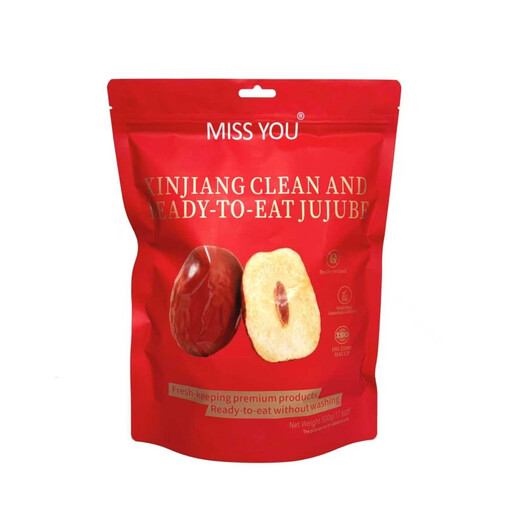
Why This Fits Their Persona: A 500g ambient pack provides a practical starting point for shoppers who want one ingredient for snacking, tea, soups and desserts without using freezer space.
The listed ingredient is jujube (100%), with no declared allergens. Its no-wash, ready-to-eat format also avoids unnecessary preparation.
Single-ingredient product; ready to eat; suitable for teas, soups and desserts.

Why This Fits Their Persona: A convenient option for durian lovers who want frozen pulp for desserts, smoothies or serving after thawing.
The product is identified as 100% pure Musang King durian pulp, with clear frozen storage instructions and no refreezing after thawing.
400g pack; frozen format; suitable for desserts and smoothies; nutrition information is provided on the product listing.

Why This Fits Their Persona: The 500g frozen pack suits frequent smoothie makers, home bakers and families preparing fruit for desserts and breakfast bowls.
The chunks are prepared without peeling or chopping, while the listing clearly states that they must remain frozen and should not be refrozen after defrosting.
500g quantity; convenient pre-cut pieces; suitable for smoothies, desserts, baking and savoury recipes.
We have compiled a complete, real-time list of products that fully satisfy these strict selection criteria and UK safety regulations.
For a lower-sugar option, compare plain dried red dates, jujubes, dried prunes and unsweetened raisins with preserved fruit snacks. For portion-controlled treats, individually packed pineapple or assorted hawthorn snacks may be convenient, but check their sugar and sulphite content.
If you are preparing fruit for smoothies and desserts, frozen berries, frozen mango chunks and frozen strawberries are usually more practical than rehydrating dried fruit. For Asian recipes, consider jujubes, red dates, jackfruit pulp and durian pulp, checking whether the product contains seeds or requires thawing.
They can contribute fruit to a varied diet, but products differ considerably. Dried fruit has concentrated natural sugars, while preserved fruit may contain added sugar or syrups. Frozen fruit without added ingredients can be a convenient ingredient. Compare the ingredient list, nutrition panel and portion size rather than relying on front-of-pack wording.
Keep it in a food freezer at -18°C or below and follow the pack instructions. Thaw in the refrigerator when recommended, use promptly after defrosting and do not refreeze thawed fruit. Keep frozen food cold during transport and return it to the freezer quickly after delivery.
Ready-to-eat dried fruit snacks, pitted red dates, jujubes and individually packed preserved fruit are convenient for desks and lunchboxes. Check pack size, allergen information and sugar content. Frozen fruit is better suited to home use unless you have reliable freezer access.