
24/7 Customer Support

Free returns

Same-day & Next-day Delivery

Quality Guaranteed

Unlock Your Welcome Offers: FREE Delivery | Up to 80% OFF | Free 30-day JoyPlus trial
Download the APP
Dried fruit and frozen fruit can make everyday eating more convenient, but the products are not interchangeable. Dried fruit is compact, shelf-stable and useful in lunchboxes, porridge and traditional recipes. Frozen fruit is often easier to portion into smoothies, desserts and breakfast bowls without washing or chopping.
The main challenge is separating useful product information from broad marketing language. A colourful pouch may contain added sugar, a large frozen bag may be impractical for a small freezer, and “ready to eat” does not always mean “pit-free”. Before buying, check the following common pitfalls.
Dried fruit naturally contains concentrated sugars because much of its water has been removed. However, some products also contain added sugar, maltose syrup or glucose syrup. This is particularly relevant when comparing dried apricots, raisins and red dates.
Check the ingredient list rather than relying on front-of-pack wording. A product listing “fruit” as the only ingredient offers a straightforward option, while a longer list may indicate added sweetness, preservatives or acidity regulators.
Whole red dates may contain pits, even when they are ready to eat. This matters when serving children, adding fruit to baking or using it in quick snacks. Pitted red dates remove this preparation step, but buyers should still read the product description and packaging carefully.
Dried apricots can also contain sulphites, used as a preservative in some products. If you need to avoid sulphites, choose a product whose allergen information confirms their absence. Never assume that all dried apricots are prepared in the same way.
Frozen fruit is convenient, but a 1.5 kg bag takes considerably more freezer room than a 350 g pack. Frozen strawberries and frozen blueberries may suit occasional smoothie makers, while frozen mango chunks or frozen summer fruits can be more practical for frequent family use.
Also check whether the product must be thawed in the fridge, used within 24 hours after defrosting or not refrozen. These instructions affect planning and reduce food waste.
For simple dried fruit, look for ingredient lists such as red dates (100%), goji berries or red currant raisins. This does not make a product suitable for every diet, but it clearly shows what has been included.
Some dried apricots contain sugar, maltose syrup, citric acid and sodium metabisulphite. If you want ready-to-eat dried fruit with fewer ingredients, compare the label rather than choosing by pack size or colour.
For vegan frozen fruit, look for fruit-only ingredients, such as strawberries, blueberries, mango or a berry blend. Check the packaging if the product is being used for someone with a specific allergy or dietary requirement.
Texture affects how a product works in the kitchen:
Compare pack size with your household’s consumption. A 100 g raisin pack may be useful for occasional snacking, whereas a 500 g or 900 g date pack suits regular cooking or a larger household.
Dried fruit is energy-dense by weight. For example, the listed ready-to-eat red dates provide 331 kcal and 78 g carbohydrate per 100 g. Frozen fruit generally contains more water and has lower energy values per 100 g; the listed frozen strawberries provide 39 kcal per 100 g.
Store dried products in a cool, dry place and reseal them after opening. Frozen products should remain at -18°C or below, following the label instructions. Use separate utensils and containers if avoiding cross-contamination is important.
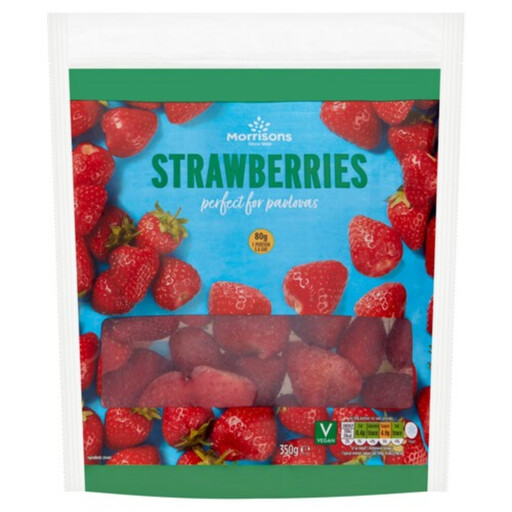
Why This Fits Their Persona: A manageable 350 g pack suits students, small households and occasional smoothie makers who want frozen fruit without committing to a large freezer bag.
The ingredient list states 100% strawberries, with no added preparation ingredients listed.
Ready to use from the freezer for smoothies, desserts, breakfast bowls and baking; provides 39 kcal per 100 g according to the listed nutrition information.

Why This Fits Their Persona: The 500 g pack is suited to shoppers who regularly prepare Asian-style tea, porridge, soups or desserts and prefer dates without stones.
Its product information identifies the dates as pitted and lists red dates as the ingredient.
Ready to eat or use in cooking; the pitted format reduces preparation when adding fruit to recipes.
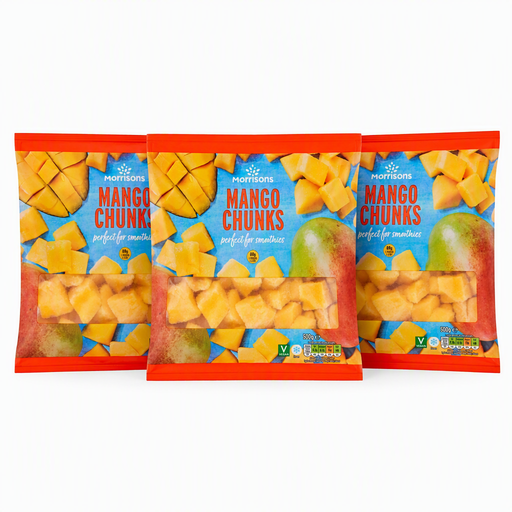
Why This Fits Their Persona: Three 500 g packs suit families, regular smoothie preparation and home cooks who use frozen mango chunks throughout the week.
The fruit is supplied as prepared chunks, removing the need to peel and cut mangoes before use.
Suitable for smoothies, desserts and cooking; supplied in three separate 500 g packs for easier portion planning.
We have compiled a complete, real-time list of products that fully satisfy these strict selection criteria and UK safety regulations.
Many products are labelled ready to eat, including selected red dates, raisins and dried apricots. Check whether the item contains pits, added sugar or sulphites first. Because dried fruit is concentrated, serving size matters when adding it to lunchboxes or snack containers.
Follow the product label. Some frozen fruit can be blended directly, while other products advise thorough thawing before direct consumption. Frozen mango information recommends thawing for smoothies and using the fruit piping hot throughout when added to cooked dishes.
Dried fruit should be kept sealed in a cool, dry place, with the packaging date used as the reference. Frozen fruit should remain at -18°C or below. Once thawed, do not refreeze unless the packaging specifically permits it; refrigerated thawed fruit should generally be used within the stated timeframe.