Runners packing a small snack
If you want something compact for your 5k routine and are looking mainly for carbohydrate, compare the amount you would actually carry and eat. Whether it sits comfortably around a run is a personal consideration.


Choose plain dried fruit for a portable, carbohydrate-focused snack if it suits your running routine, but not if the snack itself needs to provide substantial protein. The labelled apricot servings from Whitworths, Sainsbury's and Asda contain 0.7g to 1.2g protein; for a protein goal, check a separate food or another snack category rather than assuming a fruit-and-nut mix qualifies.
If you want something compact for your 5k routine and are looking mainly for carbohydrate, compare the amount you would actually carry and eat. Whether it sits comfortably around a run is a personal consideration.
If protein is an important part of the snack, check the labelled serving rather than the dried-fruit category name. The plain apricot examples from Whitworths, Sainsbury's and Asda provide 0.7g to 1.2g protein per labelled serving.
Compare the serving size, sulphite declaration and any stone warning on the exact pack. For routine snacking, the NHS also advises eating dried fruit at mealtimes rather than between meals to reduce tooth-decay risk.
Decide whether the snack is meant to provide carbohydrate, protein or both. Then compare labels using the portion you intend to eat, not just the per-100g figures.
| Priority | What to check | Your needs |
|---|---|---|
| Carbohydrate and timing | Read carbohydrate per labelled serving and consider the portion you can carry. The British Dietetic Association advises varying carbohydrate intake with training and competition demands. | I want a compact carbohydrate snack that fits when I plan to eat and that I find comfortable around a run. |
| Protein per portion | Check protein in the amount you will eat, including any separate food. Whitworths lists 0.7g per 30g of its apricots; Sainsbury's lists 1.1g per 40g apricot pack. | If protein matters to me, I need a labelled amount that meets my own goal, rather than assuming plain dried fruit or a fruit-and-nut mix will do so. |
| Portion and sugars | Compare carbohydrate and sugars per pack or serving. Sainsbury's lists 19.7g carbohydrate and 14.6g sugars in its 40g apricot pack; the NHS uses 30g of dried fruit as one 5 A Day portion. | With a large bag, I would portion out what I intend to take instead of estimating a handful. I also want to know the sugars in that amount. |
| Ingredients and warnings | Read the exact pack's ingredients, sulphite declaration and stone warning. The Food Standards Agency says sulphites are used in some dried fruit and notes a higher reaction risk to sulphur dioxide for people with asthma. | I need to check whether this particular product suits my ingredient concerns, rather than assuming every pack of the same fruit is prepared alike. |
Whitworths, Sainsbury's and Asda list 0.7g to 1.2g protein in the cited apricot servings, despite those products also supplying carbohydrate.
Read protein per serving first. If the fruit is your carbohydrate component, check the protein contribution of any separate food on its own label.
A pack or carried portion may be a different size. Sainsbury's 40g apricot pack lists 19.7g carbohydrate and 1.1g protein, while Asda's stated 30g serving of its 500g apricots corresponds to 11.1g carbohydrate and 1.2g protein from its per-100g panel.
Compare products using the amount you intend to eat, keeping the serving sizes visible alongside the figures.
The Food Standards Agency notes that sulphites can be used in dried fruit and that people with asthma have a higher risk of reacting to sulphur dioxide. Sainsbury's organic dried apricots warn that some stones may remain.
Check the ingredients, allergen declaration and safety information on the exact pack; do not apply one apricot product's details to another.
It becomes harder to judge how much you have eaten. The NHS advises having dried fruit at mealtimes rather than between meals to reduce tooth-decay risk.
Portion out the amount you plan to eat and take that NHS mealtime advice into account when planning snacks around training.
These ranges illustrate why the individual product label matters; a brand's range does not establish the nutrition of every item in it.
Whitworths sells dried fruit, nuts and seeds. Its own panel for 1DERS Brain Boosting Apricots lists 11.8g carbohydrate and 0.7g protein per 30g.
Tesco lists seedless raisins in a 12-pack snack format and a 1kg bag.
Its 40g dried-apricot pack lists 19.7g carbohydrate and 1.1g protein per pack; its SO Organic dried apricots list 15.1g carbohydrate and 0.7g protein per 30g.
Asda's 500g apricots list 37g carbohydrate and 4.0g protein per 100g.
The M&S fruit-snack range includes dates, raisins, apricots, prunes and fruit-and-nut medleys.
Sunsweet focuses on prunes and related products on its UK site.
These options cover plain dried fruit, an apricot-and-almond bar, and a seed-and-goji-berry mix. They serve different parts of the 5k snack decision: check the label for the carbohydrate and protein in the portion you would actually eat.
 No image available
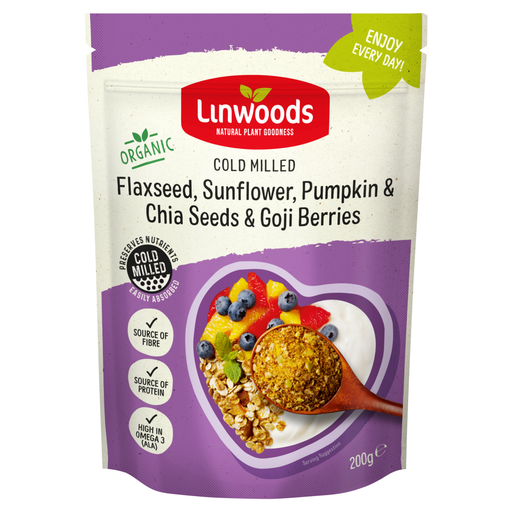
A seed-and-goji-berry mix to consider if you want an alternative to plain dried fruit; check protein per serving against your goal. The 200g bag needs portioning for carrying, and it is worth trying the mix within your usual routine before relying on it around a run.
 No image available
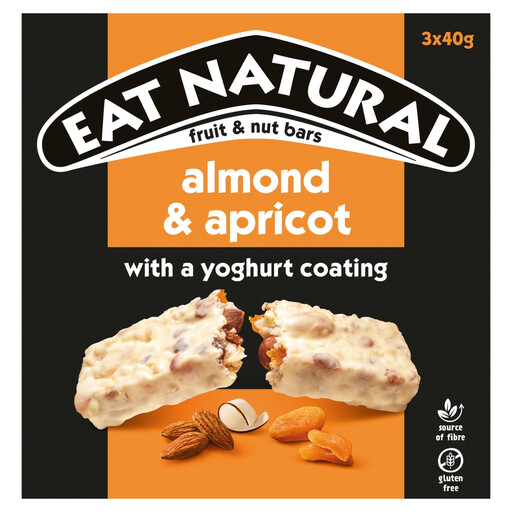
This apricot-and-almond bar offers a different format from plain fruit. Check protein for the bar you would eat rather than assuming it meets a high-protein goal; its nuts, yoghurt coating and nutshell-fragment warning also matter when checking suitability.
 No image available
The twelve 14g boxes provide pre-portioned dried fruit for carrying. Choose them for that format rather than a presumed protein contribution, and check the pack label for the nutrition in one box. The NHS advises eating dried fruit at mealtimes rather than between meals to reduce tooth-decay risk.
 No image available
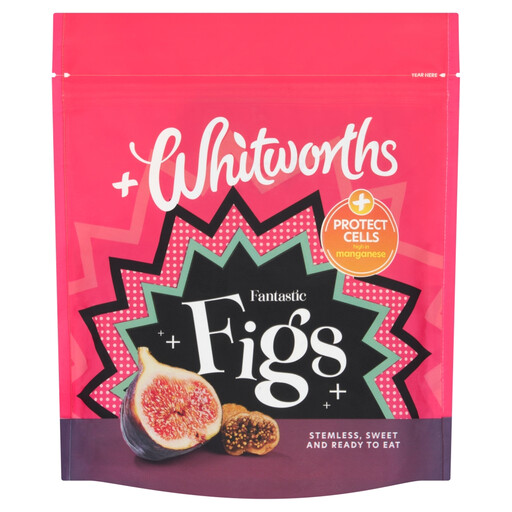
These dried figs are a plain-fruit option if you prefer to portion your own snack from a 175g bag. Check the labelled carbohydrate and protein for the amount you pack; do not treat figs as a high-protein choice on the strength of the fruit type alone.
The cited plain-apricot products are not substantial protein servings: Whitworths lists 0.7g per 30g, Sainsbury's lists 1.1g per 40g pack, and Asda's 500g apricots list 4.0g per 100g. Check any other product's own serving label rather than assuming all dried fruit has identical values.
It can be a carbohydrate-focused snack at a time that suits your routine and digestion; the British Dietetic Association advises matching carbohydrate intake to training and competition demands. If you also want protein after the run, check a separate food or another snack category rather than relying on plain dried fruit.
The NHS says 30g of dried fruit counts as one 5 A Day portion. It advises eating dried fruit at mealtimes, not as a between-meal snack, to reduce tooth-decay risk.
Yes, check the exact pack if sulphites are a concern. The Food Standards Agency says sulphur dioxide or sulphites are often used in dried fruit and notes a higher risk of reaction to sulphur dioxide for people with asthma; ingredients differ between products.
No. Sainsbury's warns that some stones may remain in its SO Organic dried apricots despite efforts to remove them. Read the safety information on the product you buy and take care when eating it.