What should you check before choosing?
Decide whether you want a snack at all, then compare the portion you would eat rather than judging products by the calories printed for different serving sizes.
| Priority | What to check | Your needs |
|---|
| Run and meal timing |
Consider when you last ate and whether you want food before the run. The British Dietetic Association describes a low-fat, high-carbohydrate snack or light meal two to three hours before exercise in its general guidance. |
I may prefer a small snack before a 5k, but I do not need to treat dried fruit as essential fuel for a general-fitness run. |
| Comparable portions |
Read kcal per pack or serving, then compare per 30g or per 100g where labels allow. Whitworths Sunny Raisins list 47 kcal per 14g box; Tesco Soft Apricots list 63 kcal per 30g. |
A smaller number on a mini pack is useful for planning what I will eat, but I do not want to mistake a smaller portion for a lower-calorie fruit at the same weight. |
| Carbohydrate amount |
Check carbohydrate for the stated portion, not just the bag size. Whitworths lists 10.7g per 14g Sunny Raisins box; Sainsbury's lists 15.1g per 30g of its SO Organic Dried Apricots. |
If I want only a small snack, a mini pack may suit my appetite. If I am planning a fuller pre-run meal, I will not treat that pack as the whole meal. |
| Ingredients and warnings |
Check the current ingredients, sulphite declaration and may-contain statements on the exact product. Formulations differ even between dried-apricot packs. |
I need to know what is in my chosen pack, particularly if sulphites or nut cross-contact affect my choice. |
| Eating occasion |
Plan when you will eat the portion. The NHS counts 30g of dried fruit as one 5 A Day portion and advises eating dried fruit at mealtimes rather than between meals to reduce tooth-decay risk. |
I would rather plan one portion with a meal than keep picking from a larger bag throughout the day. |
Brand and retailer references
These examples show why the exact pack matters: serving sizes, ingredients and warnings vary within dried-fruit ranges.
Tesco
Tesco lists dried-fruit options including apricots, raisins, sultanas, dates and prunes.
- Tesco Soft Apricots list 63 kcal per 30g serving.
- Use the label for the fruit and pack you choose; the Soft Apricots figure does not describe the whole range.
Whitworths
Whitworths Sunny Raisins are sold in small 14g boxes.
- Whitworths lists 47 kcal and 10.7g carbohydrate per box.
- A 14g box is a small portion, not a substitute for a larger meal.
Sainsbury's
Sainsbury's lists both a 40g dried-apricot pack and SO Organic Dried Apricots with a 30g stated serving.
- The organic product lists 68 kcal and 15.1g carbohydrate per 30g; the 40g pack lists 91 kcal and 19.7g carbohydrate per pack.
- Their ingredient lists differ: the 40g pack declares potassium sorbate and sulphur dioxide, while the organic product lists dried apricots as its ingredient.
Asda
Asda's Three Raisin Mix comes in a 200g bag with nutrition stated for one-sixth of the pack.
- Asda lists 98 kcal for that stated portion.
- The mix declares sulphites and may contain peanuts and nuts; check the pack if those warnings matter to you.
M&S
The M&S fruit-snack catalogue lists plain dried fruits, snack boxes and mixed products.
- The listed formats give shoppers a choice between individual snacks and larger packs.
- Check the selected product's portion and nutrition label before comparing it with another dried fruit.
Joybuy dried-fruit options
These Joybuy options include mini raisin boxes, portioned dates and several prune or dried-plum packs. Compare their stated pack sizes and ingredients for the snack you have in mind; they are not substitutes for the retailer products discussed above.
 No image available
Organix Goodies Raisins 12+ Months, 12 x 14g
The 14g boxes offer a stated portion size if you want a small raisin snack before a run. Check this product's own nutrition panel rather than applying figures from another brand's 14g box.
View on Joybuy
 No image available
J.ZAO Pitted Chilean Prunes 500g
If you are considering prunes as a planned snack, measure the portion you want from this 500g product. Check its ingredient and nutrition panels before comparing it with plain-fruit options.
View on Joybuy
 No image available
Hao Xiang Ni Ready-to-Eat Red Dates 900g, 30 x 30g
The 30g sachets provide a stated amount to compare with other dried-fruit portions. These are red dates, not apricots: check their own kcal and carbohydrate figures, along with the pack's preparation instructions.
View on Joybuy
 No image available
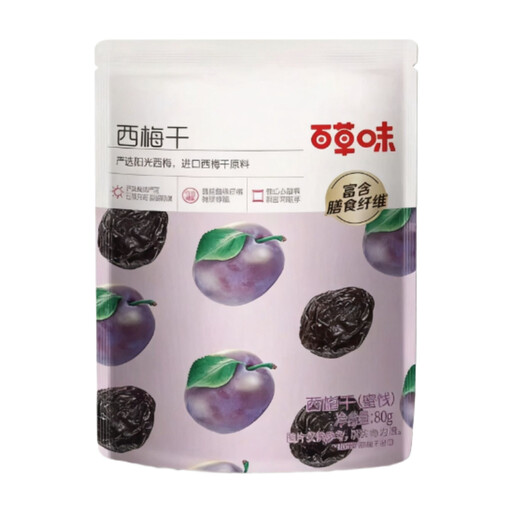
Be&Cheery Dried Plums 80g, 14 Small Bags
The 80g outer pack contains 14 small bags, a format to consider if you prefer a separately packed portion. Read the ingredients and nutrition information for this product before treating it as equivalent to plain dried plums.
View on Joybuy
 No image available
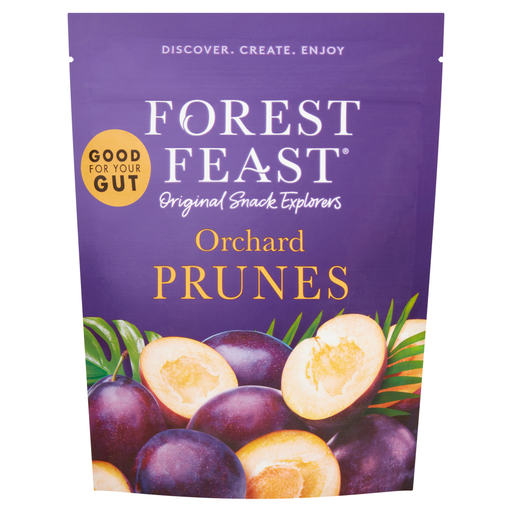
Forest Feast Orchard Prunes 200g
For a snack from this 200g bag, set aside a portion rather than using the bag size as a serving. Check the current label for its ingredients, nutrition and storage instructions.
View on Joybuy
Questions about dried fruit and 5k runs
Do I need dried fruit to fuel a 5k?
No particular dried fruit is required for a general-fitness 5k. The British Dietetic Association says carbohydrate needs for a general fitness programme can generally be met through a normal diet; a pre-exercise snack is an option if you prefer to eat before running.
How can I compare dried-fruit portions if I am watching calories?
Compare the kcal for the amount you would eat, then use a common weight to compare products. Tesco lists 63 kcal per 30g of Soft Apricots and Sainsbury's lists 68 kcal per 30g of SO Organic Dried Apricots; Whitworths Sunny Raisins list 47 kcal for a smaller 14g box. The NHS uses 30g as one 5 A Day portion of dried fruit, not as a required pre-run serving.
Should I try dried fruit immediately before running?
If you want a pre-run snack, allow for your usual appetite and timing rather than trying a new food just before an important run. The British Dietetic Association's general guidance describes a low-fat, high-carbohydrate snack or light meal two to three hours before exercise; you can try your chosen food and timing during ordinary training.
Do dried apricots and raisins always contain sulphites?
No: declarations differ by product, so read the exact pack. The Food Standards Agency identifies sulphur dioxide and sulphites as ingredients used in some dried fruit. Sainsbury's 40g dried apricots list sulphur dioxide, while its SO Organic Dried Apricots list dried apricots as the ingredient.
Is dried fruit better eaten with a meal or between meals?
The NHS advises eating dried fruit at mealtimes rather than as a between-meal snack to reduce tooth-decay risk. It also counts 30g of dried fruit as one 5 A Day portion; that portion reference does not mean you need dried fruit for a 5k.


