People planning a post-exercise meal
If you need to refuel soon after intense or prolonged exercise, plain dried fruit can be a carbohydrate addition to a meal. Check what else the meal provides rather than treating the fruit as the whole plan.


If you want dried fruit with relatively little fat after exercise, start with plain, uncoated varieties and compare labels: M&S lists 0.4g fat per 100g for its plain raisins, versus 17.8g per 100g for its chocolate-coated raisins. The British Dietetic Association advises starting carbohydrate-rich foods and fluids soon after exercise when quick recovery is needed. Plain raisins provide carbohydrate but little protein, so include a protein-containing food in the meal if you need more than a small snack.
If you need to refuel soon after intense or prolonged exercise, plain dried fruit can be a carbohydrate addition to a meal. Check what else the meal provides rather than treating the fruit as the whole plan.
A small raisin box is easier to carry and portion than a large bag. Its size also matters: Whitworths Sunny Raisins contain 10.7g carbohydrate per 14g box, so compare the pack with the rest of your meal.
Diabetes UK says a 30g dried-fruit serving can contain as much as 20g carbohydrate, while exercise can affect blood glucose differently according to the activity and individual circumstances. Check the portion against your own monitoring and care plan.
Start with the fat and carbohydrate figures for the amount you expect to eat, then consider what else will be in your post-exercise meal.
| Priority | What to check | Your needs |
|---|---|---|
| Carbohydrate | Compare carbohydrate per serving and the serving size. Tesco Seedless Raisins list 18.8g available carbohydrate per 30g; the British Dietetic Association advises carbohydrate-rich food and fluids soon after exercise if quick recovery is required. | I need a carbohydrate addition after a demanding session, particularly if another session is coming soon. |
| Protein pairing | Consider the other foods in the meal. Tesco Seedless Raisins list 0.9g protein per 30g, while M&S Raisins list 2.1g per 100g; these are different serving bases. | If this is my post-exercise meal rather than a small snack, I want something protein-containing alongside the fruit. |
| Fat and ingredients | Compare fat on the same per-100g basis and read the ingredients. M&S lists 0.4g fat per 100g for plain raisins and 17.8g per 100g for its Belgian Milk Chocolate Raisins; nut-containing mixes are another distinct format. | I prefer plain dried fruit when keeping fat down matters, rather than assuming a coated or mixed snack has the same composition. |
| Portion and timing | Check the pack size against the amount you intend to eat. The NHS counts 30g dried fruit as one 5 A Day portion and advises eating dried fruit at mealtimes. | A small pack suits me when I want a measured amount; with a larger bag, I would portion some out for a meal. |
M&S lists 0.4g fat per 100g for its plain raisins and 17.8g per 100g for its Belgian Milk Chocolate Raisins. The coating changes what you are comparing.
For a reduced-fat preference, compare the fat line per 100g before choosing coated fruit or a fruit-and-nut mix.
Plain raisins supply carbohydrate but relatively little protein: Tesco lists 0.9g protein per 30g of its Seedless Raisins.
When you need a more substantial meal after exercise, use dried fruit as one component and include a protein-containing food.
Sainsbury's Mixed Dried Fruit contains candied mixed peel made with glucose-fructose syrup, so it differs from a plain-raisin product.
Read the full ingredient list if you want fruit without candied pieces, coatings or added nuts.
Diabetes UK says a 30g dried-fruit serving can contain as much as 20g carbohydrate. Mixes and coated products can also have ingredients relevant to allergies.
Portion dried fruit for your meal and check the current ingredients and allergen information before eating, particularly if you need to track carbohydrate or avoid an ingredient.
These examples show why the particular product label matters more than the brand name alone.
Tesco Seedless Raisins come in a 1kg bag for portioning into meals or baking.
Its range includes 14g Mini Snack Raisins packs and a larger mixed dried-fruit product.
M&S sells plain raisins as well as coated raisin snacks.
Whitworths offers portioned Sunny Raisins and a separate fruit-and-nut mix.
These packs cover wolfberries, dried figs and small freeze-dried fruit portions to consider as additions to a post-exercise meal. Compare each pack's nutrition and preparation instructions with your needs rather than assuming every dried fruit is ready to eat or nutritionally alike.
 No image available
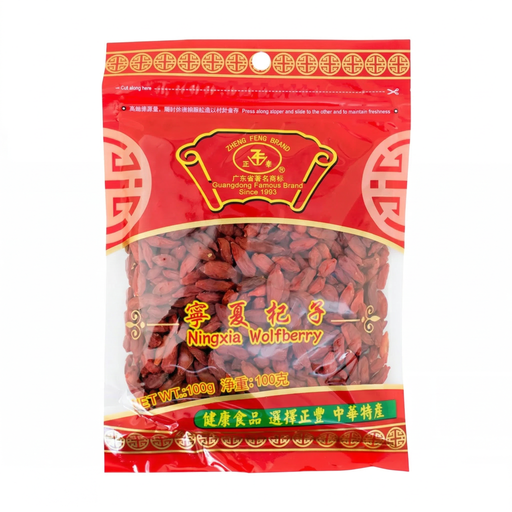
A 100g wolfberry pack to consider as part of a post-exercise meal. The product instructions call for washing and thorough cooking before consumption.
 No image available
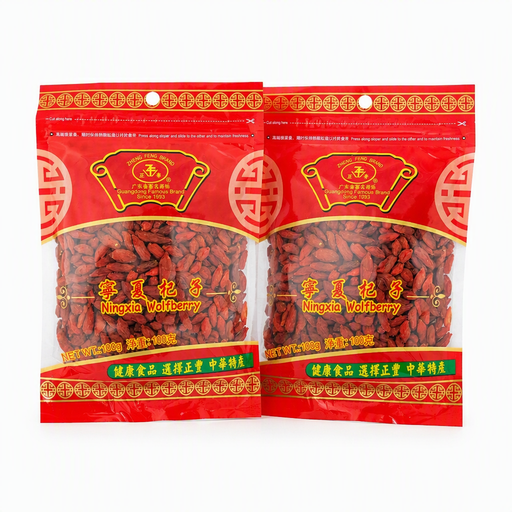
Two 100g wolfberry packs for portioning into meals. Follow the product instructions to wash and cook the wolfberries thoroughly before consumption.
 No image available
A 175g pack of dried figs that you can portion for a post-exercise meal. Check the current pack for nut and peanut handling information if that matters to you.
 No image available
A small 10g mango pack to carry with a post-exercise meal. Compare its serving size and nutrition panel with the amount of food you want after your session.
 No image available
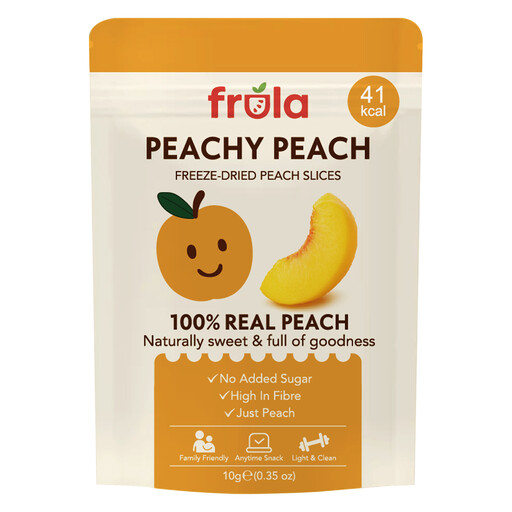
A 10g peach pack for a measured portion alongside other food after exercise. Check the nutrition panel if you are comparing carbohydrate and fat across pack sizes.
If you need a substantial post-exercise meal, use dried fruit as a carbohydrate component rather than the whole meal. Tesco Seedless Raisins, for example, list 0.9g protein per 30g, so consider a protein-containing food alongside them.
Start by comparing plain, uncoated products on a per-100g basis. M&S lists 0.4g fat per 100g for its plain Raisins and 17.8g per 100g for its Belgian Milk Chocolate Raisins; check the specific product rather than relying on the dried-fruit category name.
A 14g raisin pack is smaller than the NHS's 30g dried-fruit reference for one 5 A Day portion. How much food you want after exercise also depends on the session and the rest of your meal; the 30g reference is not a post-workout prescription.
The NHS advises eating dried fruit at mealtimes. If you need to refuel quickly after exercise, the British Dietetic Association advises starting carbohydrate-rich foods and fluids soon afterwards; adding a measured amount of dried fruit to a post-exercise meal can fit both points.
Check the dried-fruit portion against your individual monitoring and care plan. Diabetes UK says 30g dried fruit can contain as much as 20g carbohydrate and that blood glucose responses to exercise vary with the activity and individual circumstances.