Who is each snack for?
For an afternoon tea break, the deciding question is whether you need a product that qualifies as high protein or simply prefer fruit, nuts or a portable bar.
Shoppers looking for a high-protein snack
Compare protein with the food's energy value, not just its name or protein per serving. Plain dried fruit and the fruit-and-nut mixes described here do not meet the UK high-protein threshold; the Eat Natural bar described by Tesco does.
Plant-based fruit-and-nut bar buyers
A portable bar may suit your dietary requirements without qualifying as high protein. Sainsbury's describes the Nakd Cherry bar as vegan, gluten-free and dairy-free and lists 6.2g protein per 45g bar; its declared protein and energy values fall below the UK high-protein threshold.
Snackers checking sugars or allergens
Compare the portion you would eat, then read the ingredients and allergen declaration. Fruit-and-nut products can contain peanuts, tree nuts, soya, milk ingredients or sulphites, while their sugars per serving also vary.
What should you check before choosing?
Start with the role of the snack: plain dried fruit for fruit flavour, a loose mix for fruit and nuts, or a bar whose nutrition values meet a specific protein requirement. Then compare portions and ingredients, because the formats are not interchangeable.
| Priority |
What to check |
Your needs |
| High-protein claim |
Read protein and energy values for the same quantity. Under the UK rule set out by legislation.gov.uk, at least 20% of the food's energy must come from protein for a high-protein claim; the Department of Health and Social Care's 2024 guidance covers these retained nutrition-claim rules. |
If high protein is non-negotiable, I need to check the calculation rather than rely on the word ‘protein’ in a bar's name. Tesco's declared values put the Eat Natural fruit-and-nut bar at about 21% of energy from protein. |
| Snack format |
Compare protein per serving and per 100g, and check whether the product is plain fruit, a fruit-and-nut mix or a bar. Sainsbury's lists 0.7g protein per 30g of its mixed dried fruit; Whitworths lists 4.1g per 30g of its 1DERS fruit-and-nut mix. |
For a fruit-focused tea break, I may prefer loose dried fruit. If protein is the reason for buying the snack, I need a different format and must still check whether it qualifies as high protein. |
| Sugars and portion |
Read sugars for the portion you plan to eat alongside the ingredient list. Sainsbury's lists 22.2g sugars per 30g of mixed dried fruit, while its listing for the Nakd Cherry bar gives 15g per 45g bar; those are different portion sizes. |
I want to know how sweet my usual portion is, rather than assume that dried fruit or ‘no added sugar’ wording tells me the sugars per serving. |
| Ingredients and allergens |
Check the current pack's ingredients, declared allergens and any may-contain statement. The Tesco-listed Eat Natural bar includes peanuts, soya, almonds and milk-containing caramel; ASDA lists several nuts, peanuts and sulphites in its Fruit & Nut Mix. |
If I need to avoid an ingredient, a vegan label or a dried-fruit description is not enough to decide whether this particular snack suits me. |
Brand and retailer examples
These named products illustrate how nutrition and ingredients change across snack formats; the figures describe the specified products, not every item made or stocked by each brand or retailer.
Whitworths
Whitworths' 1DERS Energising Fruit and Nut Mix is a 30g pack containing peanuts, raisins and sweetened dried cranberries.
- Whitworths lists 4.1g protein per 30g pack.
- Its declared protein and energy values put it below the UK high-protein threshold. Check the pack for peanuts and other allergen statements.
Sainsbury's
Sainsbury's lists both its own mixed dried fruit and the Nakd Cherry Fruit & Nut Protein Bar, showing the difference between fruit-only and bar formats.
- The Nakd Cherry listing gives 6.2g protein per 45g bar and describes it as vegan, gluten-free and dairy-free.
- Sainsbury's Mixed Dried Fruit lists 0.7g protein per 30g. The Nakd bar's declared values also fall below the UK high-protein threshold.
Tesco
Tesco lists the Eat Natural Fruit & Nut Protein Bar with Peanuts, Almonds & Salted Caramel, a dried-fruit-containing bar rather than plain fruit.
- Tesco lists 26g protein and 496kcal per 100g, equivalent to about 21% of energy from protein and above the UK high-protein threshold set out by legislation.gov.uk.
- Its listed ingredients include peanuts, soya protein crispies, honey, almonds and milk-containing caramel.
ASDA
ASDA Fruit & Nut Mix is a loose alternative to an individually wrapped bar.
- ASDA lists 11g protein per 100g for this mix.
- It falls below the UK high-protein threshold and contains several nuts, peanuts and sulphites.
M&S
M&S Orchard Fruits Medley is a dried-fruit mix for someone choosing fruit flavour rather than a protein-led bar.
- M&S lists 2.0g protein per 100g, making the protein comparison straightforward.
- M&S marks this product unsuitable for people with nut, peanut or sesame allergies.
Joybuy snack options
These options cover a peanut-and-chocolate protein bar, plain nuts and a seed-and-goji-berry mix. Plain nuts do not contain dried fruit, and a seed mix used as a topping serves a different tea-break purpose from a ready-to-eat bar; check each product against the snack you actually want.
 No image available
Nature Valley Protein Peanut & Chocolate Bar 4 x 40g
An individually wrapped peanut-and-chocolate bar is an option for a portable tea-break snack, but it is not a dried-fruit snack. If a high-protein claim is central to your choice, compare the current pack's protein and energy values; check its allergen declaration for peanuts, soya and milk.
View on Joybuy
 No image available
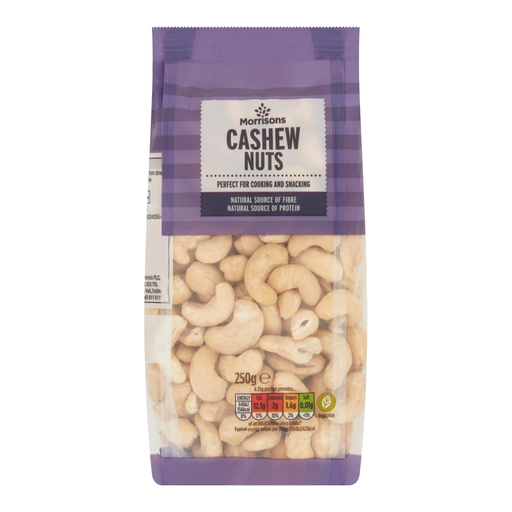
Morrisons Cashew Nuts 250g
These are plain cashews, not a fruit-and-nut mix; the 250g bag is a different format from an individual bar. If you want dried fruit alongside them, that would be a separate choice. Check the current pack's allergen and may-contain statements.
View on Joybuy
 No image available
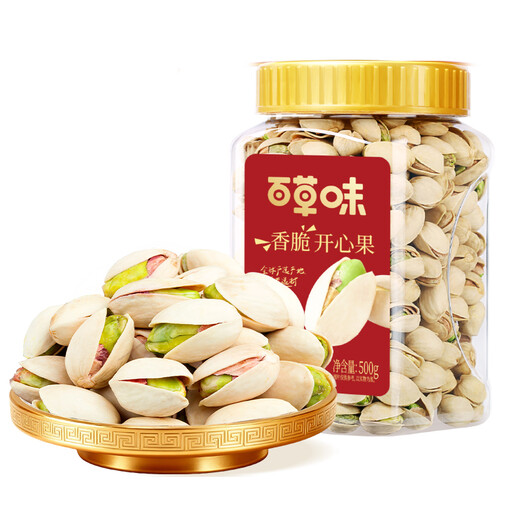
BE&CHEERY Pistachios 500g
A 500g bag of pistachios offers a nut snack rather than dried fruit or a single-serving bar. Compare a portion that suits your tea break, and read the current pack's ingredients and allergen declaration.
View on Joybuy
 No image available
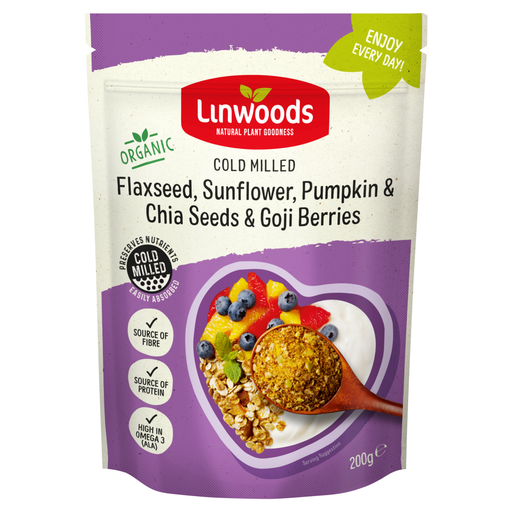
Linwoods Flaxseed, Sunflower, Pumpkin & Chia Seeds & Goji Berries 200g
This loose seed-and-goji-berry mix suits someone adding a topping to another food rather than choosing an individually wrapped tea-break bar. Check the portion used and the current pack's allergen and may-contain statements.
View on Joybuy
Questions about protein and dried fruit
How do I check a high-protein claim on a dried-fruit snack?
Compare protein with total energy for the same quantity of food. For a UK high-protein claim, the rule set out by legislation.gov.uk requires at least 20% of the food's energy to come from protein; the Department of Health and Social Care's 2024 guidance covers the retained nutrition-claim rules. Multiply protein grams by 4kcal, divide by the matching total kcal and multiply by 100. Tesco's figures put the specified Eat Natural bar at about 21%.
Is plain dried fruit a high-protein afternoon snack?
Do not choose plain dried fruit on the assumption that it is high protein. Sainsbury's lists 0.7g protein per 30g serving of its Mixed Dried Fruit; that product suits a fruit-focused choice rather than the same protein requirement as a qualifying bar.
Does a vegan fruit-and-nut protein bar qualify as high protein?
Vegan status does not establish a high-protein claim. Sainsbury's describes its Nakd Cherry Fruit & Nut Protein Bar as vegan, gluten-free and dairy-free and lists 6.2g protein per 45g bar, but its declared protein and energy values fall below the UK 20% high-protein threshold set out by legislation.gov.uk.
Which allergens matter when comparing fruit-and-nut snacks?
Read the current pack's ingredients, allergen declaration and any may-contain statement for the exact product. The examples listed by Tesco, Whitworths and ASDA show that these snacks can contain peanuts or tree nuts; the specified Tesco bar also lists soya and milk-containing ingredients, while ASDA lists sulphites in its Fruit & Nut Mix.


