Parents avoiding a particular allergen
When a child must avoid an identified allergen, compare the ingredients and any precautionary allergen statement on the exact pack. A description such as “plain fruit” does not answer that question.


Choose dried fruit for baby-led weaning only after identifying the particular allergen to avoid and checking the current pack’s ingredients and precautionary allergen statements. A short ingredient list is easier to assess than a mixed-fruit recipe, but it does not establish that a product is free from cross-contact. Before serving, check for stones or pips, prepare a size and texture the child can manage, and keep them upright and supervised, as NHS guidance advises.
When a child must avoid an identified allergen, compare the ingredients and any precautionary allergen statement on the exact pack. A description such as “plain fruit” does not answer that question.
From around six months, self-feeding introduces different textures. NHS guidance calls for attention to food’s size, shape and texture, with the child seated upright and supervised while eating.
A single-fruit pack and a mixed baking-fruit pack can have quite different ingredients. Preservatives, candied peel and warnings about pips or stones can all affect what you choose and how you prepare it.
Start with the allergen that needs avoiding, then assess the current pack and the form in which you would serve the fruit.
| Priority | What to check | Your needs |
|---|---|---|
| Allergen information | Read the exact pack’s ingredients, emphasised allergens and any “may contain” wording. The Food Standards Agency explains that precautionary wording concerns possible unintended allergen presence. | I need to check whether this particular product fits the allergen my child must avoid, including any relevant cross-contact warning. |
| Ingredients and additions | Compare the complete ingredient lists, not just the fruit named on the front. Tesco Groceries lists candied peel containing sugar, glucose syrup and sulphur dioxide in its dried mixed fruit; ASDA Groceries lists sulphur dioxide in Whitworths Amazing Apricots. | A shorter list would make it easier for me to review each ingredient. If sulphites must be avoided, I need to check for them even in a pack centred on one fruit. |
| Size, shape and texture | Consider whether the prepared fruit is manageable for the child; inspect it for stones or pips. NHS guidance says to consider size, shape and texture, seat the child upright and supervise eating. | Chewy fruit may need preparing differently before my child can manage it. I also need to check each portion for hard remnants. |
| When to serve it | Consider offering dried fruit as part of a meal. Medway Community Healthcare notes that it contains sugars and can stick to teeth, and advises against using it as a between-meal snack. | I want to include dried fruit in a meal rather than make sticky fruit a frequent snack between meals. |
An ingredient list and a precautionary allergen statement answer different questions. The Food Standards Agency explains that “may contain” wording communicates possible unintended presence of an allergen.
Identify the allergen to avoid and read both parts of the current packaging for the exact product.
Tesco Groceries lists candied peel, glucose syrup, sugar and sulphur dioxide in its dried mixed fruit, and warns that pips may be present. Those details change both the label check and the preparation needed.
Compare the full ingredients and warnings before choosing a mix for a child; a single-fruit name is not itself an allergen-free claim either.
NHS guidance identifies size, shape and texture as choking-risk considerations. The cited Whitworths apricots and Tesco mixed fruit also carry warnings about possible stones or pips.
Inspect each portion, remove hard remnants and prepare the fruit in a form the child can manage. Seat the child upright and supervise eating.
Medway Community Healthcare notes that dried fruit contains sugars and can stick to teeth.
Offer it as part of a meal rather than repeatedly between meals.
These product examples show why the exact pack matters; a brand name alone does not establish allergen suitability.
The Whitworths Amazing Apricots listed by ASDA Groceries provide an example of a named fruit product with additional ingredients and a safety warning.
Tesco Dried Mixed Fruit illustrates how a baking mix can differ from a simpler fruit pack.
Sainsbury’s Seedless Raisins offer an example of a short listed ingredient list, rather than a guarantee about every allergen.
These options include raisins, prunes, red dates and wolfberries to assess for meals or cooking. None should be treated as suitable for a particular allergen exclusion without checking its current pack, and each needs an appropriate serving form for the child.
 No image available
The stated age guidance is 12 months and over, so do not use the pack’s toddler positioning as a serving recommendation for a younger baby. Check its current allergen information, and serve the raisins only in a form the child can manage, with an adult supervising. For dried fruit, Medway Community Healthcare advises offering it with a meal rather than between meals.
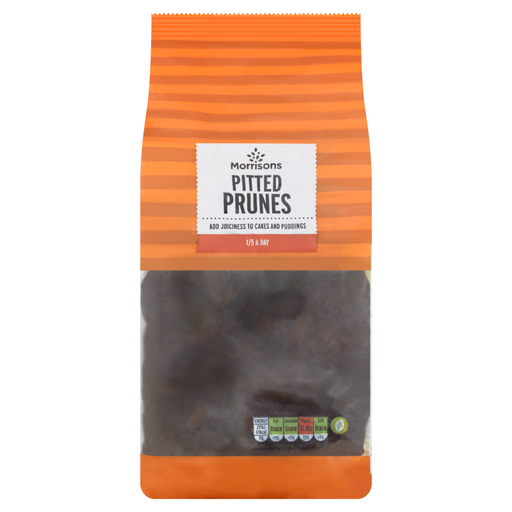 No image available
These are labelled as pitted prunes, but inspect each piece for hard remnants before preparing it for a child. Check the current ingredients and allergen wording against the required exclusion, then adapt the size and texture to what the child can manage.
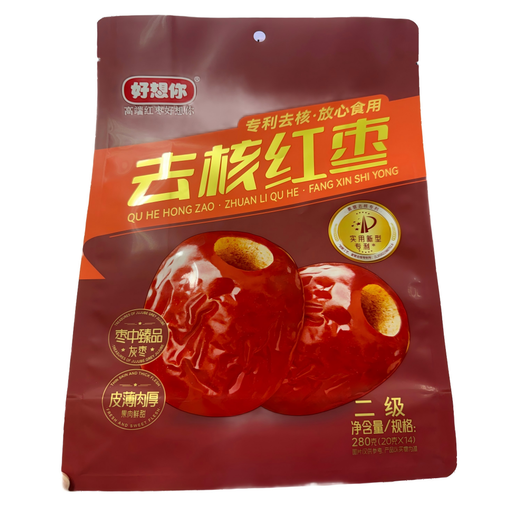 No image available
The title describes these red dates as pitted; inspect them for hard remnants nevertheless. Check the current ingredients and allergen information, and prepare a size and texture the child can manage before serving.
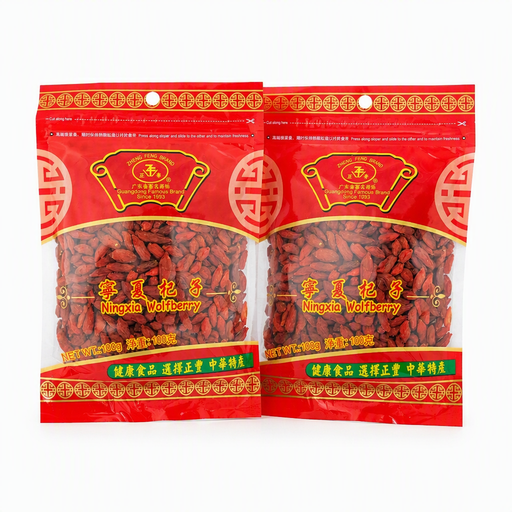 No image available
Consider these wolfberries as an ingredient for a cooked dish rather than serving them dry to a baby. Follow the pack’s preparation directions, check its allergen information and make sure the cooked fruit’s size and texture are manageable before serving.
 No image available
Do not rely on a “sugar-free” phrase in the product’s longer title when comparing it with other fruit: check the current ingredients and sugars per 100g on the pack. Although described as pitted, each prune still needs inspecting and preparing in a manageable form before serving to a child.
Only if you can prepare it in a size, shape and texture the child can manage. NHS guidance advises seating babies upright and supervising them while they eat; inspect dried fruit for stones or pips before serving it.
No. The Food Standards Agency explains that precautionary wording such as “may contain” concerns possible unintended allergen presence. Check the current pack for both ingredients and relevant precautionary statements against the specific allergen that must be avoided.
Identify that allergen, then read the current ingredients, emphasised allergen information and any precautionary statement for the exact pack. Sainsbury’s advises reading packaging because product ingredients can change, rather than relying solely on an online listing.
Medway Community Healthcare advises offering dried fruit as part of a meal rather than as a between-meal snack. It notes that dried fruit contains sugars and can stick to teeth.