Carers starting baby-led weaning
If you are introducing finger foods, start with the size and texture of each piece. GOV.UK says babies under one should not be given whole raisins or dried fruit; it should be cut into small pieces.


Do not choose dried fruit for baby-led weaning by calorie count alone: for babies under one, GOV.UK says not to serve whole raisins or dried fruit and to cut them into small pieces. Crazy Jack Organic Soft Apricots and Whitworths Favourites Apricots each declare 47 kcal per 30g, but that figure does not make either product ready to serve to a baby. For toddlers, the NHS advises offering dried fruit with meals rather than between them.
If you are introducing finger foods, start with the size and texture of each piece. GOV.UK says babies under one should not be given whole raisins or dried fruit; it should be cut into small pieces.
If dried fruit is part of a toddler’s diet, consider when it is served as well as what is in the pack. The NHS advises giving dried fruit with meals, not as a snack between them.
If you are comparing apricots, mixed fruit and snack packs, use the same weight when reading energy figures. A lower figure does not settle whether the fruit’s shape, texture and ingredients suit the child.
Check how you would prepare and serve the fruit before comparing nutrition figures. Then read the ingredients and compare packs on the same weight basis.
| Priority | What to check | Your needs |
|---|---|---|
| Size and texture | GOV.UK says to cut dried fruit into small pieces for babies under one, rather than serve it whole. Inspect stone fruit for hard fragments; the M&S Collection Soft Apricots label warns that stones may remain. | I need pieces my child can manage, not whole, chewy fruit handed over straight from the pack. |
| Meal timing | For toddlers, the NHS advises serving dried fruit with meals rather than between them because its sugars can cause tooth decay. | I want to include dried fruit in a toddler meal rather than make it a regular between-meal snack. |
| Ingredients | Read the full ingredient list for added sugar, syrup, candied peel, preservatives and relevant allergens. Sainsbury’s Mixed Dried Fruit, for example, lists candied peel, glucose-fructose syrup and sugar. | A plainly labelled single fruit makes it easier for me to see what I am preparing. |
| Energy comparison | Compare equal weights: Tesco Groceries lists Crazy Jack Organic Soft Apricots at 47 kcal per 30g, and Whitworths lists Favourites Apricots at 47 kcal per 30g. Check the portion shown on other packs before comparing figures. | I want to understand the label without treating fewer calories as proof that a product suits baby-led weaning. |
A lower energy figure says nothing about whether a whole piece is safe to serve to a baby. GOV.UK’s advice to cut dried fruit into small pieces still applies to lower-energy products.
Check the child’s ability to manage the prepared texture, inspect the fruit and cut it appropriately before comparing energy on an equal-weight basis.
The NHS advises giving dried fruit to toddlers with meals rather than between them because its sugars can cause tooth decay.
Plan a prepared amount as part of a meal instead of repeatedly offering fruit from a snack pack.
A soft texture does not remove the need to cut dried fruit for a baby under one. M&S also warns that stones may remain in its Collection Soft Apricots.
Read the current pack, inspect each piece for hard fragments and cut it into small pieces before serving.
Ingredients can differ substantially: Sainsbury’s Mixed Dried Fruit lists candied peel, glucose-fructose syrup and sugar. A mixed pack also requires you to assess each fruit’s size and texture.
For a simpler comparison, start with a single-fruit product and check its ingredients and preparation needs. Do not serve whole nuts to a baby as part of a fruit-and-nut mix.
These examples show why it helps to read the label of the particular product, rather than judge every dried fruit sold under one brand in the same way.
Whitworths lists partially rehydrated apricots among its dried-fruit products.
Tesco’s own-brand range includes a 50g soft-apricot snack pack.
M&S Collection Soft Apricots are a partially rehydrated dried-fruit example.
These Joybuy options include figs, apricots and raisins. Compare their pack details for your intended meal, and prepare dried fruit for the child’s age rather than treating a product name or snack-pack format as serving advice.
 No image available
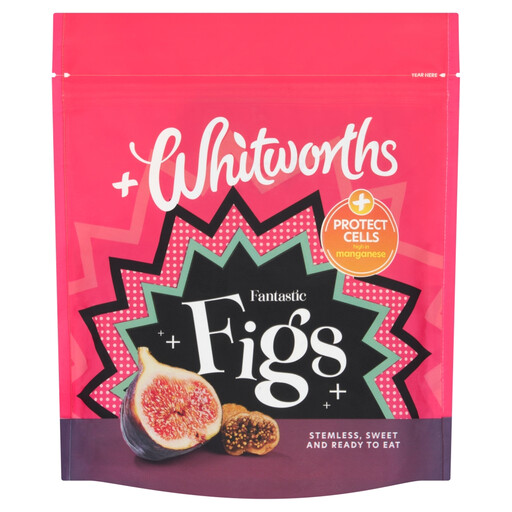
For a meal using dried figs, check the ingredients and whether you can prepare the texture for your child. GOV.UK says dried fruit must not be served whole to babies under one; cut it into small pieces.
 No image available
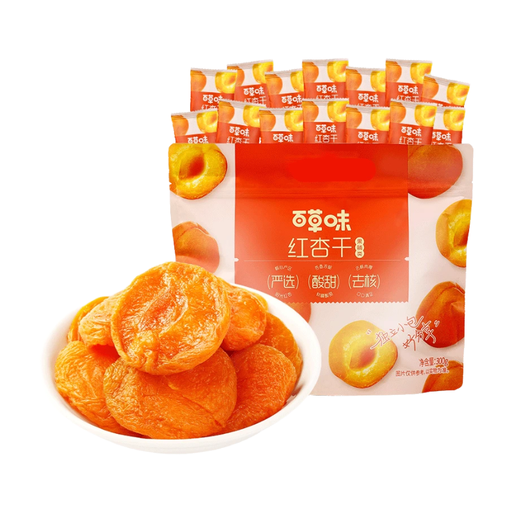
If choosing apricots for a child’s meal, inspect each piece for stones or hard fragments and check the pack ingredients. For babies under one, cut the dried fruit into small pieces rather than serving it whole.
 No image available
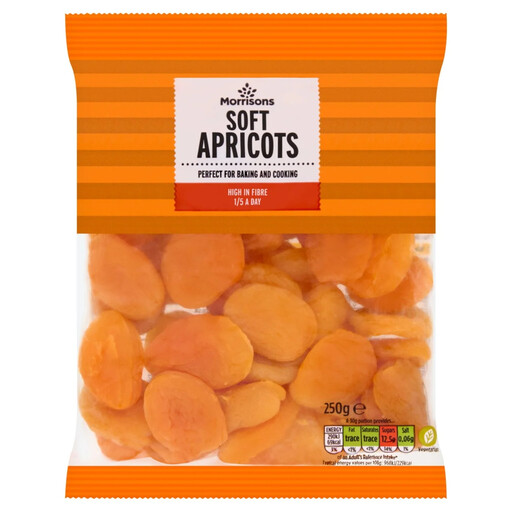
The “soft” description may help you identify the format you want, but it does not mean the apricots are ready to serve to a baby. Check the ingredients, inspect for stones and cut the fruit into small pieces for a baby under one.
 No image available
The stated age is 12 months and over, so this is not an option to serve whole to a baby under one. For toddlers, the NHS advises giving dried fruit such as raisins with meals rather than between them.
Not whole. GOV.UK says babies under one should not be given whole raisins or dried fruit and advises cutting them into small pieces. Consider the child’s ability to manage the prepared texture and supervise them while eating.
The NHS advises giving dried fruit to toddlers with meals rather than as a snack between meals because its sugars can cause tooth decay. Serving it with a meal does not replace checking the size and texture of the pieces.
No. Dried fruit can contain naturally occurring sugars even when sugar has not been added. Read both the ingredients and the sugars figure on the nutrition panel, and follow the NHS advice to serve dried fruit to toddlers with meals.
A lower declared energy figure does not establish suitability. Tesco Groceries lists Crazy Jack Organic Soft Apricots at 47 kcal per 30g, and Whitworths lists the same figure for Favourites Apricots; either product still needs inspection and age-appropriate preparation before being served to a child.