What should you check?
Decide whether you need a protein food or a fruit ingredient, then check readiness, preparation and the particular pack.
| Priority |
What to check |
Your needs |
| Protein role |
Check the food category and its protein value per 100g. NHS lists meat, fish, eggs, beans and pulses as protein foods suitable from around 6 months; the cited dried-fruit labels list 2.2g to 3.3g protein per 100g. |
If protein is the point of this meal, I need a suitable protein food rather than choosing raisins or apricots for their protein content. |
| Readiness |
Follow NHS guidance on the three signs appearing together from around 6 months: sitting with a steady head, coordinating eyes, hands and mouth to pick up food, and swallowing food. |
Before offering solids, I want to know whether my baby shows all three readiness signs, not rely on an age label alone. |
| Preparation |
For a baby under 1, cut raisins and other dried fruits into small pieces, as GOV.UK advises. Check the fruit for stones or pips before serving. |
A small snack pack or a soft-looking fruit would not remove the need to prepare it for my baby. |
| Pack label |
Read the current ingredients and allergen declaration. Sainsbury's Ready To Eat Apricots and M&S Collection Soft Apricots list sulphur dioxide (sulphites); the M&S label also warns that fruit stones may be present. |
I need to check the particular pack's declared ingredients and any stone warning before offering the fruit. |
| Meal timing |
Consider when the fruit will be offered. NHS advises giving toddlers dried fruit with meals rather than as a between-meal snack because its sugar can cause tooth decay. |
For my toddler, I would use dried fruit with a meal instead of offering it repeatedly between meals. |
Joybuy meal options
These chicken- and lamb-containing baby meals are options to compare when you want a meat-containing meal rather than dried fruit. Check each age label and whether the meal's format fits how your baby currently eats; a prepared meal is not necessarily a finger-food option.
 No image available
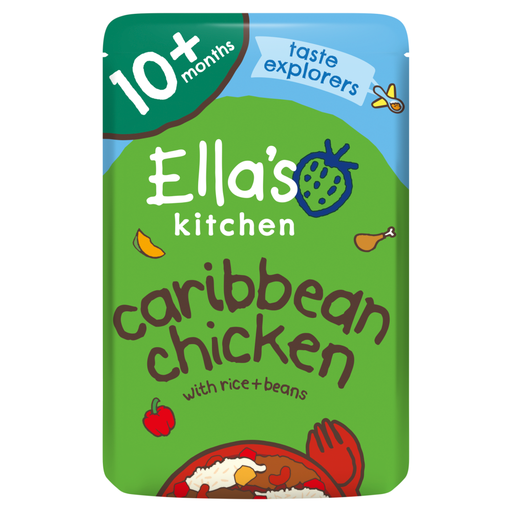
Ella's Kitchen Organic Caribbean Chicken with Mangoes 10+ Months 190g
This chicken-and-mango meal is labelled for 10+ months. Check its ingredients and texture against what your baby currently eats; it is a prepared meal rather than dried fruit.
View on Joybuy
 No image available
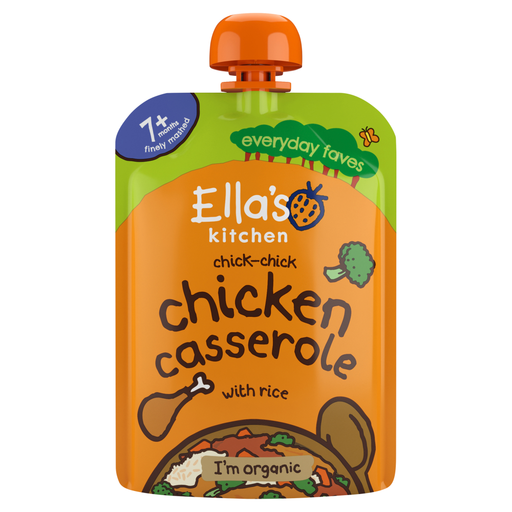
Ella's Kitchen Organic Chicken and Rice Casserole Pouch 7+ Months 130g
This chicken-and-rice pouch is labelled for 7+ months. If you want food your baby can pick up, consider how you would serve a pouch meal and check its ingredients and texture.
View on Joybuy
 No image available
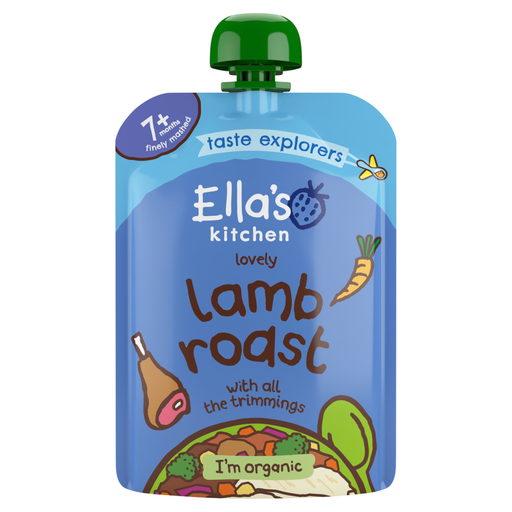
Ella's Kitchen Roast Lamb Dinner 7+ Months 130g
This lamb-containing dinner is labelled for 7+ months. Check the ingredients and serving texture if you are comparing prepared meat meals for your baby.
View on Joybuy
 No image available
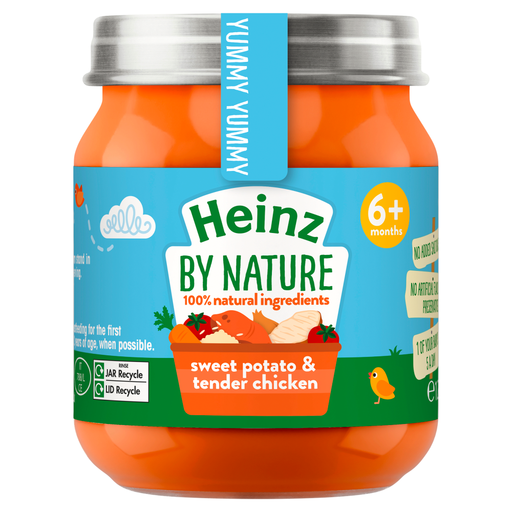
Heinz Sweet Potato & Tender Chicken 6+ Months 120g
This sweet-potato-and-chicken meal carries a 6+ months label. Check your baby's readiness for solids as well as the ingredients, texture and intended way of serving it.
View on Joybuy
 No image available
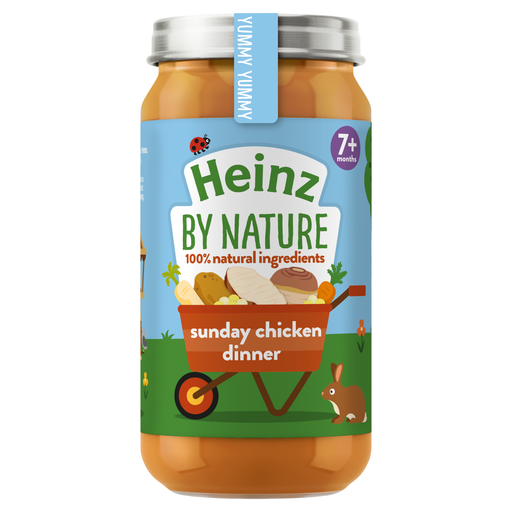
Heinz Sunday Chicken Dinner 7+ Months 200g
This chicken dinner is labelled for 7+ months. Compare its ingredients and texture with your baby's current stage rather than treating the age label alone as a readiness check.
View on Joybuy
Common questions
Is dried fruit a high-protein choice for baby-led weaning?
Do not rely on dried fruit for the protein part of a baby's meal. The cited Whitworths, Sainsbury's and M&S labels list 2.2g to 3.3g protein per 100g, while NHS guidance identifies meat, fish, eggs, beans and pulses as protein foods suitable from around 6 months.
Can a baby under 1 have whole raisins or other dried fruit?
No. GOV.UK choking-hazard guidance says not to give babies under 1 whole raisins or other whole dried fruits; cut them into small pieces before serving.
When can a baby start solid foods?
NHS advises starting when three readiness signs appear together from around 6 months: the baby can stay sitting with a steady head, coordinate eyes, hands and mouth to pick up food, and swallow it.
Should a toddler have dried fruit between meals?
NHS advises offering toddlers dried fruit with meals rather than as a between-meal snack because the sugar it contains can cause tooth decay.
What matters on a dried-fruit pack label?
Check the current ingredients and allergen declaration, as well as any warning about stones. Sainsbury's Ready To Eat Apricots and M&S Collection Soft Apricots list sulphur dioxide (sulphites), and the M&S product warns that fruit stones may be present.


