Households sharing weekday breakfasts
Separate packs make it easier to count out portions for different people. A larger bag can also work when someone can divide it before breakfast.


Choose separate dried-fruit packs when several people need something ready to take with breakfast; choose a larger bag when you can divide it at home. A fruit-and-nut multipack is a different choice from plain dried fruit, so check its ingredients and allergens before sharing. For dried fruit, the NHS uses 30g as a 5 A Day portion and advises eating it at mealtimes.
Separate packs make it easier to count out portions for different people. A larger bag can also work when someone can divide it before breakfast.
An inner pack is easy to carry, but its weight matters: a small snack pack is not necessarily the NHS’s 30g dried-fruit portion. The NHS advises eating dried fruit at mealtimes.
Check the exact pack’s ingredients, allergen information and any choking warning before putting it out for a household or workplace. Fruit-and-nut mixes and plain dried fruit need different checks.
Start with where breakfast will be eaten: that determines whether ready-separated packs are useful or a sharing bag can be divided at home.
Choose when: several people need separate packs ready to take.
Bear in mind: an inner pack may weigh less than the NHS’s 30g dried-fruit portion.
Choose when: the intended eaters want a mixed snack in separate packs.
Bear in mind: nuts and other ingredients make the exact allergen label especially important before sharing.
Choose when: dried fruit will be served into bowls, cereal or yoghurt at home.
Bear in mind: you will need to divide the contents yourself rather than hand out sealed portions.
| Priority | What to check | Your needs |
|---|---|---|
| Portion size | Read the weight of each inner pack, not just the outer-pack weight. The NHS says 30g of dried fruit counts as one 5 A Day portion; a 30g fruit-and-nut mix is not 30g of dried fruit. | I want to know how much dried fruit is in each pack before adding it to breakfast. |
| Ingredients | Check whether the product is plain dried fruit, a fruit-and-nut mix or a coated snack. Compare nutrition information on the same per-100g or per-serving basis where the labels provide it. | Plain fruit matters to me, so I would check for sweetened fruit, oils or coatings rather than rely on the name of the snack category. |
| Sharing | Read the exact pack’s allergen and precautionary statements, plus any choking warning. The Food Standards Agency notes that sulphites are often used in dried fruit. | Before sharing food at home or work, I need to know whether everyone who might eat it can have that particular product. |
| Pack format | Count the inner packs and check their weights, or decide how a larger bag will be divided. Confirm storage instructions on the pack. | Some mornings call for sealed packs to take away; on others, I can serve dried fruit from a bag at home. |
The NHS advises eating dried fruit at mealtimes rather than between meals to reduce the risk of tooth decay.
If the pack is going in a bag, plan to have it with breakfast rather than repeatedly between meals.
For example, Tesco’s listing for Whitworths 1-Ders Fruit & Nut Mix names sweetened dried cranberries, while M&S chocolate raisins contain ingredients beyond raisins.
Read the ingredients list to distinguish plain dried fruit from a mix or coated snack.
Tesco’s Whitworths 1-Ders listing contains peanuts, says it may contain nuts and sesame, and carries a choking warning concerning children and nuts.
Check the current label and warnings against the needs of everyone who may eat it; do not assume that all dried-fruit products have the same ingredients.
Whitworths lists individually portioned dried-fruit products as well as fruit-and-nut mixes.
M&S lists raisin snack boxes among its fruit snacks.
Tesco lists a larger own-brand raisin bag alongside portioned snacks from other brands.
Sunsweet’s European collection includes larger prune formats rather than ready-separated breakfast packs.
These options include separate fruit or fruit-and-nut packs and one single pack of figs. Check the pack count if you need portions for several people.
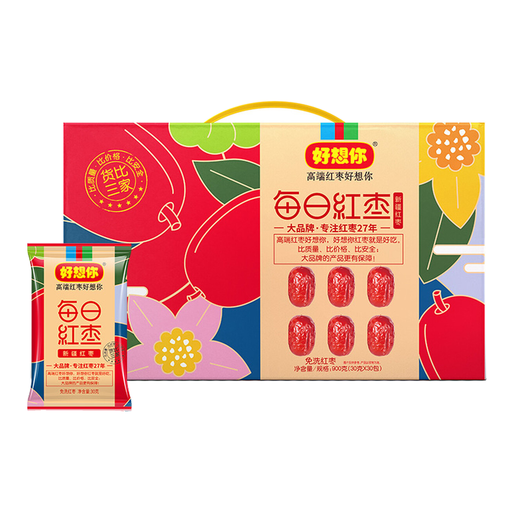 No image available
Thirty separate sachets make it possible to count out packs for several breakfasts. Check the dates for stones before eating or sharing.
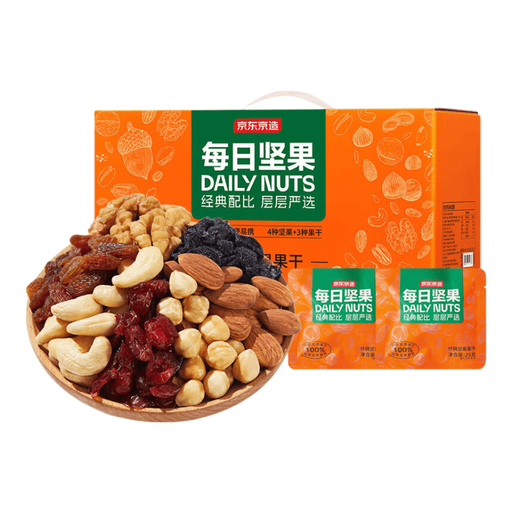 No image available
This fruit-and-nut mix provides separate sachets for breakfast bags. Check the exact nut-allergen information and dried-fruit ingredients before sharing; the weight of a mixed sachet is not its dried-fruit weight.
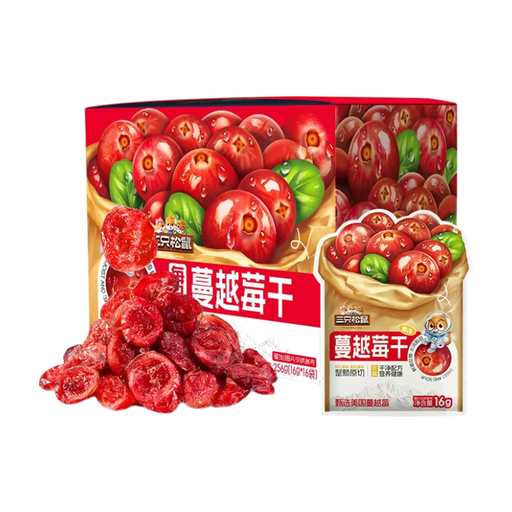 No image available
Sixteen small packs can be allocated across breakfast bags. Each 16g pack is below the NHS’s 30g dried-fruit portion; read the ingredients if you want to distinguish sweetened cranberries from plain dried fruit.
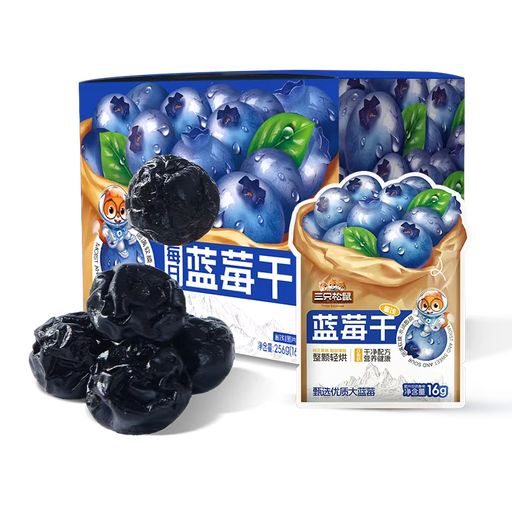 No image available
The 16 individual packs suit a plan to hand out small breakfast additions. Each weighs 16g, so do not mistake one pack for the NHS’s 30g dried-fruit portion; check the ingredients before choosing it in place of plain fruit.
 No image available
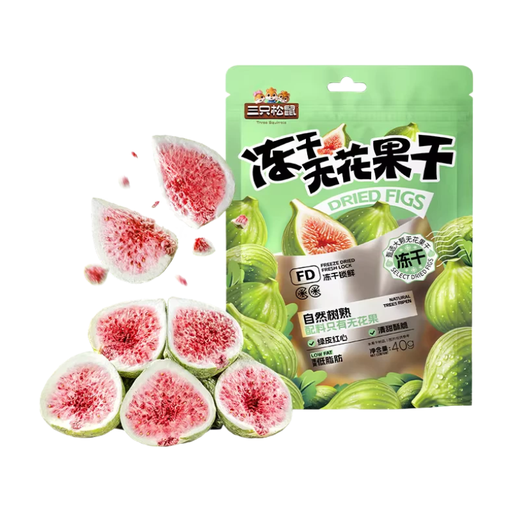
This is one freeze-dried fruit pack for an individual breakfast, not a multipack to divide among several people. Its freeze-dried format differs from conventional chewy dried fruit.
Yes. The NHS says 30g of dried fruit counts as one 5 A Day portion and advises eating dried fruit at mealtimes rather than between meals to reduce the risk of tooth decay.
No. Check the inner-pack weight and contents: Whitworths lists Sunny Fruit Mix-Ups at 18g per pack, while a 30g fruit-and-nut pack contains ingredients other than dried fruit. The NHS’s 30g reference is for dried fruit.
Read the exact product’s ingredients, allergen information and safety warnings. Tesco’s Whitworths 1-Ders Fruit & Nut Mix listing contains peanuts, says it may contain nuts and sesame, and includes a choking warning concerning children and nuts.
Yes, if sulphur dioxide or sulphites matter to someone who may eat it. The Food Standards Agency notes that they are often used in dried fruit, including raisins, dried apricots and prunes; check the exact product label.
Follow the instructions on that pack, including any directions that apply after opening. Storage directions can differ between a sealed inner sachet and an opened sharing bag.