Households using dried fruit across meals
A larger bag may suit households that use raisins, sultanas, dates or mixed fruit at breakfast, in cooking or with other meals, and can divide the contents into planned portions.


Choose a bulk bag if your household will use it in planned portions or with meals; choose portioned packs if carrying and dividing it up matters more. For a standalone afternoon snack, there is an important limit to either choice: the NHS advises eating dried fruit at mealtimes rather than between meals to reduce the risk of tooth decay. Check the ingredients and allergen information on the exact pack, as fruit mixes differ.
A larger bag may suit households that use raisins, sultanas, dates or mixed fruit at breakfast, in cooking or with other meals, and can divide the contents into planned portions.
Individual packs make it easier to set aside a portion for a packed meal or to carry one without opening a larger bag. Check the weight of each pack rather than assuming all multipacks contain the same amount.
Plain dried fruit, sweetened fruit mixes and products containing other ingredients need different label checks. Read the current ingredient and allergen statements for the exact product you intend to buy.
Start with when you plan to eat the fruit, then compare pack size and format before checking the exact ingredients.
| Priority | What to check | Your needs |
|---|---|---|
| Portions and timing | The NHS says 30 g of dried fruit counts as one 5 A Day portion. It advises eating dried fruit at mealtimes, not between meals, to reduce tooth-decay risk. | Am I buying fruit to have with a meal, or will an open bag encourage me to graze through the afternoon? |
| Pack format | Compare total weight, the number of individual packs and the weight per pack. For a value comparison, check the displayed price per kilogram for the products you would use. | I could divide a larger bag at home, or carry a pre-portioned pack when I need one. |
| Ingredients | Read the full ingredient list rather than relying on the fruit named on the front. M&S lists sweetened cranberries, candied peel and sweetened pineapple in one of its mixed-fruit products. | If I want plain dried fruit, does this particular mix contain other ingredients I would rather avoid? |
| Allergen information | Check the exact pack for declared allergens and suitability warnings. Whitworths lists sulphur dioxide in its Sunny Fruit Mix-Ups Apricots & Mango. | I need the allergen information for the pack I am buying, not just for another product from the same brand. |
The NHS advises having dried fruit at mealtimes rather than between meals to reduce the risk of tooth decay. Individual packaging does not change that advice.
If you buy a large bag, set aside what you plan to use with meals or in cooking instead of eating repeatedly from the open pack.
Ingredient lists vary. M&S lists sweetened fruit and candied peel in one mixed-fruit product, while its plain mixed dried fruit lists sultanas, raisins, currants and sunflower oil.
Compare the full ingredients of the exact packs if you have a preference about sweetened fruit or other additions.
Whitworths lists sulphur dioxide in its Sunny Fruit Mix-Ups Apricots & Mango; ingredients and warnings differ across products.
Check the current pack label, including allergen and ‘may contain’ statements, before choosing.
A larger total weight does not tell you how much your household will use or whether you need individual portions.
Compare the displayed price per kilogram alongside portion size, ingredients and your plans for using the pack.
Tesco lists large own-label dried-fruit bags as well as a smaller raisin multipack.
Whitworths lists loose dried fruit and several individually packed fruit formats.
M&S lists both larger dried-fruit bags and smaller snack-box formats.
These options include individual portions and larger packs of dates, raisins, prunes and cranberries. Compare their pack formats with how you plan to use dried fruit at meals.
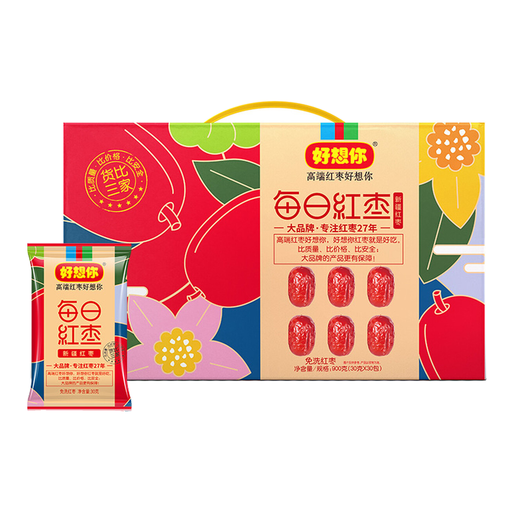 No image available
The 30 sachets provide pre-counted portions for planned use with meals. Check each date for a pit before eating.
 No image available
The twelve 14 g packs offer smaller pre-counted portions for packed meals. Each pack is below the NHS 30 g dried-fruit 5 A Day portion reference.
 No image available
This 500 g prune pack is an option if you plan to divide a larger quantity for use with meals. Check the ingredient list if you want plain fruit.
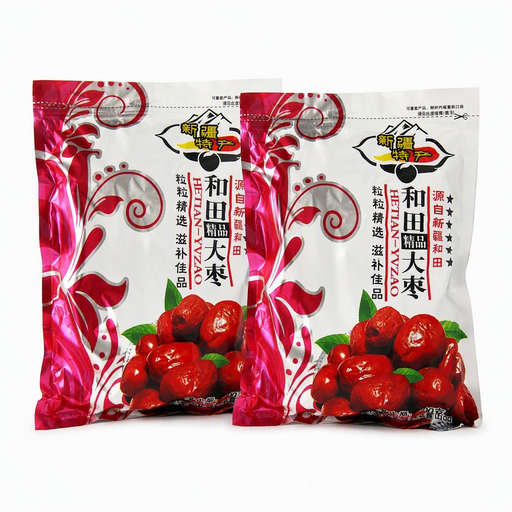 No image available
Two 500 g bags suit a household planning to divide dates for meals or cooking. Check whether the dates have pits before use.
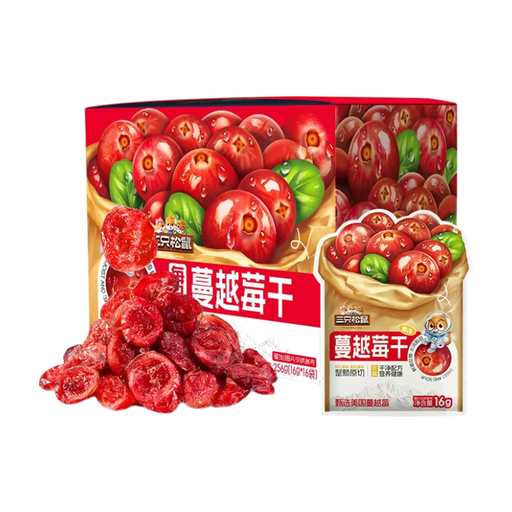 No image available
The sixteen 16 g packs offer a pre-counted format to carry with a planned meal. Read the ingredient list if you are comparing plain and sweetened dried fruit.
The NHS says 30 g of dried fruit counts as one portion of 5 A Day. It also advises eating dried fruit at mealtimes rather than between meals to reduce the risk of tooth decay.
A bulk bag suits planned use better than repeated grazing from an open pack. For tooth-decay risk, the NHS advises having dried fruit at mealtimes rather than as a between-meal snack; dividing a bag into portions does not change that timing advice.
Check total weight and the displayed price per kilogram, then consider how much you will use and whether individual packs make portion planning easier. Compare the ingredients too: similar pack weights need not contain the same fruit mix.
Read the current ingredient and allergen statements on the exact pack. M&S lists sweetened ingredients in one mixed-fruit product, while Whitworths lists sulphur dioxide in its Sunny Fruit Mix-Ups Apricots & Mango; neither description applies to every product from those brands.
Follow its own storage instructions. For example, M&S says to keep its mixed dried fruit in a cool, dry place and use the pack’s reseal feature after opening; instructions for another product may differ.