
24/7 Customer Support

Free returns

Same-day & Next-day Delivery

Quality Guaranteed

Unlock Your Welcome Offers: FREE Delivery | Up to 80% OFF | Free 30-day JoyPlus trial
Download the APP
Dried fruit can be a practical cupboard staple for packed lunches, porridge, baking and Asian-inspired recipes. However, the difference between a simple fruit snack and a heavily sweetened confection can be easy to miss when shopping online.
The front of a packet may highlight words such as “natural”, “premium” or “real fruit”, while the ingredients list tells a more detailed story. Before buying dried fruit, check the fruit content, added ingredients, texture, pack size and intended use. These details help UK shoppers avoid paying more for a product that does not suit their routine.
Some dried fruit snacks are made from fruit alone, while others include sugar, glucose syrup, maltose syrup, oil, acidity regulators, colourings or preservatives. For example, freeze-dried figs may list figs as the sole ingredient, whereas dried mango and dried strawberries can contain added sugar or syrup.
“Natural” does not necessarily mean unsweetened. Always read the full ingredients list and look for terms such as sugar, dextrose, maltose syrup, glucose and juice concentrate.
A 20g pouch of dragon fruit may suit occasional snacking, but it will offer less value for regular cooking than a 500g bag of raisins or prunes. Small packs can be useful for portion control and lunch boxes; larger packs are more practical for baking, breakfast recipes and family use.
Compare the price per 100g, not only the headline price. Also check whether the product is soft, partially rehydrated or freeze-dried, as different textures provide different amounts of usable food.
Sulphites are commonly used in some dried apricots, apples and strawberries. Certain products also contain sweeteners or colourings, with specific warnings required on the packaging. A product may have no listed allergens while still containing ingredients that some shoppers prefer to avoid.
For UK purchases, check the current packaging for allergen declarations, preservative details and warnings. Recipes and formulations can change, so the label supplied with your order should take priority over an older product description.
For simple, unsweetened options, look for a short ingredient list. Three Squirrels Freeze-Dried Figs 40g lists figs at 100%, while Longan Pulp 100g and the Goji Berries 100g product also specify 100% fruit.
Products with a lower fruit percentage may still be suitable, particularly when you want a softer, sweeter snack. Be&Cheery Dried Strawberry 100g contains at least 65% strawberry, with sugar, maltose syrup, acidity regulators, sulphites, colour and flavourings also listed.
Choose texture according to use:
Texture also affects storage. Reseal opened packs tightly and keep them in a cool, dry place away from direct sunlight. Some soft products require refrigeration after opening, so check the pack instructions.
Dried fruit is lighter than fresh fruit because much of the water has been removed. This concentrates the carbohydrate and naturally occurring sugar, so a sensible portion is important. Use the per 30g serving information where available rather than judging quantity by eye.
For instance, Whitworths Figs provides 65 kcal per 30g portion, while Morrisons Raisins lists 92 kcal per 30g portion. Products containing added sugar may have a sweeter profile, but this does not automatically make them more suitable for everyday eating. Those looking for healthy dried fruit should compare sugars, fibre, additives and portion size together.
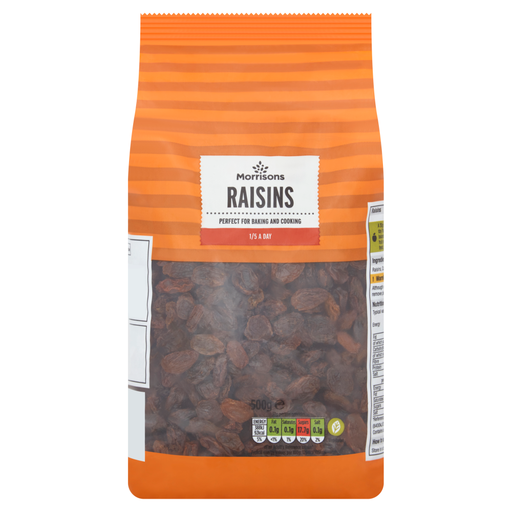
Why This Fits Their Persona: A 500g pack is practical for shoppers building a basic cupboard supply for porridge, baking, salads and everyday snacking.
The ingredient list contains raisins and cottonseed oil, with no added sugar listed. The per-100g and per-30g values make portion comparison straightforward.
500g net quantity; suitable for vegetarians; listed fibre content of 5.2g per 100g.
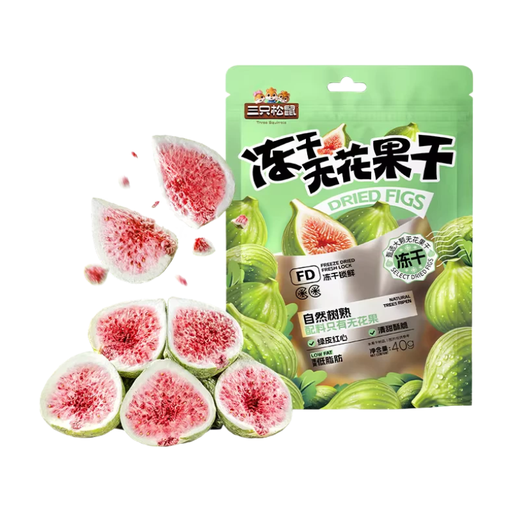
Why This Fits Their Persona: The compact pouch suits commuters, desk drawers and shoppers who prefer a crisp fruit snack with a short ingredient list.
It specifies 100% figs, with no added sugar or preservatives listed. The 40g size also reduces the risk of leaving a large opened bag exposed to moisture.
100% fig ingredient; crispy freeze-dried texture; no listed allergens.
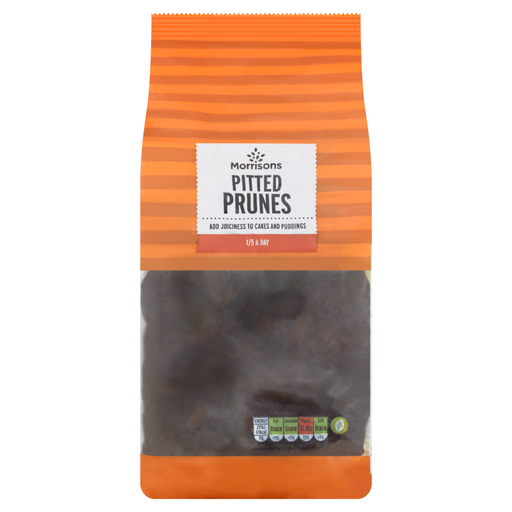
Why This Fits Their Persona: A large pack of soft pitted prunes works for frequent breakfast preparation, baking and savoury cooking.
The product is clearly identified as pitted and lists potassium sorbate rather than added sugar. The packaging still advises chewing carefully because residual stone fragments may occasionally remain.
500g quantity; ready to eat; suitable for porridge, yoghurt, cakes and stews.
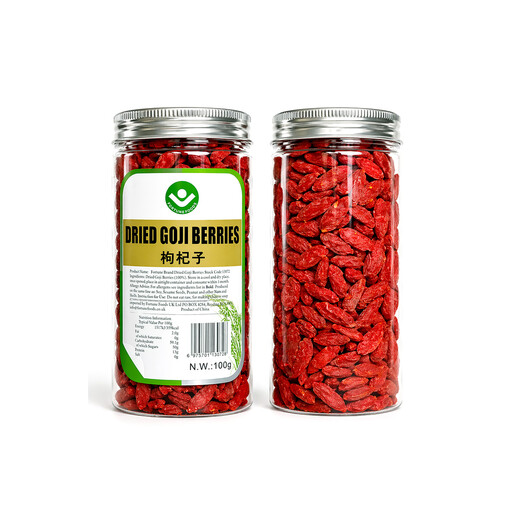
Why This Fits Their Persona: This compact Asian dried fruit ingredient can be added to tea, congee, soups, porridge and desserts.
The product specifies dried goji berries at 100%, with no additives or preservatives listed. It is intended for cooking, so rinse and soak or cook according to the instructions.
100g pack; 100% goji berries; suitable for teas, soups, porridge and desserts.
We have compiled a complete, real-time list of products that fully satisfy these strict selection criteria and UK safety regulations.
For dried fruit snacks, eat a measured portion rather than consuming directly from a large bag. Chop dried figs, dried apricots or raisins into porridge, granola and baking mixtures. Longan pulp, goji berries and red dates can be rinsed and soaked before adding to tea, soups or desserts.
Keep unopened products in a cool, dry cupboard. Once opened, use an airtight container or reseal the original pouch. Moist products may need refrigeration, while freeze-dried fruit should be protected from humidity to preserve its crisp texture. Keep small, firm pieces away from young children and follow any age-related choking warnings on the pack.
It can form part of a varied diet, but dried fruit is concentrated, so portion size matters. Compare the sugar, fibre and ingredient list, especially when choosing between unsweetened fruit and sweetened snacks.
Pitted prunes have had the stones removed before packing, making them more convenient for snacking and cooking. However, manufacturers may still advise checking and chewing carefully because occasional fragments can remain.
Raisins, dried figs, dried apricots, dried apples and prunes are versatile choices for cakes, scones, granola and breads. For a softer result, partially rehydrated fruit or fruit soaked briefly in warm water may be easier to mix into a recipe.