Picnic packers watching portion calories
If you are choosing dried fruit for a picnic lunch, the useful calorie figure is the one for the amount you put in the bag. A labelled serving or an individual pack makes that amount easier to identify.


For a picnic lunch, compare the calories in the amount of dried fruit you will actually pack: a measured serving from a larger bag and a small individual pack offer different ways to control the portion. Tesco Groceries lists 63kcal per 30g of its Soft Apricots, while BEAR Dried Mango lists 80kcal per 25g pack, so those figures are not for equal amounts. Check sugars, ingredients and sulphites on the chosen pack; the NHS advises eating dried fruit at mealtimes rather than grazing on it between meals.
If you are choosing dried fruit for a picnic lunch, the useful calorie figure is the one for the amount you put in the bag. A labelled serving or an individual pack makes that amount easier to identify.
Small packs can give each person a defined portion; fruit from a larger bag needs dividing before you leave. Check ingredients and allergen declarations for everyone eating it. The NHS advises having dried fruit at mealtimes for dental reasons.
Check the ingredient and allergen panel of the exact product. Tesco and Sainsbury’s conventional apricot examples list sulphur dioxide or sulphites, while Sainsbury’s SO Organic Dried Apricots list dried apricots as the ingredient. The Food Standards Agency notes that sulphites used in dried fruit can pose a risk to people with a sensitivity.
Choose the amount you plan to serve, then read its calorie figure alongside the sugars, ingredients and pack format.
| Priority | What to check | Your needs |
|---|---|---|
| Portion calories | Find kcal for the amount you will pack. Check serving weights before comparing individual packs with portions from larger bags; a per-100g figure describes a different amount. | I want to know the calories in my actual picnic portion, not just in a suggested serving that I might exceed. |
| Sugars and ingredients | Read sugars and kcal for the same portion, then check the ingredients for sweetened fruit or other additions. A no-added-sugar statement does not give the total sugars figure. | I’d like to distinguish fruit without added sugar from a sweetened mix, while still checking the nutrition label. |
| Packing format | Check the weight of each small pack or measure servings from a larger bag before leaving. Keep the pack or a suitable closed container intact until lunch. | For a shared picnic, I may prefer separate portions; for several servings from one bag, I can divide them in advance. |
| Sulphites and mealtime use | Read the current ingredient and allergen panel if sulphites matter. The Food Standards Agency notes their use in dried fruit; the NHS advises eating dried fruit at mealtimes rather than between meals to reduce tooth-decay risk. | If someone eating the fruit has a sulphite sensitivity, I need to check their exact pack. I can serve the fruit with picnic lunch rather than leave it out for grazing. |
Portion weights and labelled calorie figures differ. Tesco Groceries lists 63kcal for 30g of Soft Apricots; BEAR Dried Mango lists 80kcal for a 25g pack. Those are portions of different sizes.
Decide how much fruit you will pack, then compare the kcal for that amount rather than comparing unlike serving figures.
BEAR’s dried mango is described as having no added sugar, yet its Tesco Groceries listing gives 14g sugars and 80kcal per 25g portion. Marks & Spencer’s mixed-fruit example also includes sweetened fruit and candied peel.
Check the ingredients for additions and read both sugars and kcal for the portion you intend to eat.
Conventional apricot examples from Tesco and Sainsbury’s list sulphites, while Sainsbury’s SO Organic Dried Apricots list dried apricots as the ingredient. The Food Standards Agency identifies sulphites in dried fruit as a possible risk for people with a sensitivity.
If sulphites must be avoided, check the current ingredient and allergen panel on the exact pack rather than relying on its name or appearance.
The NHS advises eating dried fruit at mealtimes, not as a between-meal snack, to reduce tooth-decay risk.
Pack a measured amount to serve with picnic lunch instead of keeping an open bag available throughout the outing.
These product examples illustrate differences in serving labels, ingredients and pack formats; check the label of the item you buy.
Tesco Soft Apricots come in a 250g bag, with nutrition listed for a 30g serving.
Sainsbury’s lists ready-to-eat apricots and a separate SO Organic dried-apricot product.
Whitworths Sunny Raisins are offered in 14g packs positioned for lunchboxes and mealtimes.
Marks & Spencer lists both soft apricots and a mixed-fruit product, with different ingredients and per-100g nutrition.
BEAR Dried Mango is listed by Tesco Groceries as four individual 25g portions.
These options include small dried-fruit packs, a 40g fig pack and individually wrapped prunes in a larger pack. For each, check the labelled calories and ingredients for the amount you intend to take to lunch.
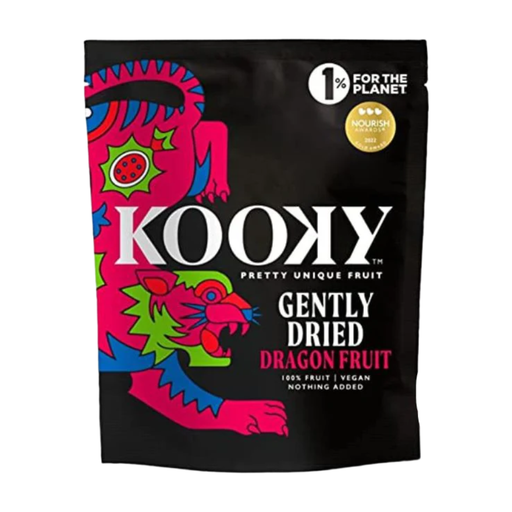 No image available
The 20g pack gives you a defined amount to take to a picnic lunch. Read its calorie label for that portion, and check the current pack’s sulphite declaration if relevant.
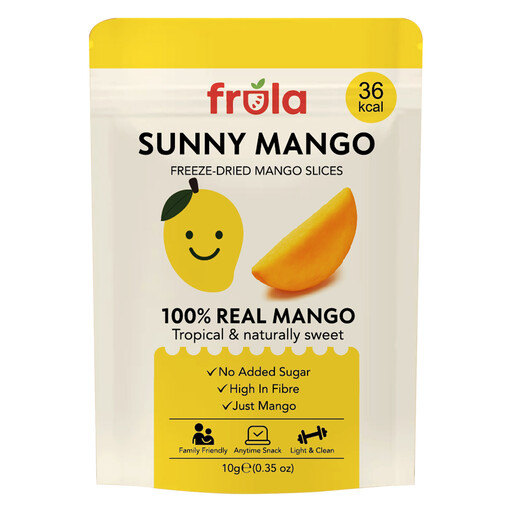 No image available
This 10g mango pack is a small, defined picnic portion. Compare calories for the whole pack with the amount you would take from a larger bag, rather than treating a smaller serving as a lower-calorie fruit.
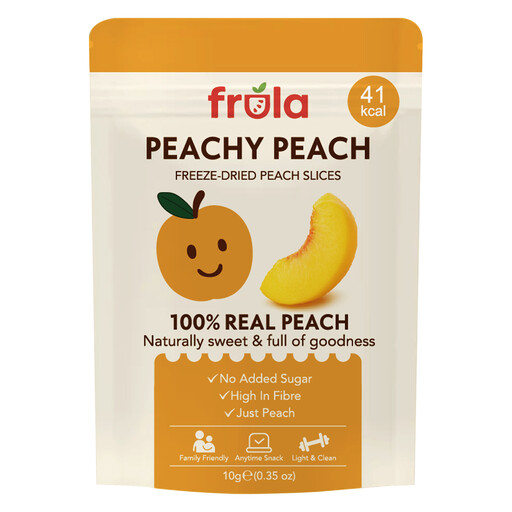 No image available
The 10g peach pack offers a defined amount for one picnic lunch. If you expect to eat more than one pack, use the total amount when comparing its labelled calories with other choices.
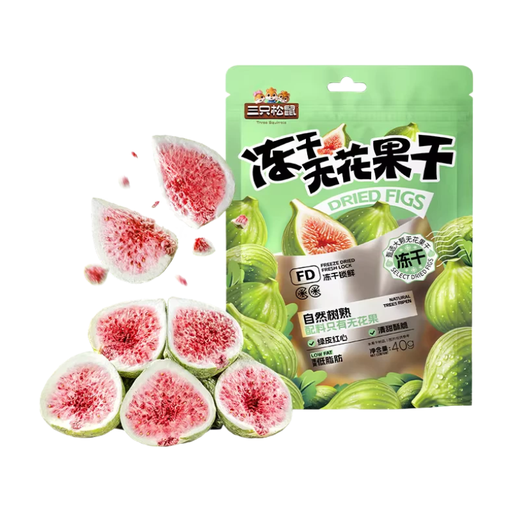 No image available
At 40g, this fig pack contains a larger portion than the 10g fruit packs shown here. Check calories for the amount you will eat before packing the whole bag for lunch.
 No image available
Individually wrapped prunes let you choose how many to take from the 500g pack. The product information identifies added low-polymer isomaltose, so do not treat it as fruit alone; check the current ingredients and sulphite declaration if either matters to you.
Compare kcal for the amount you will actually pack, checking the weight behind each serving figure. Tesco Groceries lists 63kcal per 30g of Soft Apricots, while BEAR Dried Mango lists 80kcal per 25g pack; the portions differ in size. Read sugars and ingredients alongside the calorie figure.
No: a no-added-sugar statement does not tell you the product’s total sugars or calories. Tesco Groceries lists BEAR Dried Mango as having no added sugar, with 14g sugars and 80kcal per 25g pack. Check the nutrition panel for your chosen portion.
The NHS says 30g of dried fruit counts as one portion of 5 A Day. That serving guide is not a calorie figure for every dried fruit, so check the chosen product’s label when planning a picnic portion.
The NHS advises eating dried fruit at mealtimes rather than between meals to reduce tooth-decay risk. For a picnic, serve the amount you packed with lunch instead of leaving an open bag out for repeated grazing.
It varies by product. Tesco Soft Apricots and Sainsbury’s Ready To Eat Apricots list sulphites, while Sainsbury’s SO Organic Dried Apricots list dried apricots as the ingredient. The Food Standards Agency notes that sulphites are often used in dried fruit and can pose a risk to people with a sensitivity, so check the current ingredient and allergen panel on the exact pack.