Students packing lunch for a lecture day
A small pack is easy to put in a lunch bag. Check the energy figure for the whole pack if you intend to eat it all with lunch.


Choose the amount you plan to eat before comparing calorie figures: a mini pack can be a small addition to lunch, while the NHS uses 30g as its reference for one dried-fruit portion of 5 A Day. Tesco lists 40kcal for a 14g raisin box and 42kcal for a 30g portion of Crazy Jack prunes, but those figures describe different amounts of food. Pack weight, ingredients and whether you will eat the fruit with lunch matter as much as the calorie number on the front.
A small pack is easy to put in a lunch bag. Check the energy figure for the whole pack if you intend to eat it all with lunch.
An individual pack or a weighed serving makes it easier to compare what you will actually eat. A 14g box and a 30g packet are different-sized portions, even if their calorie figures look similar.
If dried fruit is going to campus, include it with lunch rather than leaving an open bag for repeated nibbling. The NHS advises eating dried fruit at mealtimes to reduce the risk of tooth decay.
Start with the serving you want alongside lunch, then compare labels for that amount rather than choosing by a per-pack figure alone.
| Priority | What to check | Your needs |
|---|---|---|
| Calories per serving | Check the pack weight and energy per pack or per serving. If only a per-100g figure is given, calculate it for the amount you intend to eat. | I want the calorie figure to describe my actual lunch portion, whether that is one small box or part of a larger bag. |
| Portion size | Compare the stated weight with the NHS 30g dried-fruit reference for one portion of 5 A Day. Do not treat a smaller mini pack as the same amount. | A little fruit alongside an existing lunch may be enough for me; if I want a 30g dried-fruit portion, I will check the weight rather than the packet size. |
| Ingredients and sugars | Read the ingredients as well as sugars per serving. UK government oral-health guidance distinguishes sugars in fruit purées, concentrates and extruded fruit products from those in plain fruit. | If I am choosing between dried fruit and a fruit snack, I want to know whether the pack contains whole fruit, purée, concentrate or other ingredients. “No added sugar” does not mean sugar-free. |
| Eating with lunch | Plan an amount to eat with the meal and put the rest away. The NHS advises keeping dried fruit to mealtimes to reduce the risk of tooth decay. | I can carry a portion for lunch without grazing from an open bag between lectures. |
Tesco lists 40kcal for a 14g raisin box and 42kcal for a 30g portion of Crazy Jack prunes. Similar calorie figures do not make these equal-sized servings.
Compare the amounts you expect to eat. Use a 30g basis if the NHS dried-fruit portion reference matters to your choice.
A 500g or 1kg bag contains many potential lunch portions; its total pack weight does not tell you how much to take on one day.
Measure the intended serving into a container, or choose a pack with a stated individual weight.
A fruit snack can contain purées, concentrates or juices without sugar being added separately. UK government oral-health guidance includes sugars naturally present in those processed fruit formats within free sugars.
Read the ingredients and the sugars figure for the serving. If you want dried whole fruit, check that the named fruit is the basis of the product rather than assuming the front-of-pack wording tells the whole story.
The NHS advises eating dried fruit at mealtimes rather than between meals to reduce the risk of tooth decay.
Pack the amount intended for lunch and eat it with the meal; put any remaining fruit away afterwards.
These UK product examples show why pack weight and label values need to be read together; they are not a guide to what Joybuy stocks.
Tesco Seedless Raisins 12 Pack provides a small, individually boxed raisin option.
Sunny Raisins are an example of a pre-packed 30g raisin serving.
Stoned Prunes offer a prune option in a larger bag rather than a stated individual lunch pack.
Its dried-fruit range illustrates the difference between bulk raisins and smaller fruit packs.
Its fruit-snack range includes several types of dried fruit, with nutrition varying by product.
These options include 10g freeze-dried fruit packs, 14g raisin boxes, 30g date sachets and a larger prune bag. Compare their stated weights with the amount you want to eat at lunch; the smaller packs are not equivalent to a 30g serving.
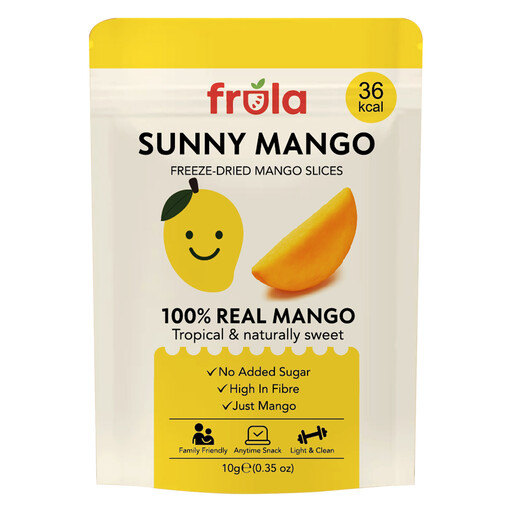 No image available
The 10g pack is a small addition to lunch rather than the NHS 30g reference amount for one dried-fruit portion. Check its nutrition panel for the energy in the pack.
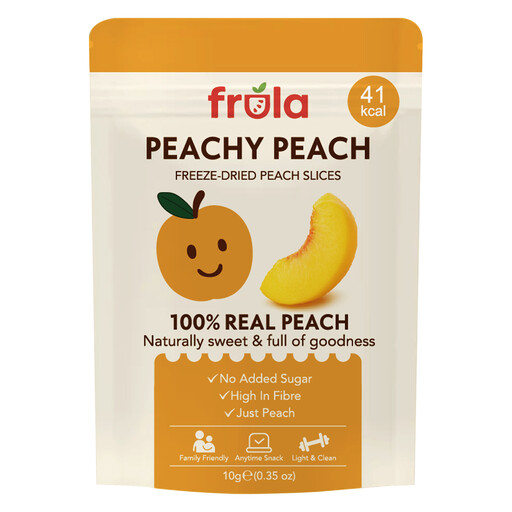 No image available
This 10g freeze-dried peach pack suits a planned small lunch addition. It is smaller than the NHS 30g dried-fruit portion reference, so compare calories using the amount you actually intend to eat.
 No image available
The individual 14g boxes offer a measured raisin addition to lunch. Each box is smaller than the NHS 30g dried-fruit portion reference; check this product’s own label for calories rather than using figures from another brand’s 14g box.
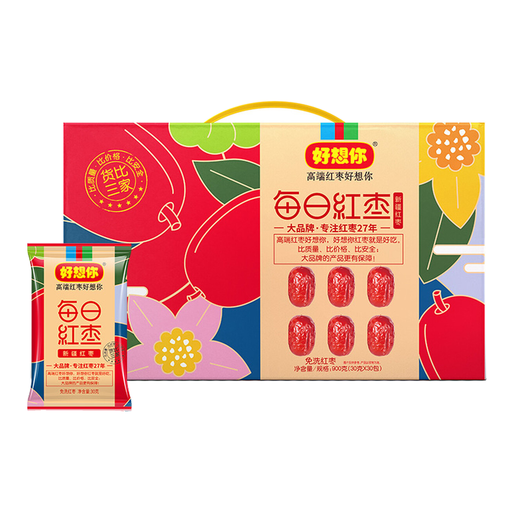 No image available
Each stated 30g sachet matches the weight the NHS uses for one dried-fruit portion of 5 A Day. For a calorie comparison, use the nutrition panel for a sachet or calculate 30g from a per-100g value. Check the pack for pits before eating.
 No image available
The 500g bag contains individually wrapped prunes, but an individual wrapper is not a stated 30g serving. Weigh the amount you plan to take for lunch when comparing calories. Check the ingredient list if you are looking for plain fruit: the product information identifies isomaltose in addition to plums.
The NHS says 30g of dried fruit counts as one portion of 5 A Day. A 14g mini raisin box is smaller than that reference, so check the weight if a full dried-fruit portion matters to your lunch choice.
Not as equal portions. Tesco Groceries lists 40kcal for its 14g Seedless Raisins box and 42kcal for a 30g serving of Crazy Jack prunes; choose which amount you intend to eat before comparing the figures.
The NHS advises eating dried fruit at mealtimes, not as a between-meal snack, to reduce the risk of tooth decay. Pack your intended portion with lunch instead of grazing from a bag throughout the day.
No. Check both the sugars figure and the ingredients. UK government oral-health guidance includes sugars naturally present in fruit purées, concentrates and extruded fruit products within free sugars, so the product format matters as well as the claim on the pack.
Read the ingredients and allergen information on the specific pack before eating it. GOV.UK says that, for prepacked food in the UK, any of the 14 regulated allergens present as ingredients must be clearly labelled in the ingredients list; ask the food business if you need clarification about a product.