Campers comparing fat values
If you want dried fruit that needs no cooking, compare fat per 100g and read the ingredients. Nut-and-fruit mixes need a separate check; they are not the same as plain dried fruit.


For a low-fat camping-food option, compare plain dried fruit by its fat value per 100g rather than assuming every fruit mix is similar. Check total sugars, allergens and instructions for storing the pack after opening too: NHS guidance counts 30g of dried fruit as one 5 A Day portion and advises eating it at mealtimes.
If you want dried fruit that needs no cooking, compare fat per 100g and read the ingredients. Nut-and-fruit mixes need a separate check; they are not the same as plain dried fruit.
A low fat value does not tell you how much sugar a portion contains or whether sugar has been added. Check both the nutrition panel and ingredients. NHS guidance treats 30g of dried fruit as one 5 A Day portion and advises having it at mealtimes.
Check the particular pack, even when the product looks like plain fruit. The M&S dried pineapple and ASDA Three Raisin Mix examples carry sulphites and additional nut-related warnings.
Start with the nutrition panel, then check whether the ingredients, allergens and after-opening directions work for your trip.
| Priority | What to check | Your needs |
|---|---|---|
| Fat | Compare fat per 100g on like-for-like products. Read the ingredients to distinguish plain fruit from nut-and-fruit mixes. | I want to keep the fat value low without assuming that every pack labelled dried fruit has the same ingredients. |
| Sugars | Read total sugars per serving as well as any no-added-sugar statement. Check for sugar, syrup or sweetened fruit in the ingredients. | A low-fat option may still contain substantial sugars. If I want fruit without added sugar, I need to check more than the fat figure. |
| Storage | Check directions for both unopened and opened packs. Match the pack size and any refrigeration instruction to the length of the trip. | Without dependable chilling, I need to know whether I can follow the opened pack’s storage directions. The Food Standards Agency suggests considering predominantly dry foods when adequate food storage is not possible. |
| Allergens | Read the ingredients and product-specific allergen warnings, including sulphites and possible nut or peanut contact. | Someone in my group may need to avoid an ingredient or cross-contact warning, so I will check the exact variant before packing it. |
Added nuts change the comparison: the Joybuy BE&CHEERY mixed nuts and dried fruits product lists 58.9g fat per 100g.
For a low-fat preference, compare fat per 100g and check whether fruit or nuts make up the mix.
ASDA Seedless Raisins list 21g sugars per 30g, while Sainsbury’s Mixed Dried Fruit lists 22.2g per 30g and includes candied peel made with syrup and sugar.
Compare total sugars for the portion you plan to pack, and inspect the ingredients if avoiding added sugar matters to you.
Storage instructions differ: Tesco’s Sunsweet prune listing says to refrigerate after opening, while M&S says to eat its dried pineapple within three days of opening.
Choose a pack size you can manage during the trip and follow its own storage directions.
NHS guidance advises eating dried fruit at mealtimes to reduce tooth-decay risk.
Consider packing a 30g portion with a meal; the NHS counts that amount as one 5 A Day portion.
These examples show why the exact product label matters more than the brand name alone.
Tesco’s Sunsweet Stoned Prunes listing offers a no-added-sugar prune example.
Its Fantastic Flame Raisins provide a raisin example for comparing nutrition and storage directions.
Its own-label raisins show how ingredients and warnings can differ between similar-looking packs.
Its Mixed Dried Fruit is an example to inspect when variety matters.
Its Dried Pineapple is described by M&S as 100% fruit with no added sugars.
Tesco’s dried-fruit range includes several fruit types, but each product needs its own label check.
These options include raisins, prunes and freeze-dried peach in different pack sizes. Compare each pack’s nutrition, ingredients and storage directions for your camping plans.
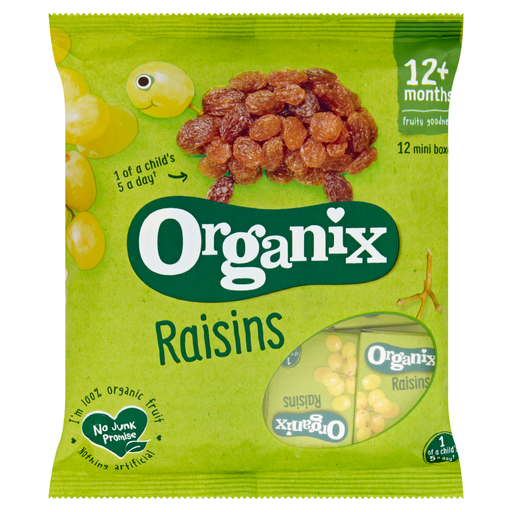 No image available
The twelve 14g portions may be convenient when you want to pack individual servings. Check the pack’s nutrition and allergen information for your group.
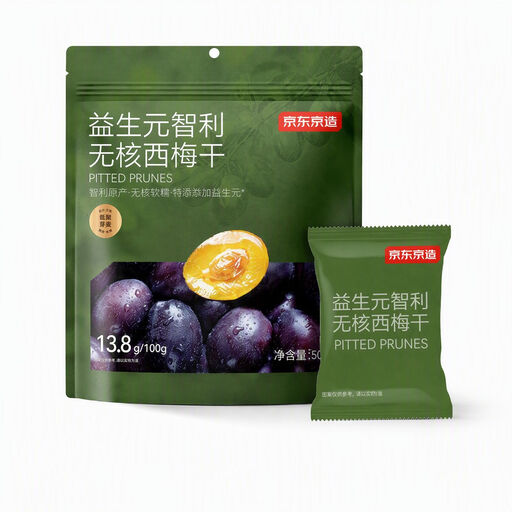 No image available
Individual wrapping may make it easier to take some of this 500g pack on a trip. Check the ingredients if you want fruit only, and follow the storage directions on the pack.
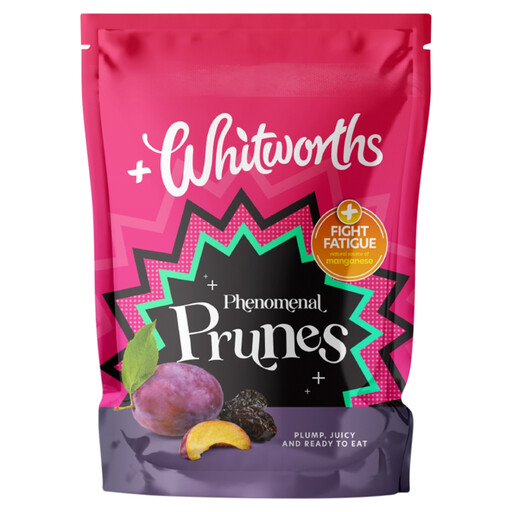 No image available
The 190g pouch is an alternative to a larger prune pack. Check how it should be stored after opening; if allergies are relevant, read the allergen statement on the actual pack.
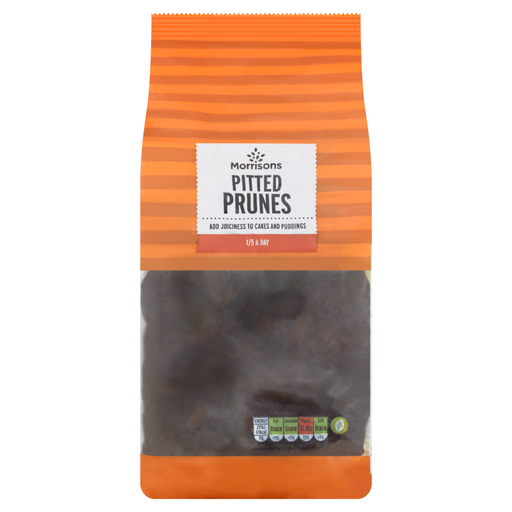 No image available
Consider whether a 500g bag suits the length of your trip and how you will store it once opened. Despite the pitted description, the product information warns that small stone fragments may occasionally remain.
 No image available
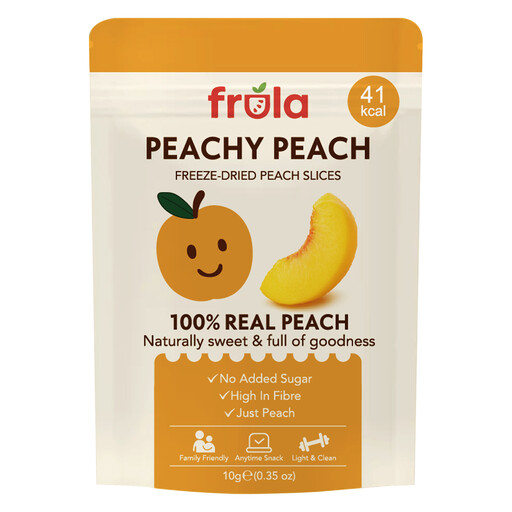
The 10g peach pack is worth considering when pack size matters, though it may not cover more than one small serving. Check its nutrition panel and after-opening directions before the trip.
No. ASDA Three Raisin Mix lists less than 0.5g fat per 100g but 23g sugars per approximately 33g serving. Compare fat and total sugars using the measures shown on each pack, and check ingredients for added sugar or syrup.
The NHS says 30g of dried fruit counts as one 5 A Day portion. It advises eating dried fruit at mealtimes rather than between meals to reduce tooth-decay risk.
Check the directions for the particular product, especially after opening. The Food Standards Agency suggests considering predominantly dry foods when adequate storage is not possible, but Tesco’s Sunsweet prune listing says to refrigerate after opening, while M&S says to eat its dried pineapple within three days of opening.
Yes. M&S Dried Pineapple lists sulphites and carries nut, peanut and sesame allergy warnings; ASDA Three Raisin Mix contains sulphites and may contain peanuts and nuts. Read the warning on the exact pack you intend to bring.