Commuters carrying a snack with coffee
A pack that fits in a bag matters, but so does whether it contains one visible portion or enough fruit for several meals. The NHS advises eating dried fruit at mealtimes rather than as a between-meal snack.


For a commuter coffee break, choose dried fruit by portion format, total sugars and ingredients rather than assuming a low-fat figure means the product is ‘reduced fat’. Individual packs make the amount you carry easier to judge, while a larger pack can be portioned at home; the NHS advises eating dried fruit at mealtimes rather than grazing between meals to reduce tooth-decay risk.
A pack that fits in a bag matters, but so does whether it contains one visible portion or enough fruit for several meals. The NHS advises eating dried fruit at mealtimes rather than as a between-meal snack.
A larger raisin or prune pack can be decanted into a small container before travelling. Check the pack’s serving information instead of treating the whole bag as one coffee-break portion.
A no-added-sugar statement does not tell you the total sugar content. Read the ingredients and the ‘of which sugars’ figure per 100g, particularly when switching between fruit varieties or mixes.
Start with the nutrition panel and ingredients, then consider the amount you will carry and when you will eat it. The Food Standards Agency and Ipsos Northern Ireland interviewed 611 people between 16 September and 23 November 2024; its food-label figures describe food shopping generally, not dried-fruit preferences.
| Priority | What to check | Your needs |
|---|---|---|
| Fat and nutrition labels | Read fat, total sugars and fibre per 100g. Do not treat a low fat figure alone as evidence that fat has been reduced compared with another product. | I want to compare the figures on the pack, not rely on a ‘reduced fat’ impression. In the Food Standards Agency and Ipsos Northern Ireland’s 2024 survey, 49% of respondents said they actively used traffic-light labelling when shopping for food; that is not a dried-fruit purchasing rate. |
| Portion and timing | Check the amount in a box or serving and whether a larger pack needs decanting. The NHS says 30g of dried fruit counts as one 5 A Day portion and advises eating it at mealtimes to reduce tooth-decay risk. | A measured amount is easier for me to carry than eating repeatedly from an open bag. If coffee is separate from a meal, I could keep the fruit for breakfast or lunch. |
| Sugars and ingredients | Compare ‘of which sugars’ per 100g with the ingredients list. Check for added ingredients and allergen statements on the exact pack; ‘no added sugar’ does not mean low total sugars. | I want to know what is in the fruit as well as how sweet it is. In the same Northern Ireland survey, 35% of respondents named nutritional claims on the back of packaging as their primary source of nutritional information—not as their reason for choosing dried fruit. |
A small fat figure does not, by itself, show a reduction against a comparable product. Focusing on fat alone can also obscure differences in sugars, ingredients and serving size.
Compare the nutrition panels per 100g and check what any ‘reduced fat’ wording is being compared with.
The amount eaten is harder to judge from an open pack. The NHS says 30g of dried fruit counts as one 5 A Day portion and advises having dried fruit at mealtimes to reduce tooth-decay risk.
Portion fruit before leaving home and, where practical, have it with breakfast or lunch rather than grazing alongside coffee.
Sainsbury’s lists BEAR Fruit Dried Mango as having no added sugar, yet its nutrition information gives 57g sugars per 100g. ASDA Seedless Raisins list 70g sugars per 100g.
Check both the ingredient list and ‘of which sugars’ per 100g. Choose a no-added-sugar product for that stated ingredient preference, not on the assumption that its total sugars are low.
ASDA Three Raisin Mix lists sulphites and a possible peanut and nut cross-contact warning. ASDA’s listing for Whitworths Fantastic Flame Raisins says to refrigerate the pack after opening and consume it within two weeks.
Read the label of the exact variety you buy, especially when changing products or planning to leave an opened pack in a bag.
These examples show why the exact product label matters more than a brand name when choosing fruit to carry with coffee.
Its Fantastic Flame Raisins provide an example of a raisin product with specific storage instructions.
A prune brand to consider if you prefer dried plums to raisins.
Tesco Groceries lists several dried-fruit types, including raisins, sultanas, dates, prunes and mango.
Its listing for BEAR Fruit Dried Mango illustrates a mango option; BEAR is not a Sainsbury’s own-label brand.
ASDA Groceries lists both plain seedless raisins and a three-raisin mix, with different label details.
M&S Mixed Dried Fruit is a blend of sultanas, raisins and currants presented primarily for baking.
These Joybuy options include small raisin boxes, prunes in several pack formats and a pack of goji berries. Compare the amount you would carry and the exact label before choosing fruit for a commuter meal.
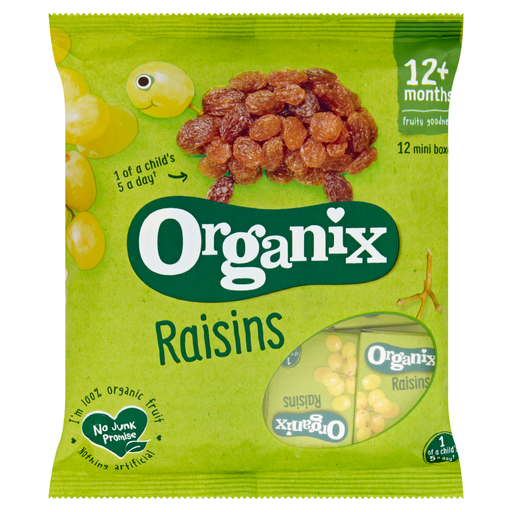 No image available
The individual 14g boxes make it straightforward to carry a measured amount. This is a product marketed for children aged 12 months and over; the NHS’s 30g dried-fruit 5 A Day portion is a separate measure, not the size of one box.
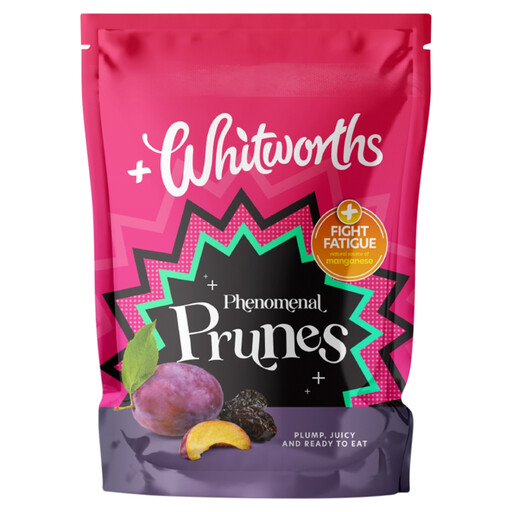 No image available
This 190g prune pack offers a different fruit choice from raisins. Check how much you intend to take for a meal and read the pack’s ingredients and after-opening instructions before leaving it in a bag.
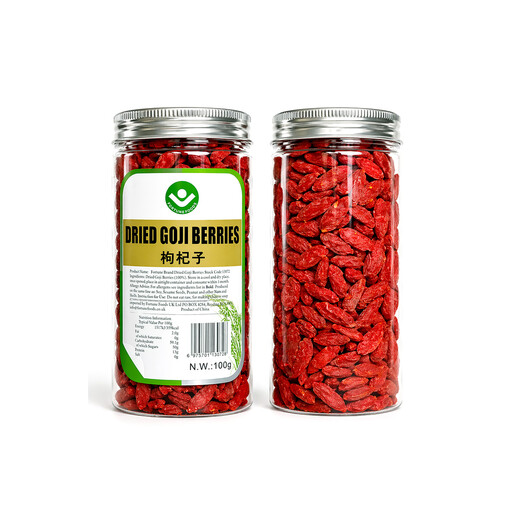 No image available
The 100g pack needs portioning if you plan to carry only a small amount. Check the preparation instructions before treating it as a ready-to-eat snack on the journey.
 No image available
Individual wrapping lets you take some prunes from the 500g pack without carrying the whole bag. Check the ingredients if you want fruit without added sweeteners; do not rely on the sugar-free wording in the longer product name alone.
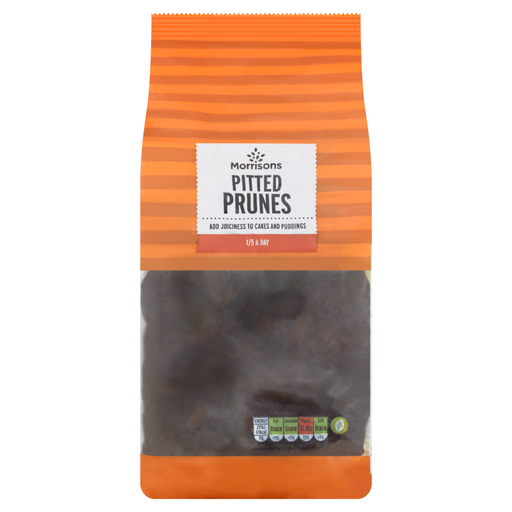 No image available
This 500g pack suits someone willing to portion prunes at home rather than carry the whole pack with coffee. Check the exact label for ingredients, serving information and storage instructions.
No. A low fat figure alone does not establish a reduction against a comparable product. Read the fat value per 100g and check what any ‘reduced fat’ wording is comparing.
The NHS says 30g of dried fruit counts as one portion of your 5 A Day, equivalent to around 80g of fresh fruit. A pack or individual box may contain a different amount.
The NHS advises eating dried fruit at mealtimes rather than as a between-meal snack to reduce tooth-decay risk. If the coffee break is separate from a meal, consider keeping the fruit for breakfast or lunch instead of grazing during the journey.
No. For example, Sainsbury’s lists BEAR Fruit Dried Mango as having no added sugar, while its nutrition information gives 57g sugars per 100g. Compare the ‘of which sugars’ figure as well as the ingredient list.
Follow the instructions for the exact product rather than assuming all dried fruit stores alike. ASDA Groceries’ listing for Whitworths Fantastic Flame Raisins says to refrigerate after opening and consume within two weeks, which matters if you planned to leave that pack in a commuter bag.