Cyclists packing food for a ride
Raisins, dates and mixed dried fruit are compact options when carbohydrate and a portable format are the priorities. Check the carbohydrate and protein figures separately: a fruit snack need not provide much protein.


Choose plain dried fruit when you want a portable carbohydrate food for a ride, rather than buying it for protein: Sainsbury's lists 0.7g protein per 30g of its mixed dried fruit, and Asda lists 0.8g per 30g of Whitworths chopped dates. If protein is the reason for your snack choice, compare the stated serving size and protein figure on a fruit-and-nut protein bar, or have the fruit alongside a separate protein food; check the ingredients and allergens as well.
Raisins, dates and mixed dried fruit are compact options when carbohydrate and a portable format are the priorities. Check the carbohydrate and protein figures separately: a fruit snack need not provide much protein.
If you want protein as well as carbohydrate, compare a clearly labelled protein bar with a fruit-plus-protein pairing. Plain dried fruit can be the fruit component, but the labelled examples here contain less than 1g protein per 30g.
Fruit-and-nut bars can contain nuts, while some dried fruits contain sulphites. If either matters to you, read the exact pack. Frequent between-meal dried-fruit snacking also calls for attention to the NHS advice on teeth and eating occasions.
Start with what the snack needs to provide—carbohydrate, protein or both—then compare figures on the same stated serving basis and check whether the ingredients suit you.
| Priority | What to check | Your needs |
|---|---|---|
| Protein per serving | Read the protein figure alongside the serving weight; do not compare bars and fruit portions as though they were the same size. Sainsbury's lists 0.7g per 30g for its mixed dried fruit, while its Nākd Cherry Protein Bar listing states 6g per 45g bar. | If protein is my reason for buying a snack, I want a stated figure for the exact product rather than assuming that fruit or nuts in the name make it a protein snack. |
| Carbohydrate for a ride | Check carbohydrate per serving and choose a pack and texture you can use on a ride. Asda lists 21.3g carbohydrate per 30g of Whitworths chopped dates; that figure does not establish how much an individual ride requires. | For food to carry on a ride, I care about the portion I can pack and whether I am comfortable eating it while cycling. |
| Portion and timing | Compare the pack's serving weight with the amount you plan to eat. The NHS describes around 30g of dried fruit as one 5 A Day portion and advises having dried fruit at mealtimes rather than grazing on it between meals because of the risk to teeth. | A large bag is convenient, but I want to know how much fruit I am taking and consider how often I eat it between meals. |
| Ingredients and allergens | Read the exact ingredient list and allergen declaration for nuts, peanuts and sulphites. The Food Standards Agency says sulphur dioxide or sulphites are often used in some dried fruits, including raisins, dried apricots and prunes. | If an ingredient is unsuitable for me, the protein figure alone cannot settle the choice; I need to check the particular pack. |
Sainsbury's mixed dried fruit lists 0.7g protein per 30g, and Asda's Whitworths chopped dates listing shows 0.8g per 30g. Those products serve a different purpose from a snack chosen for its protein figure.
Compare protein per stated serving. If it is your main criterion, check a protein-containing product or plan to eat the fruit with another protein food.
The NHS describes around 30g as a dried-fruit portion and advises eating dried fruit at mealtimes rather than repeatedly between meals because of the risk to teeth.
Check the serving weight and portion out what you intend to carry, rather than treating the whole bag as one snack.
A plain fruit mix and a fruit-and-peanut protein bar differ in ingredients as well as their stated protein per serving. A fruit-and-nut format does not, by itself, tell you the protein amount.
Read the exact bar's serving weight, protein figure, ingredients and allergen declaration before comparing it with dried fruit.
The Food Standards Agency notes that sulphites are often used in some dried fruits. Fruit-and-nut bars may also introduce peanut or tree-nut ingredients that are not present in the fruit you usually buy.
Check the current pack's ingredients, allergen declaration and precautionary statements whenever these ingredients matter to you.
These ranges illustrate different ways to shop for fruit and fruit-based snacks; a brand name or aisle does not establish the protein content of an individual product.
Whitworths lists plain dried fruit, fruit-and-nut mixes and nut products, so check which format you are buying.
Sunsweet focuses on prunes and prune-based recipes.
Tesco lists dried fruit, fruit-and-nut bars and protein powders as separate shopping categories.
Sainsbury's lists both plain dried fruit and a Nākd fruit-and-peanut protein bar.
Asda lists dried-fruit products including Whitworths Dazzling Chopped Dates.
M&S lists several fruit types, including raisins, dates, apricots and prunes, alongside a fruit-and-nut medley.
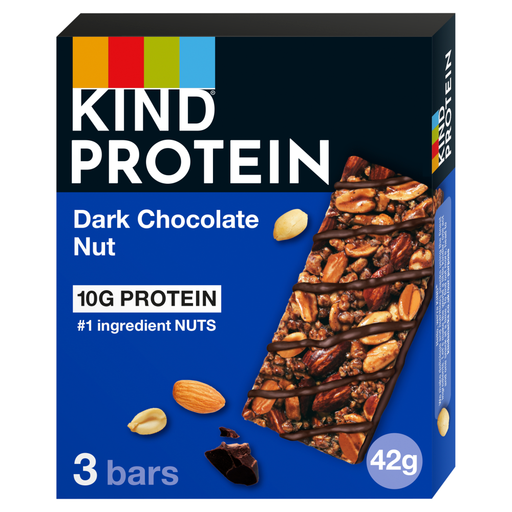
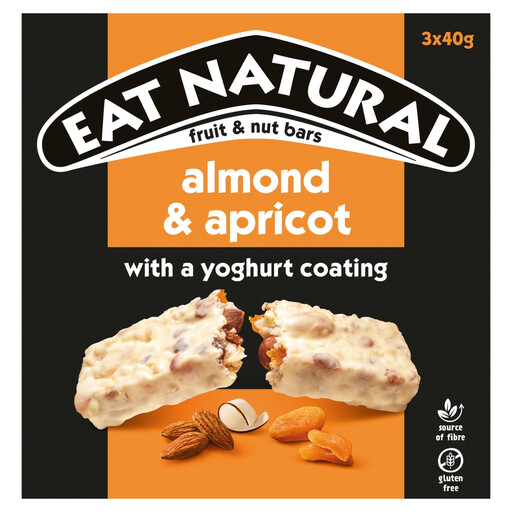
These Joybuy options are packaged nut and fruit-and-nut bars for comparing snack formats alongside plain dried fruit. Check each bar's current protein figure and ingredients rather than assuming every option is a high-protein dried-fruit snack.
 No image available
A packaged nut bar to consider when a labelled protein snack, rather than plain dried fruit, is the aim. The pack contains three 42g bars; check the current protein figure and allergen declaration for this variant.
 No image available
A peanut-and-chocolate bar for comparing labelled protein snacks with fruit-based options. The pack contains four 40g bars; check its protein per bar and peanut allergen information on the current pack.
 No image available
A fruit-and-nut bar format for a portable snack, rather than a choice to make on protein-bar wording alone. The pack contains four 35g bars; compare its protein figure and nut allergen declaration with the other options.
 No image available
An apricot, almond and yoghurt bar format to compare with plain dried fruit or protein-labelled bars. The three-pack weighs 120g; check protein per bar and the current milk and nut allergen declaration.
Do not assume so: Sainsbury's lists 0.7g protein per 30g of its mixed dried fruit, and Asda lists 0.8g per 30g of Whitworths Dazzling Chopped Dates. If protein is your priority, compare the exact product's labelled amount per serving or eat the fruit with a separate protein food.
Choose according to what you want the snack to provide. Plain dried fruit is a portable carbohydrate option; a bar needs its own protein and ingredient checks, as a fruit-and-nut name alone does not tell you how much protein it contains. Try an unfamiliar food in training before relying on it during a ride.
The NHS describes around 30g of dried fruit as one 5 A Day portion. That is a fruit-portion measure, not a prescribed amount to eat on a ride; use the product's serving weight when comparing its nutrition figures.
The NHS advises having dried fruit at mealtimes rather than repeatedly between meals because it can be high in sugar and can be bad for teeth. If you carry it for cycling, consider that advice alongside how often you eat it.
Check the exact pack's ingredients, allergen declaration and precautionary statements. The Food Standards Agency says sulphites are often used in some dried fruits, while fruit-and-nut bars may contain peanuts or other nuts; the ingredients of one flavour or variant do not establish those of another.