Calorie-conscious desk-lunch shoppers
If you want dried fruit with lunch, compare the energy in the amount you will actually eat. A small serving and a low-energy food are not the same thing.


Among the products with comparable nutrition figures, Whitworths Favourites Prunes list 42 kcal per 30g, while a 30g portion of M&S Collection Soft Figs works out at about 74 kcal from its per-100g label. The prunes suit a lower-energy portion; the figs offer more fibre on the same portion basis. For either choice, measure what you will eat with lunch and check the exact pack’s ingredients.
If you want dried fruit with lunch, compare the energy in the amount you will actually eat. A small serving and a low-energy food are not the same thing.
A labelled serving or a portion measured before work makes comparison easier than eating directly from a larger pack.
Ingredient lists matter if you wish to avoid added sweetening or need to check for sulphur dioxide and other listed preservatives.
Start with a comparable portion, then check ingredients and whether the pack size suits a quick lunch.
| Priority | What to check | Your needs |
|---|---|---|
| Portion energy | Compare kcal for the same 30g amount. Whitworths lists 42 kcal per 30g for Favourites Prunes; Tesco lists 99 kcal per 30g for Dried Mango. | I want to compare the amount I would put with lunch, rather than two differently sized packs. |
| Fibre and sugars | Read both figures on the nutrition panel. M&S lists 9.9g fibre per 100g for Collection Soft Figs; Tesco lists 20.7g sugars per 30g for its Cranberries. | Fibre may affect which fruit I choose, but I also want to see the sugars listed for my portion. |
| Ingredients | Check for added sweetening and preservatives. Tesco Cranberries contain fruit-juice-derived syrup; Tesco Dried Mango lists sulphur dioxide. | If I prefer fruit without added sweetening, or need to avoid a particular ingredient, the fruit name alone will not tell me enough. |
| Pack and timing | Check the amount in an individual pack against the 30g dried-fruit portion identified by the NHS for 5 A Day. The NHS advises eating dried fruit at mealtimes rather than between meals. | A portion prepared for lunch would suit me better than repeatedly taking handfuls from a bag at my desk. |
| Sulphites | Read the current ingredient and allergen information. The Food Standards Agency identifies sulphur dioxide and sulphites as ingredients used in some dried fruit and notes a higher reaction risk for people with asthma. | I need to check the exact product if sulphites are a concern for me. |
A smaller serving can have fewer calories without changing the product’s energy per 100g.
Compare products at the same 30g amount, and check the per-100g panel too.
Tesco Cranberries contain fruit-juice-derived syrup and list 20.7g sugars and 104 kcal per 30g, according to Tesco.
Read the ingredient list alongside the sugars and energy figures for the portion you plan to eat.
It becomes difficult to tell how much you have eaten. NHS guidance also advises having dried fruit at mealtimes rather than between meals to reduce tooth-decay risk.
Measure a portion to have with lunch instead of using the bag as an unmeasured desk snack.
Tesco Dried Mango lists sulphur dioxide. The Food Standards Agency says people with asthma have a higher risk of a reaction to sulphur dioxide.
If sulphites are a concern, check the current pack’s ingredient and allergen information before choosing it.
Whitworths lists Favourites Prunes at 42 kcal and 2.3g fibre per 30g. Its Sunny Raisins come in 14g boxes listed at 47 kcal each.
Tesco lists 30g nutrition figures for its Dried Mango and Cranberries, allowing a comparison on the same portion basis.
M&S Collection Soft Figs list 246 kcal and 9.9g fibre per 100g. That works out at about 74 kcal and 3.0g fibre for 30g.
These options include prunes, figs, raisins and portioned fruit snacks for a desk lunch. Pack sizes differ, so check each product’s nutrition panel for the amount you intend to eat.
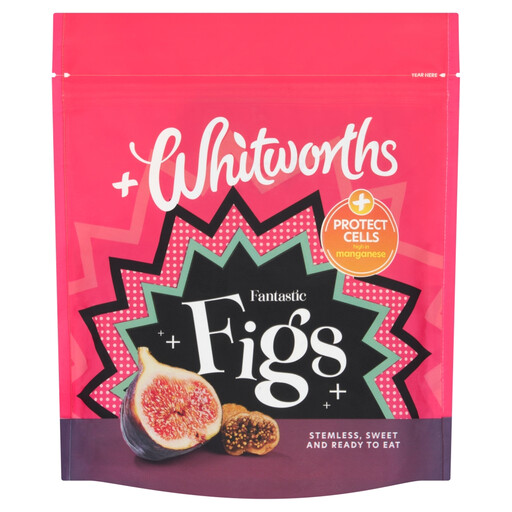 No image available
If you plan to compare a 30g fruit portion, measure it from this 175g pack and use this product’s own nutrition panel.
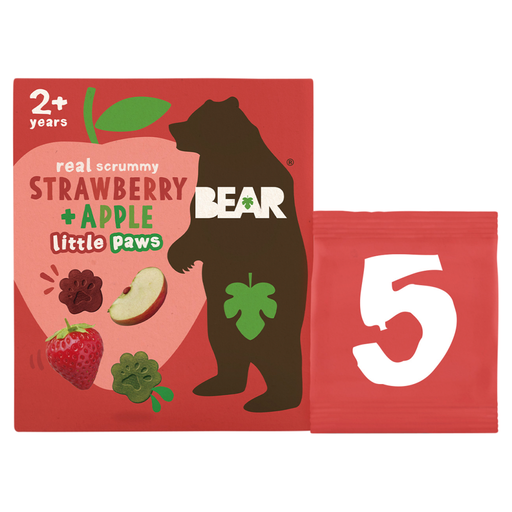 No image available
The 20g pack size offers a defined amount for lunch; compare its nutrition information at that amount rather than assuming it matches a 30g dried-fruit serving.
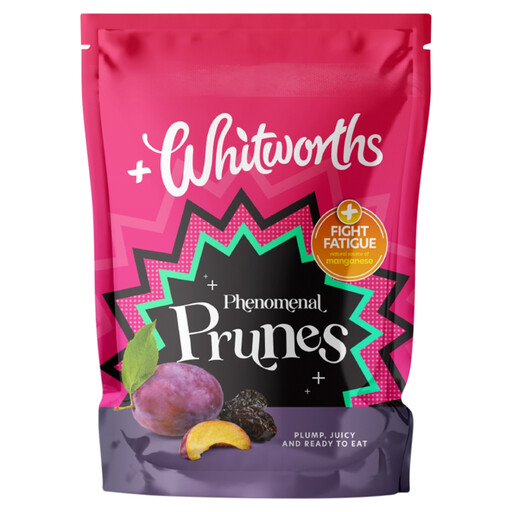 No image available
Measure a lunch portion from this 190g pack if portion size matters to you. These are Snacking Prunes, not the Favourites Prunes used in the 42 kcal comparison above; check this product’s own label.
 No image available
Each 14g box gives you a defined amount to take with lunch, but one box is smaller than the NHS’s 30g dried-fruit portion for 5 A Day.
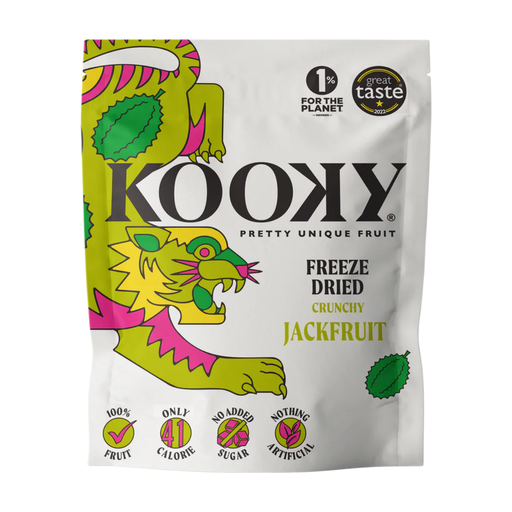 No image available
This 12g pack is smaller than a 30g comparison portion. Check the pack’s own energy and ingredient information when deciding whether it fits your lunch.
No. Portion energy and energy per 100g answer different questions. Whitworths lists 42 kcal per 30g for Favourites Prunes, while M&S lists 246 kcal per 100g for Collection Soft Figs; compare the same amount when choosing between them.
The NHS says 30g of dried fruit counts as one portion of 5 A Day. Measuring 30g also gives you a consistent amount for comparing product nutrition panels, even when the packs are different sizes.
The NHS advises eating dried fruit at mealtimes rather than between meals to reduce tooth-decay risk. Having a measured portion with desk lunch follows that guidance more closely than grazing from a bag throughout the afternoon.
Check the exact pack if sulphites are a concern. Tesco Dried Mango lists sulphur dioxide, and the Food Standards Agency notes that people with asthma have a higher risk of a reaction to sulphur dioxide.
On a 30g basis, Tesco lists 104 kcal and 20.7g sugars for its Cranberries, which contain fruit-juice-derived syrup. Whitworths lists 42 kcal and 10.2g sugars for Favourites Prunes. Those figures compare these specific products, not every cranberry and prune product.