People with diabetes choosing a dried-fruit snack
Portion size matters when accounting for carbohydrate. Diabetes UK notes that dried fruit is easy to eat in large amounts and that a 30g serving can contain as much as 20g carbohydrate.


Choose dried fruit by the portion you plan to eat, its carbohydrate and sugars information, and the ingredients and allergen statements on the current pack. A short ingredient list can make added sweetening ingredients easier to spot, but it does not establish allergy suitability or remove the need to count carbohydrate: Diabetes UK notes that 30g of dried fruit can contain as much as 20g carbohydrate.
Portion size matters when accounting for carbohydrate. Diabetes UK notes that dried fruit is easy to eat in large amounts and that a 30g serving can contain as much as 20g carbohydrate.
Check nutrition and allergy suitability separately. The ingredients and any precautionary statement need to be assessed for the particular allergen you avoid, whether that is sulphites, peanuts, nuts, sesame or soya.
Plain raisins and prepared mixed fruit are not interchangeable on an ingredients list. For example, Tesco Seedless Raisins lists raisins and sunflower oil, while Tesco Dried Mixed Fruit includes candied peel made with glucose syrup and sugar.
Start with the amount you will use, then read the nutrition, ingredients and allergen information for that exact product.
| Priority | What to check | Your needs |
|---|---|---|
| Portion and carbohydrate | Find the pack’s serving size and carbohydrate and sugars values. If comparing products, use the same quantity rather than unlike serving sizes. | I want to know what my planned portion contributes to my carbohydrate intake. Diabetes UK notes that 30g of dried fruit can contain as much as 20g carbohydrate. |
| Added ingredients | Read the full ingredients list, including components of candied peel or sweetened fruit. Check the product’s nutrition declaration rather than judging it by a front-of-pack fruit name. | For baking or snacking, I want to distinguish plain fruit from a mix containing added sugar or syrup. Tesco Dried Mixed Fruit, for example, includes candied peel made with glucose syrup and sugar. |
| Named allergens | Look for your specific allergen in the ingredients, then read any suitability or ‘may contain’ statement. The Food Standards Agency explains that precautionary wording communicates possible unintended allergen presence. | Even if the fruit itself suits me, I need to check the whole product for the allergen I avoid, including any cross-contact warning. |
| Current pack label | Match any online shortlist to the ingredient, nutrition and allergen details on the pack you receive. Assess ‘free from’ wording only for the ingredient or allergen it names. | I need the pack I buy to meet both my carbohydrate-planning needs and my particular allergen requirements; one claim cannot answer both questions. |
Dried fruit is easy to eat in a larger amount than intended. Diabetes UK notes that a 30g serving can contain as much as 20g carbohydrate.
Decide how much you will have, measure it where practical and use the pack’s carbohydrate declaration alongside any individual advice you follow.
Some mixes contain prepared components: Tesco Dried Mixed Fruit includes candied peel made with glucose syrup and sugar, while Whitworths 1DERS Fruit and Nut Mix contains sweetened dried cranberries.
Read the sub-ingredients as well as the product name, and compare nutrition for the amount you intend to use.
According to the Food Standards Agency, precautionary allergen labelling communicates that an allergen could be unintentionally present. A fruit-and-nut mix can also contain allergens as direct ingredients.
Check your named allergen in both the ingredients and precautionary statement; do not rely on the product being fruit-based.
An online description is useful for narrowing a choice, but the label on the pack you receive is the practical check for its ingredients and allergen statements.
Read that label before eating, particularly when you need to avoid a specific allergen.
These examples show why the individual product matters more than a brand name when checking carbohydrate, ingredients and allergens.
Tesco’s dried-fruit listings include both plain raisins and prepared mixed fruit.
Whitworths offers fruit-and-nut snacks as well as dried fruit; the ingredients determine which type of product you are considering.
M&S publishes ingredient and allergy details for individual dried-fruit products.
These Joybuy options are individual dried-fruit products, including figs, raisins, prunes, red dates and goji berries. Compare each pack’s portion, nutrition and allergen information against your own requirements rather than treating the selection as free from a particular allergen.
 No image available
For a measured fig portion, check the carbohydrate and sugars declaration for the amount you plan to eat. If you avoid nuts or peanuts, review the current pack’s allergen and precautionary wording before choosing it.
 No image available
The 12 x 14g format provides a stated quantity per pack unit. Compare the carbohydrate declaration with the number of units you intend to eat, and check the current allergen label.
 No image available
If you are considering these pitted prunes for a measured snack, check the current ingredients and carbohydrate and sugars values for your intended portion. Do not use a sugar-free claim in place of the nutrition declaration.
 No image available
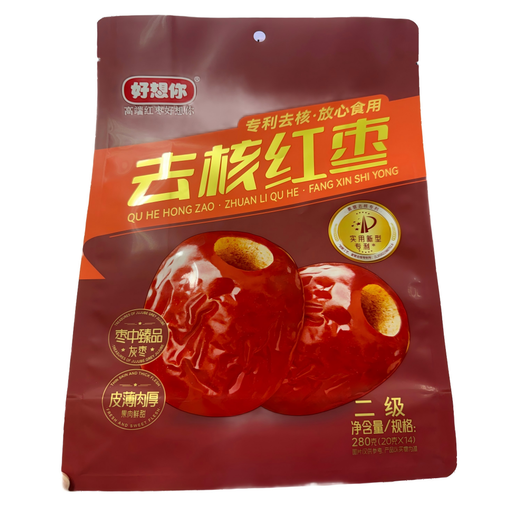
These pitted red dates come in a 280g pack. Measure the quantity you intend to use and check the pack’s carbohydrate, sugars and allergen information.
 No image available
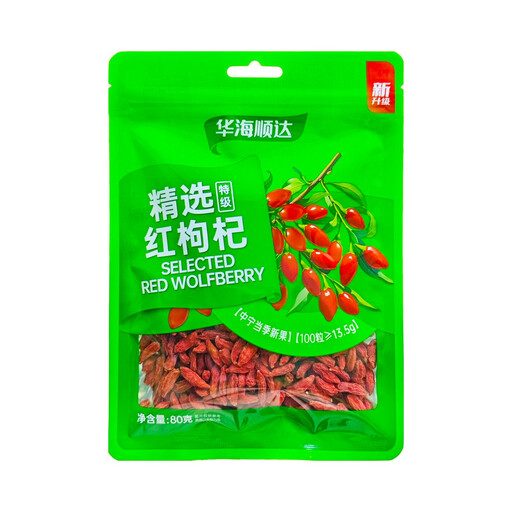
For a recipe or measured portion, use the quantity you will actually eat when reading this 80g pack’s nutrition information. Check its current ingredients and allergen statements for your requirements.
Portion and carbohydrate information are the starting points, rather than a general ‘diabetic friendly’ description. Diabetes UK notes that dried fruit is easy to eat in large amounts and that 30g can contain as much as 20g carbohydrate; follow any individual dietary or carbohydrate-counting advice you have been given.
No. A claim about a named ingredient or allergen does not tell you the carbohydrate in your portion. Check the nutrition declaration separately, and read the full ingredients list for sweetened components.
It is precautionary allergen information about possible unintended presence. The Food Standards Agency explains that such wording can communicate a cross-contact risk; assess it for the specific allergen you need to avoid, alongside the ingredients list.
Yes, if sulphur dioxide or sulphites are an allergen you avoid. For example, the M&S listing for Orchard Fruits Medley declares sulphur dioxide, and Tesco Dried Mixed Fruit lists it within its candied-peel ingredients. Check the current product pack rather than assuming all dried fruit has the same ingredients.
Use it to shortlist products, then read the label on the pack you receive before eating. Check the ingredients, your named allergen and any precautionary or suitability statement on that pack.