People managing carbohydrate intake with diabetes
Check the carbohydrate in the portion you intend to eat rather than relying on a low-fat claim. Diabetes UK notes that front-of-pack traffic-light labels do not show carbohydrate.


A reduced-fat label is not enough to judge a dried-fruit portion when you are managing diabetes. Diabetes UK advises checking carbohydrate amounts, so compare the carbohydrate in the amount you plan to eat, read the ingredients for added sugars and decide whether a small pack or a measured serving from a larger one is easier for you to use.
Check the carbohydrate in the portion you intend to eat rather than relying on a low-fat claim. Diabetes UK notes that front-of-pack traffic-light labels do not show carbohydrate.
A small, individually packed serving gives you a stated amount to compare with a nutrition label. If you buy a larger bag, measuring out a portion serves the same planning purpose.
Plain fruit and fruit-and-nut mixes can have different ingredients. Read the specific pack for added sugars, nuts and sulphites where these matter to you.
Start with the portion you would eat, then compare its carbohydrate value and ingredients; use fat content to distinguish options such as plain fruit and fruit-and-nut mixes, not as a substitute for those checks.
| Priority | What to check | Your needs |
|---|---|---|
| Carbohydrate | Read total carbohydrate on the nutrition label. Compare products using the same serving weight, then account for the amount you would actually eat. Diabetes UK says a 30g dried-fruit serving can contain as much as 20g carbohydrate. | I want to know the carbohydrate in my planned portion, not just whether the pack says low fat. |
| Portion format | Check the weight of a single pack or measure a serving from a larger bag. A labelled serving is a comparison point, not an individual portion prescription. | A small pack may make it simpler for me to stop at the amount I planned; with a larger bag, I can measure some out first. |
| Ingredients | Compare plain fruit with mixes and look for sweetened fruit, syrup, honey or fruit-juice concentrate. Check the complete ingredient list rather than a front-of-pack description. | If I am avoiding added sugars, I want to distinguish sugar occurring naturally in fruit from ingredients added to a mix. |
| Fat | Read fat alongside carbohydrate, especially when comparing plain fruit with a fruit-and-nut mix. Whitworths lists 0.1g fat per 14g box of Sunny Raisins and 7.1g per 30g of its examined fruit-and-nut mix; these are different products and serving sizes. | I may want nuts in my snack, but a reduced-fat description alone will not answer my carbohydrate question. |
| Allergens | Check the pack for nuts, sulphites and relevant cross-contact statements. The Food Standards Agency identifies sulphur dioxide and sulphites as ingredients used in some dried fruits. | If an ingredient or allergen matters to me, I need the declaration for the particular product I am buying. |
Low-fat raisins can still contain substantial carbohydrate: the examined Tesco, Sainsbury's and Asda products list 18.8g, 20.8g and 22g respectively per 30g serving. Diabetes UK advises checking carbohydrate rather than relying on front-of-pack traffic lights.
Compare the back-of-pack carbohydrate value for the portion you intend to eat. Treat fat as a separate consideration.
A mix can contain sweetened fruit: Whitworths lists sweetened dried cranberries in its examined fruit-and-nut product. Diabetes UK also identifies ingredients such as syrup and honey as added sugars.
Read the ingredient list when choosing between plain dried fruit and a mix.
The amount eaten can differ from the serving used on the nutrition label. Diabetes UK notes that 30g of dried fruit can contain as much as 20g carbohydrate.
Measure the amount you plan to eat, or compare a small, individually packed serving with your needs.
Fruit-and-nut mixes can contain nuts, while the Food Standards Agency notes that sulphites are used in some dried fruits.
Check the ingredients and allergen declaration on the specific pack each time you buy it.
These examples show why the product format and its own nutrition label matter more than a brand name alone.
Its examined products include small raisin boxes and a separate fruit-and-nut mix.
The examined seedless raisins come in a 500g bag.
The examined seedless raisins come in a 1kg pack.
The examined seedless raisins have nutrition values stated for a 30g serving.
The examined raisins come in a 500g pack, with nutrition stated per 100g.
These options include small raisin packs and larger packs of other dried fruits. Compare the ingredients and carbohydrate label of each product for the portion you would use; the pack formats are not interchangeable.
 No image available
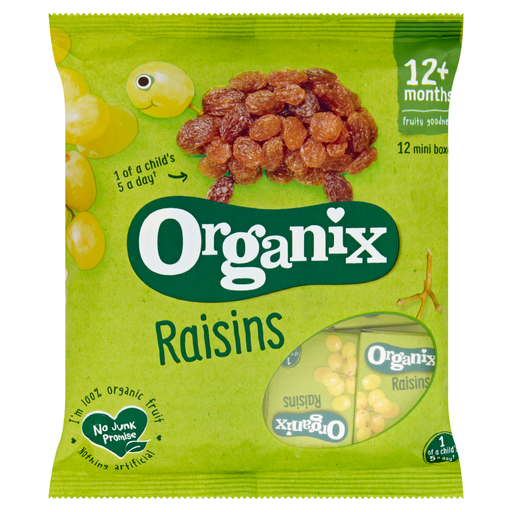
The 14g mini boxes give you a defined amount to compare with the carbohydrate information on the pack. This product is marketed for children aged 12 months and over; check the label for your own planned serving rather than treating its pack size as an individual recommendation.
 No image available
Individually wrapped prunes offer a way to count out a planned amount, but the wrapping does not establish a serving size. Check the stated isomaltose ingredient and the carbohydrate value for the amount you choose; do not rely on the sugar-free wording in the original product title.
 No image available
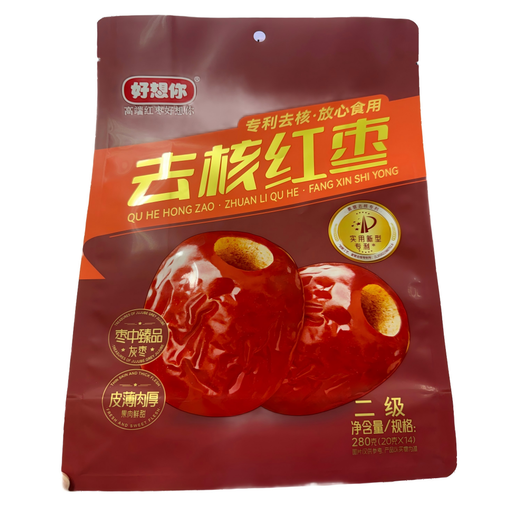
This 280g bag is an option if you want pitted red dates and are prepared to measure a serving. Check the pack's carbohydrate value against the amount you plan to eat rather than using its fat value as the deciding figure.
 No image available
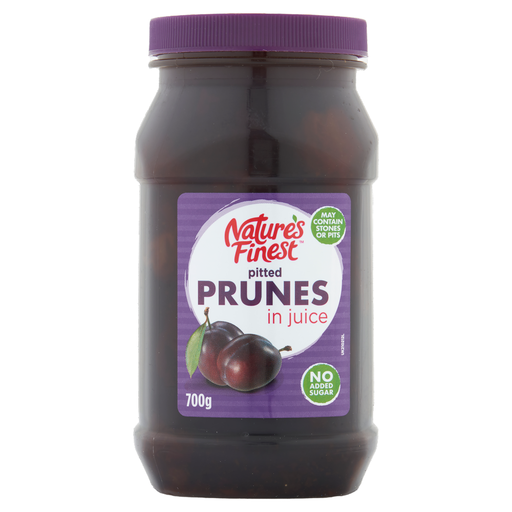
Measure a serving from the 700g tub when comparing its carbohydrate label with smaller packs. Its stated ingredients include fruit juice from concentrate, so read the full list if you are choosing between plain fruit and products with added ingredients.
 No image available
This 100g bag needs a measured serving for portion-based comparison. The stated instructions require cooking, so do not choose it as a ready-to-eat snack without checking preparation directions. Confirm the carbohydrate and sugars figures on the pack before using them to compare portions.
Not by itself. Diabetes UK advises paying attention to total carbohydrate and notes that front-of-pack traffic-light labels do not show it. Check the carbohydrate in the portion you would eat, then consider fat and ingredients for your other selection needs.
A 30g serving is a useful weight for comparing dried-fruit labels, not a personal portion recommendation. Diabetes UK notes that this amount can contain as much as 20g carbohydrate; use the label for your chosen product and the amount you intend to eat.
Read the ingredient list if avoiding added sugars is important to you. Diabetes UK distinguishes sugar naturally present in fruit from added ingredients such as syrup and honey; the examined Whitworths fruit-and-nut mix includes sweetened dried cranberries.
Check the specific product's ingredients and allergen declaration if sulphites are relevant to you. The Food Standards Agency identifies sulphur dioxide and sulphites as ingredients used in some dried fruits, including raisins, apricots and prunes.