People planning a measured portion
If you tend to eat from a large bag, a small box or a portion measured in advance makes the amount easier to keep track of. Check the calories for that amount, not just the pack size.


For a separate, between-meal elevenses, consider fresh fruit instead: NHS guidance advises eating dried fruit at mealtimes to reduce the risk of tooth decay. If you want dried fruit with a meal, choose an amount you can measure and compare calories for that portion as well as per 100 g; a small pack does not make its contents low in calories per 100 g.
If you tend to eat from a large bag, a small box or a portion measured in advance makes the amount easier to keep track of. Check the calories for that amount, not just the pack size.
Plain dried fruit, coated raisins and sweetened fruit mixes have different ingredients and nutrition values. Compare the particular products rather than assuming a fruit-based snack has one nutritional profile.
Small packs can be convenient, but the ingredients, allergen declarations and fruit-stone warnings still matter. For a snack eaten between meals, take account of the NHS advice to have dried fruit at mealtimes instead.
Start with when the fruit will be eaten, then compare the intended portion, ingredients and pack warnings. Calories per 100 g help you compare products of different sizes; calories per serving tell you about the amount you plan to eat.
| Priority | What to check | Your needs |
|---|---|---|
| Portion and label | Read kcal per 100 g and for the amount you will eat. Check the weight of an individual box rather than treating one pack as a standard serving. Tesco lists 40 kcal for its 14 g raisin box and 285 kcal per 100 g. | I want to know the calories in the portion I actually eat. In a Food Standards Agency/Ipsos survey of 611 people interviewed in Northern Ireland from September to November 2024, 49% said they actively used traffic-light labelling when shopping for food; that figure describes general label use, not dried-fruit preferences. |
| Ingredients | Look for coatings, candied fruit and sweetened ingredients, then compare the nutrition panels. Whitworths lists 133 kcal per 30 g for its yogurt-coated raisins; Marks & Spencer lists 340 kcal per 100 g for its mixed fruit with sweetened components. | When choosing a fruit-based snack, I want to know whether it contains more than the named dried fruit. |
| Eating occasion | The NHS says 30 g of dried fruit counts as one 5 A Day portion, but advises eating it at mealtimes rather than between meals to reduce tooth-decay risk. | Elevenses is separate from my meals, so I want to consider fresh fruit instead of making dried fruit a routine between-meal snack. |
| Pack warnings | Read the exact pack for allergens and physical warnings. Marks & Spencer soft apricots contain sulphites and may contain stones; Whitworths yogurt-coated raisins contain milk and soya. | For someone with a relevant allergy or a child eating from the pack, I need to check that particular product before serving it. |
Pack size and calorie density answer different questions. Marks & Spencer lists 217 kcal per 100 g for its soft apricots, while Tesco lists 285 kcal per 100 g for its seedless raisins.
Compare products per 100 g, then check the calories for the portion you intend to eat. Measure fruit taken from a larger bag.
Whitworths yogurt-coated raisins contain sugar and palm oil and list 133 kcal per 30 g. Marks & Spencer mixed fruit includes sweetened and candied ingredients and lists 340 kcal per 100 g.
Read the ingredients before comparing nutrition values, and make the comparison using the same weight or your intended serving.
NHS guidance says dried fruit should be eaten at mealtimes, not as a between-meal snack, to reduce the risk of tooth decay. That matters when elevenses is separate from breakfast and lunch.
Consider fresh fruit for a separate elevenses. If you choose dried fruit, plan to have it with a meal rather than grazing on it through the morning.
Marks & Spencer soft apricots contain sulphites and may contain fruit stones. Whitworths yogurt-coated raisins contain milk and soya.
Check the current pack’s ingredients, allergen declaration and stone warning, particularly when choosing for a child or someone with an allergy.
These examples show why the exact product and portion matter more than the brand name alone.
Its range includes plain dried fruit and coated raisins, which call for different ingredient and nutrition checks.
Its soft apricots and mixed fruit provide two distinct examples for comparing dried-fruit labels.
Its individually boxed raisins offer a fixed portion alongside larger dried-fruit pack formats.
Its dried-fruit category includes small packs of different fruits, including apricots, pineapple and mango.
These options include a portioned raisin pack and larger packs of prunes or figs. If dried fruit is for a separate elevenses, bear in mind the NHS advice to eat it at mealtimes; for a meal, compare the amount you would serve from each pack.
 No image available
The individual 14 g boxes give you a fixed amount without measuring from a larger pack. Check the pack’s nutrition information for that amount.
 No image available
This prune pack is an option if you prefer to decide your serving size. Check its ingredients and nutrition panel rather than treating it as interchangeable with plain prunes.
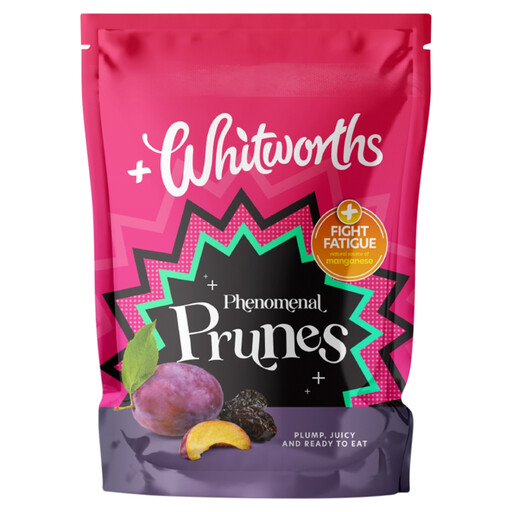 No image available
Measure the amount you intend to serve from this 190 g pack and use the product’s nutrition label for the portion calculation. Check the pack for any warning about stone fragments.
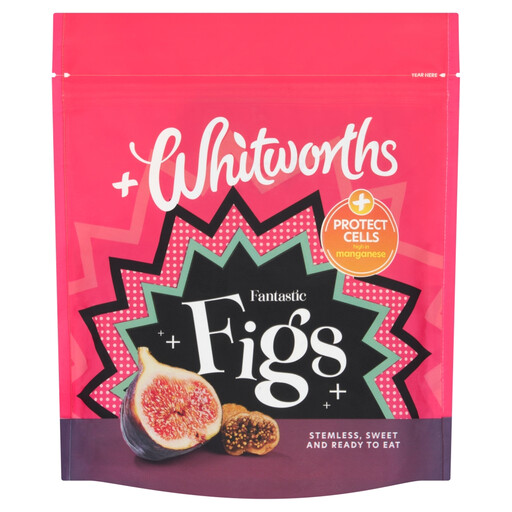 No image available
If you prefer figs, this 175 g pack lets you measure a serving yourself. Compare its nutrition label with other fruits at the weight you plan to eat.
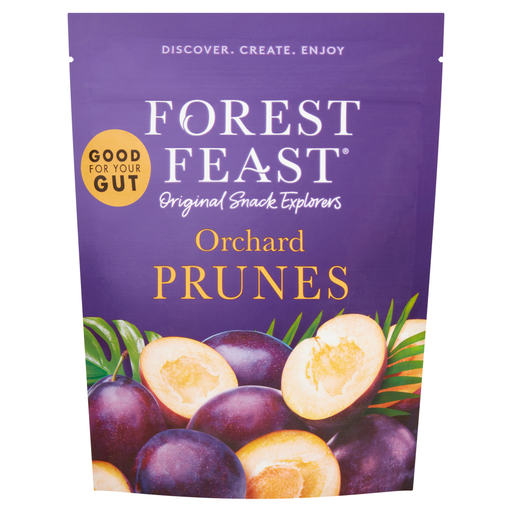 No image available
This 200 g prune pack requires you to set aside a serving rather than rely on an individual box. Read its ingredients and compare calories for the measured amount.
Do not judge it by a small pack’s total calories alone. Tesco seedless raisins list 285 kcal per 100 g, while Marks & Spencer soft apricots list 217 kcal per 100 g. Compare per 100 g for a like-for-like product comparison and the calories in the amount you would eat.
Yes. The NHS says 30 g of dried fruit counts as one 5 A Day portion. It also advises eating dried fruit at mealtimes rather than as a between-meal snack to reduce tooth-decay risk.
Choose a pack with a stated individual weight or measure a serving from a larger bag before eating it. Tesco’s 14 g raisin box lists 40 kcal; use the nutrition information for the exact product and amount you choose.
Check the exact pack for allergens, ingredients and stone warnings. Marks & Spencer soft apricots contain sulphites and may contain fruit stones, while Whitworths yogurt-coated raisins contain milk and soya.
Use the physical pack label for the product you received. If an allergen, ingredient or nutrition detail you need is unclear, contact the retailer or manufacturer before eating it.