Families using dried fruit in meals and baking
A larger pack of raisins or mixed fruit can suit breakfasts and recipes. Check which fruits the recipe needs, how you will store the opened pack and whether its size fits your household’s use.


For a large family shop, do not choose dried fruit on a reduced-fat description alone: the Tesco, M&S and Whitworths packs described below declare between 0.4g and 1.0g fat per 100g. Choose a larger pack when it suits your recipes and you can store it as directed; compare sugars and ingredients on the exact pack, plan portions, and check for sulphites where relevant.
A larger pack of raisins or mixed fruit can suit breakfasts and recipes. Check which fruits the recipe needs, how you will store the opened pack and whether its size fits your household’s use.
Portioned boxes make the amount in each serving visible, but they do not change when dried fruit is served. The NHS advises giving children dried fruit with meals rather than between them to reduce tooth-decay risk.
Check the ingredients and allergen statement on each exact variety. The Food Standards Agency says sulphites are often used in dried fruit and notes a higher risk of reaction for people with asthma.
Start with the fruit and pack format your family will use, then compare nutrition panels on the same per-100g basis and check the serving and storage instructions.
| Priority | What to check | Your needs |
|---|---|---|
| Fat and claims | Compare total fat per 100g on similar products. If a pack says “reduced fat”, check what product it is compared with; do not confuse that comparison with its total fat content. | I want to know what the fat figure means before choosing a pack. Tesco Seedless Raisins declare 1.0g fat per 100g, while the M&S raisins and mixed fruit described here each declare 0.4g per 100g, according to their retailer listings. |
| Fruit and pack size | Choose single-fruit or mixed fruit to fit the recipe. Check the total pack weight and the instructions for storing it after opening. | For regular baking, I can use a larger pack; for measured servings, smaller boxes may be easier to divide between meals. A pack is only convenient if we can use it as directed. |
| Sugars and portions | Read sugars per 100g and work out the amount in the serving you intend to use. The NHS says 30g of dried fruit counts as one 5 A Day portion and advises eating it at mealtimes to reduce tooth-decay risk. | I want to plan how much goes into breakfasts or family meals rather than leave a large bag out for repeated snacking. |
| Ingredients and allergens | Read the exact pack’s ingredients, allergen declaration and any precautionary statement, particularly when changing varieties or buying a fruit mix. The Food Standards Agency notes that dried fruit may contain sulphites. | If someone in my household needs to avoid an ingredient, another variety’s label is not enough to make this pack suitable. |
The checked Tesco, M&S and Whitworths packs declare 0.4g to 1.0g fat per 100g, but their sugars, pack formats and storage needs also differ.
Compare nutrition on the same per-100g basis, then check the ingredients and the amount your family is likely to serve.
Storage instructions can change the practical value of a larger pack. The Tesco listing for Whitworths Extra Juicy Snacking Raisins says to reseal, refrigerate and use the 325g pack within two weeks of opening.
Check the instructions on the pack you choose and whether your household will use it within the stated period.
The Food Standards Agency says sulphites are often used in dried fruit, while ingredients and allergen declarations can differ between products.
Read the exact pack, especially when switching between plain fruit, mixed fruit and preserved or flavoured varieties.
A measured box helps show the amount served, but it does not remove the tooth-decay consideration. The NHS advises giving children dried fruit at mealtimes rather than between meals.
Plan boxes or servings alongside meals, and measure dried fruit taken from a larger bag.
These examples show how pack format and label details vary; they are not a statement that every product from a brand has the same ingredients or nutrition.
Tesco Seedless Raisins are a 500g single-fruit example for households using raisins in cooking or baking.
The named products illustrate two different formats: a 325g pack of partially rehydrated snacking raisins and small Sunny Raisins boxes.
M&S lists both 500g raisins and a 500g mixed-fruit pack for different recipes.
These options cover larger prune packs, small raisin or blueberry portions, and a preserved plum snack. Check each product’s label rather than treating the different fruits and formats as interchangeable.
 No image available
A 500g prune option for a family shop. Check the pack’s nutrition, ingredients and wrapping format if you intend to divide it into individual servings; do not rely on the product title’s sugar claim without checking the label.
 No image available
Twelve 14g boxes provide pre-measured amounts rather than one larger cooking pack. For children, follow the NHS advice to serve dried fruit with meals rather than between them, and check the exact pack’s ingredients.
 No image available
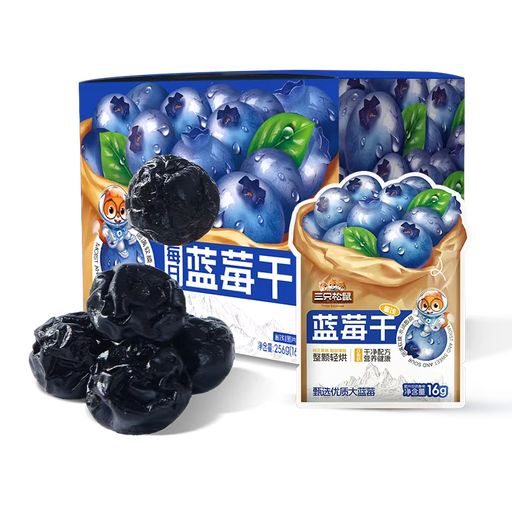
The 256g box is divided into sixteen 16g packs. Compare its ingredients and sugars with the raisin or prune options if the fruit and portion size matter to your household.
 No image available
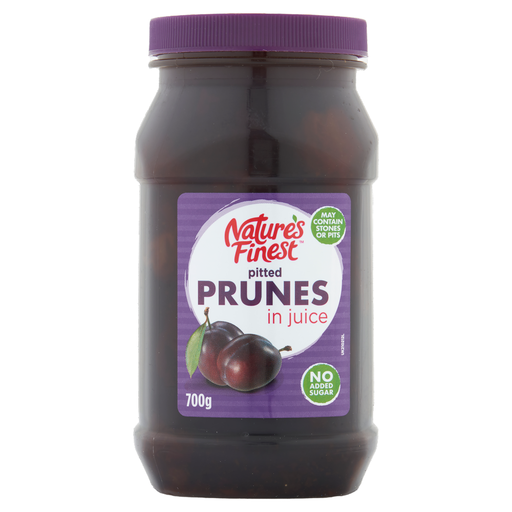
A 700g prune pack may suit meals or baking if your household can use it within the pack’s post-opening storage period. Check the ingredients and any warning about stones or fragments before serving.
 No image available
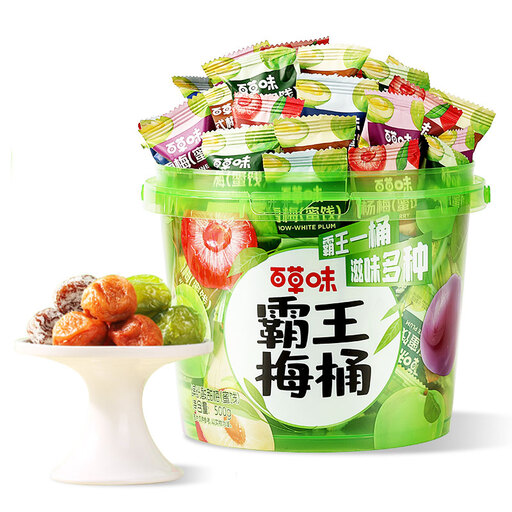
This portioned preserved-plum snack is different from plain dried fruit. The supplied product information flags sulphites and Ponceau 4R (E124), with a warning that the colouring may have an adverse effect on activity and attention in children. Check the exact pack before buying it for children or anyone who needs to avoid sulphites.
Not on that description alone. Tesco Groceries and Marks & Spencer list 0.4g to 1.0g fat per 100g for the named raisin and mixed-fruit packs, while their other label details and pack formats differ. Compare the total fat figure and, if a pack says “reduced fat”, check what it is compared with.
The NHS says 30g of dried fruit counts as one 5 A Day portion. A 14g raisin box is a smaller amount, so check the box weight rather than assuming one box equals that portion.
The NHS advises giving children dried fruit at mealtimes rather than between meals to reduce tooth-decay risk. That advice still applies when the fruit comes in a small box or individual pack.
Check the exact pack if sulphites are relevant to your household. The Food Standards Agency says they are often used in dried fruit and notes a higher risk of reaction for people with asthma; one fruit variety’s ingredients do not establish what is in another.
A larger pack suits a family that will use it and can follow its storage instructions. Check the post-opening period before buying: Tesco Groceries says Whitworths Extra Juicy Snacking Raisins must be refrigerated and used within two weeks of opening, despite being a 325g pack.