Campers adding fruit to meals
If dried fruit is going into breakfast or another campsite meal, consider how much you will use at once and whether you can follow the pack’s storage instructions after opening it.


For festival camping, start with the fat figure and ingredients on the dried-fruit pack rather than seeking a product labelled “reduced fat”. A low fat figure alone does not establish what a reduced-fat claim is comparing; serving size, sugars, allergens and storage instructions also matter when choosing what to pack.
If dried fruit is going into breakfast or another campsite meal, consider how much you will use at once and whether you can follow the pack’s storage instructions after opening it.
If fat is your main comparison point, distinguish plain dried fruit from products containing nuts, coconut or other added ingredients. Check the nutrition panel rather than relying on the product category or a front-of-pack phrase.
Read the current ingredient and allergen statement if sulphites are a concern. The Food Standards Agency says sulphur dioxide and sulphites are often used in dried fruit and notes a higher risk of reaction for people with asthma.
Choose the type of fruit you want to pack, then compare like-for-like nutrition figures and check how the pack will work at the campsite.
| Priority | What to check | Your needs |
|---|---|---|
| Fat and label wording | Compare fat per 100g and per serving. Treat “reduced fat” as a comparison claim, not as another way of saying that a product has a small fat figure. | I want to compare the fat in the amount I expect to eat, without assuming that every plain dried-fruit pack needs a reduced-fat label. |
| Sugars and portion | Read sugars per serving and note the serving size. Sainsbury’s declares 22.2g sugars in a 30g serving of its Mixed Dried Fruit; the NHS says 30g of dried fruit counts as one 5 A Day portion. | For a campsite meal, I want an amount I can portion deliberately rather than taking repeated handfuls throughout the day. |
| Added ingredients | Check whether the pack contains only dried fruit or also candied fruit, nuts, coconut or cereal. Compare fat figures between similar types of product. | Variety might matter for breakfast, but I do not want to mistake a fruit-containing cereal or snack mix for plain dried fruit. |
| Allergens | Read the current ingredient and allergen statement, including any declaration of sulphur dioxide or sulphites. Check again when changing product or pack. | If I am sharing food or avoiding a particular ingredient, I need the declaration on the pack I take with me. |
| Pack and storage | Match the pack size to your planned meals and follow its instructions after opening. One Tesco dried mixed-fruit pack specifies cool, dry storage and an airtight container once opened. | A smaller pack may suit one meal; for a larger pack, I need a practical way to follow its storage instructions at camp. |
The phrase describes a comparison, whereas the nutrition panel gives the fat content of the product. A small fat figure does not, by itself, establish a reduction against another product.
Compare the declared fat per 100g and per serving. If a reduction claim affects your choice, check what comparable product it refers to.
Sainsbury’s Mixed Dried Fruit declares less than 0.5g fat but 22.2g sugars per 30g serving, and its mix includes candied peel. The fat figure does not describe the whole product.
Read the sugars and ingredients alongside fat, and decide how the fruit fits into a campsite meal. The NHS advises eating dried fruit at mealtimes rather than between meals to reduce tooth-decay risk.
Added ingredients change what a pack contains. For example, Marks & Spencer’s Mixed Fruit Muesli contains cereals and toasted coconut and declares 5.9g fat per 100g; it is not a plain dried-fruit pack.
Compare plain fruit with plain fruit, or read the ingredients and nutrition panel when considering a mixed snack or cereal instead.
The Food Standards Agency says sulphur dioxide and sulphites are often used in dried fruit and notes a higher reaction risk for people with asthma. Ingredients can also change between products.
Check the ingredient and allergen statement on the actual pack before eating or sharing it.
These ranges offer different types of dried fruit to compare; a brand name alone does not establish the nutrition or ingredients of an individual pack.
A dried-fruit, nut and seed range for comparing individual fruit packs with blends.
A prune-focused option if you are considering prunes rather than raisins or mixed fruit.
A supermarket range that includes dried-fruit options such as dates and raisins.
A supermarket range covering plain fruits as well as mixed dried fruit and peel.
A retailer with plain raisins and mixed fruit products, as well as fruit-containing cereals.
These date, fig, prune, dragon-fruit and mango packs offer different fruits and pack sizes for festival meals or snacks. Check each pack’s nutrition, ingredients, allergens and storage instructions against what you plan to take.
 No image available
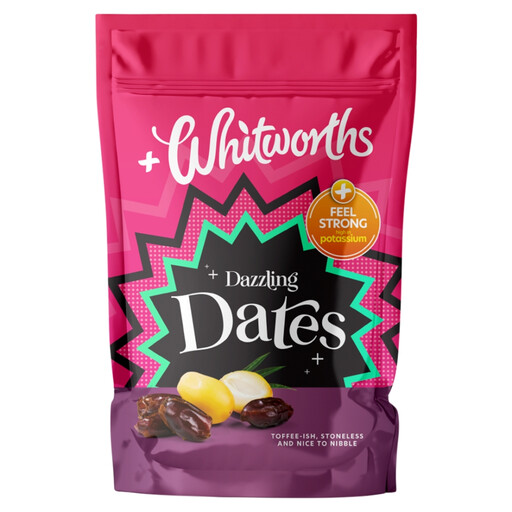
Dates are an option to portion into a campsite meal. This is a 300g pack; check its fat and sugars per serving, ingredients and instructions for storage after opening.
 No image available
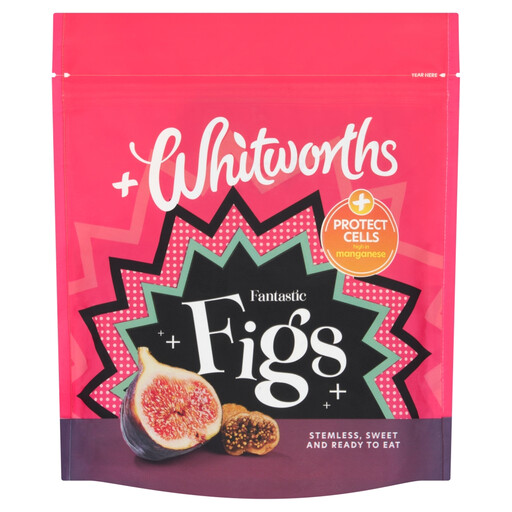
Consider figs if you want a different fruit for a campsite meal. The pack is 175g; compare its nutrition panel and check the ingredient and allergen statements before packing it.
 No image available
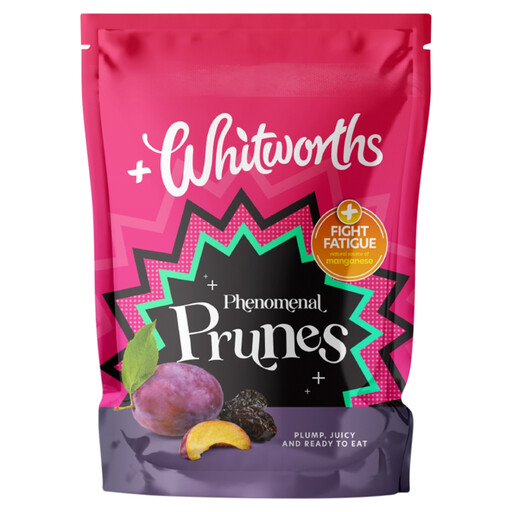
This 190g prune pack offers another fruit to compare with dates or figs. Check its fat and sugars per serving, and read the current ingredient and allergen statements if sulphites are a concern.
 No image available
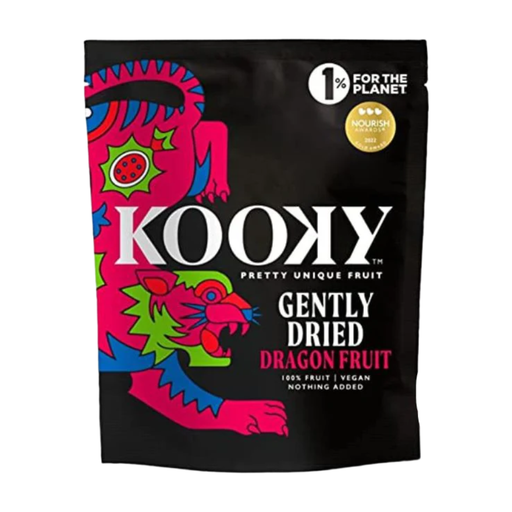
The 20g pack may suit a single planned use. If a precise fat comparison matters to you, check the numerical value on the pack’s nutrition label before choosing it.
 No image available
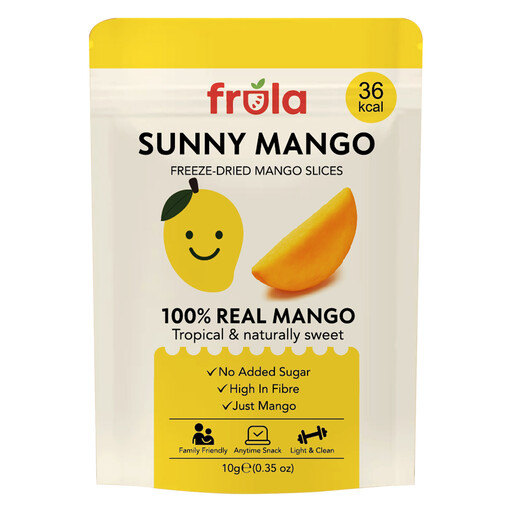
This freeze-dried mango comes in a 10g pack, so check whether that amount fits your intended meal or snack. Compare its nutrition figures on the same per-100g basis as larger packs.
Not necessarily. A reduced-fat claim describes a comparison, while the nutrition panel lets you check the fat in the product itself. For festival food, compare fat per 100g and per serving, then inspect any added ingredients.
The NHS says 30g of dried fruit counts as one 5 A Day portion and advises having it at mealtimes rather than as a between-meal snack to reduce tooth-decay risk. Use the pack’s serving information to plan the amount for your campsite meal.
Follow the instructions on the pack you buy. For example, a Tesco dried mixed-fruit product specifies a cool, dry place and an airtight container after opening; another product’s instructions may differ.
Yes, particularly if sulphites are a concern for you. The Food Standards Agency says they are often used in dried fruit and notes a higher risk of reaction for people with asthma, so read the current pack’s ingredient and allergen statement before eating it.
Use it to compare options, but check the label on the pack you buy. Tesco notes that formulations can change, including ingredients, nutrition and allergens.